Vitamin C in Plant Based Foods
2,037 plant foods ranked by Vitamin C per 100 g. Search a food, pick a food group or keep whole foods only.
- 2,037 plant foods with vitamin C data
- Source: USDA FoodData Central
- Units: mg vitamin C per 100 g
- RDA: 75 mg/day (women) · 90 mg/day (men)
Top 50 of 651 whole foods (2,037 with the switch off), per 100 g unless marked.
| # | Group | ||
|---|---|---|---|
| 1 | Peppers, sweet, red, freeze-dried | Vegetable Products | |
| 2 |  Acerola, (west indian cherry), raw Acerola, (west indian cherry), raw | Fruits | |
| 3 | Chives, freeze-dried | Vegetable Products | |
| 4 | Spices, coriander leaf, dried | Spices and Herbs | |
| 5 | Peppers, hot chili, green, raw | Vegetables | |
| 6 |  Guavas, common, raw Guavas, common, raw | Fruits | |
| 7 | Jujube, Chinese, fresh, dried | Fruits | |
| 8 | Peppers, sweet, yellow, raw | Vegetables | |
| 9 |  Litchis, dried Litchis, dried | Fruits | |
| 10 |  Currants, european black, raw Currants, european black, raw | Fruits | |
| 11 | Peppers, sweet, green, sauteed | Vegetables | |
| 12 | Mango, Ataulfo, peeled, raw | Fruits | |
| 13 | Peppers, sweet, red, sauteed | Vegetables | |
| 14 | Kiwifruit, ZESPRI SunGold, raw | Fruits | |
| 15 |  Thyme, fresh Thyme, fresh | Spices and Herbs | |
| 16 | Peppers, bell, orange, raw | Vegetables | |
| 17 | Parsley, freeze-dried | Vegetable Products | |
| 18 |  Peppers, hot chili, red, raw Peppers, hot chili, red, raw | Vegetables | |
| 19 | Brussels sprouts, raw | Vegetables | |
| 20 | Peppers, bell, red, raw | Vegetables | |
| 21 | Drumstick pods, raw | Vegetables | |
| 22 | Peppers, bell, yellow, raw | Vegetables | |
| 23 |  Orange peel, raw Orange peel, raw | Fruits | |
| 24 | Pokeberry shoots, (poke), raw | Vegetables | |
| 25 |  Parsley, fresh Parsley, fresh | Vegetables | |
| 26 | Mustard spinach, (tendergreen), raw | Vegetables | |
| 27 | Lemon peel, raw | Fruits | |
| 28 | Peppers, poblano, seeded, raw | Vegetables | |
| 29 |  Peppers, sweet, red, raw Peppers, sweet, red, raw | Vegetables | |
| 30 | Spices, parsley, dried | Spices and Herbs | |
| 31 |  Peppers, jalapeno, raw Peppers, jalapeno, raw | Vegetables | |
| 32 | Leeks, (bulb and lower-leaf portion), freeze-dried | Vegetable Products | |
| 33 | Peppers, banana or Hungarian wax, seeded, raw | Vegetables | |
| 34 |  Vinespinach, (basella), raw Vinespinach, (basella), raw | Vegetables | |
| 35 | Peppers, bell, green, raw | Vegetables | |
| 36 | Taro, tahitian, raw | Vegetables | |
| 37 | Peppers, serrano, seeded, raw | Vegetables | |
| 38 |  Kale, raw Kale, raw | Vegetables | |
| 39 | Kale, raw | Vegetables | |
| 40 |  Broccoli, leaves, raw Broccoli, leaves, raw | Vegetables | |
| 41 |  Broccoli, flower clusters, raw Broccoli, flower clusters, raw | Vegetables | |
| 42 |  Broccoli, stalks, raw Broccoli, stalks, raw | Vegetables | |
| 43 |  Peppers, hungarian, raw Peppers, hungarian, raw | Vegetables | |
| 44 |  Kiwifruit, green, raw Kiwifruit, green, raw | Fruits | |
| 45 | Broccoli, raw | Vegetables | |
| 46 | Peppers, jalapeno, seeded, raw | Vegetables | |
| 47 | Collards, raw | Vegetables | |
| 48 |  Broccoli, raw Broccoli, raw | Vegetables | |
| 49 |  Cauliflower, green, raw Cauliflower, green, raw | Vegetables | |
| 50 | Balsam-pear (bitter gourd), leafy tips, raw | Vegetables |
Everyday foods rich in Vitamin C
Whole foods with their own page, per 100 g; spices and dried herbs left out.
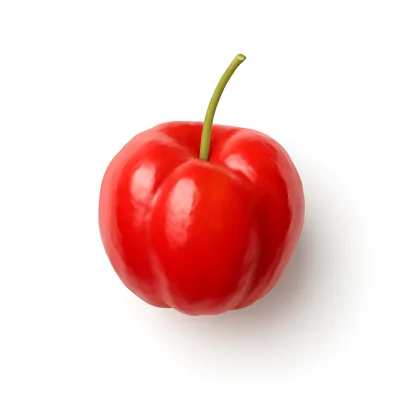 Acerola, (west indian cherry), raw
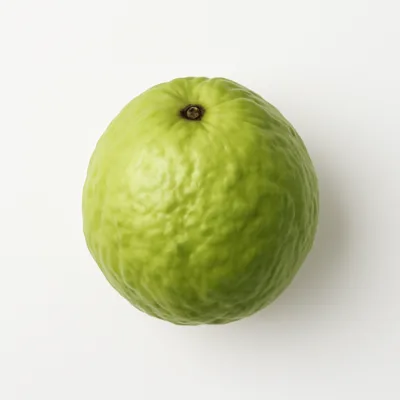 Guavas, common, raw
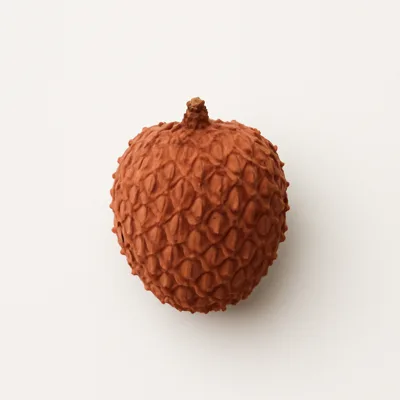 Litchis, dried
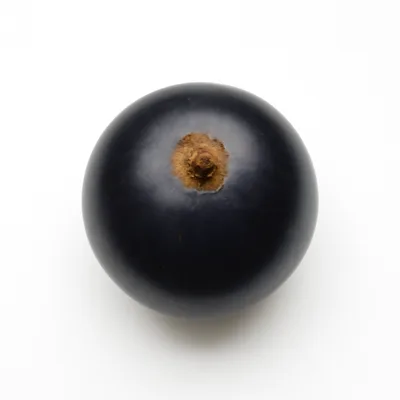 Currants, european black, raw
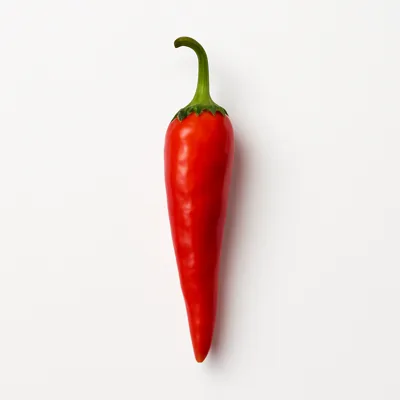 Peppers, hot chili, red, raw
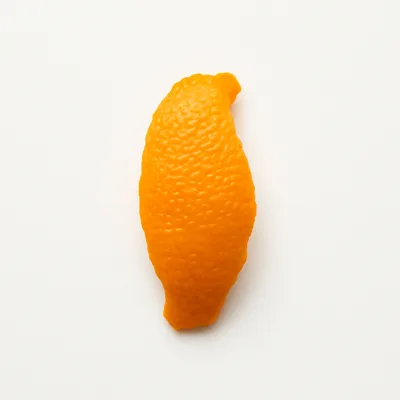 Orange peel, raw
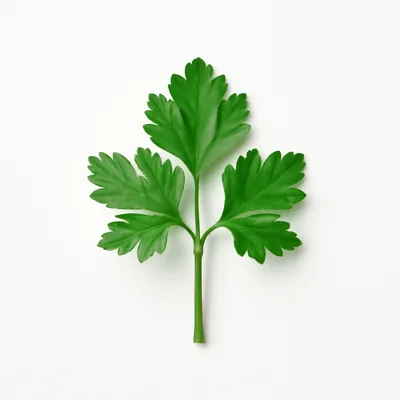 Parsley, fresh
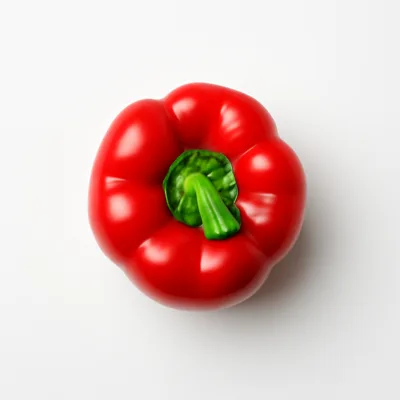 Peppers, sweet, red, raw
Good to know
Iron synergy tip
Vitamin C dramatically increases plant iron absorption (non-heme iron). Including a vitamin C-rich food at iron-rich meals (lemon juice on lentil soup, bell peppers with bean dishes) increases iron absorption by 2–6 times. This is the most practical nutrition synergy for plant based eaters. See the Iron Ranking Tool for plant based iron sources.
Questions
How much vitamin C do I need per day?
The RDA is 75 mg/day for women and 90 mg/day for men. One serving of bell peppers, kiwifruit, guava, or broccoli easily meets this. Many nutrition researchers suggest 200–500 mg/day optimises tissue saturation and maximises antioxidant protection. A whole-food plant based diet rich in vegetables and fruits typically provides well above the RDA.
Does vitamin C enhance iron absorption from plant foods?
Yes — vitamin C (ascorbic acid) converts non-heme iron from plant foods into the more readily absorbed ferrous form and also neutralises absorption inhibitors like phytate and polyphenols. Including a vitamin C-rich food at iron-rich plant meals can increase iron absorption by 2–6 times. A squeeze of lemon on lentil soup, bell peppers alongside bean dishes, or kiwifruit with an iron-rich grain bowl makes a meaningful practical difference.
Does cooking destroy vitamin C in plant foods?
Vitamin C is heat-sensitive and water-soluble, so cooking reduces it — by 15–25% with steaming or microwaving, and up to 50% with prolonged boiling. Boiling leaches vitamin C into cooking water, which is then often discarded. The solution: steam or microwave vegetables briefly, include some raw high-vitamin-C foods daily, and use vegetable cooking water in soups and sauces.
Related tools
Recipes with the most Vitamin C
-
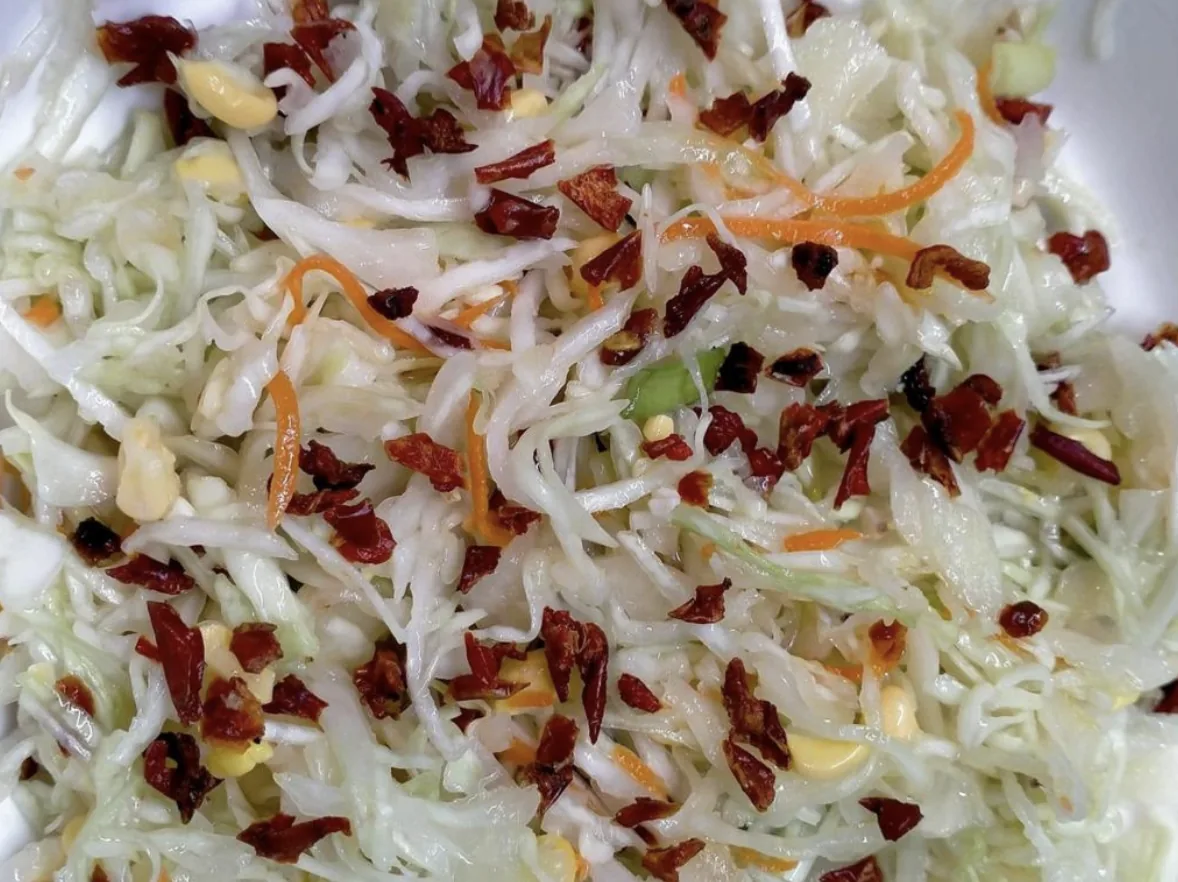 Russia Cabbage Salad with Paprika 10 min · 154 kcal per serving QuickGluten freeTree nut freeSoy free+3 more
 -
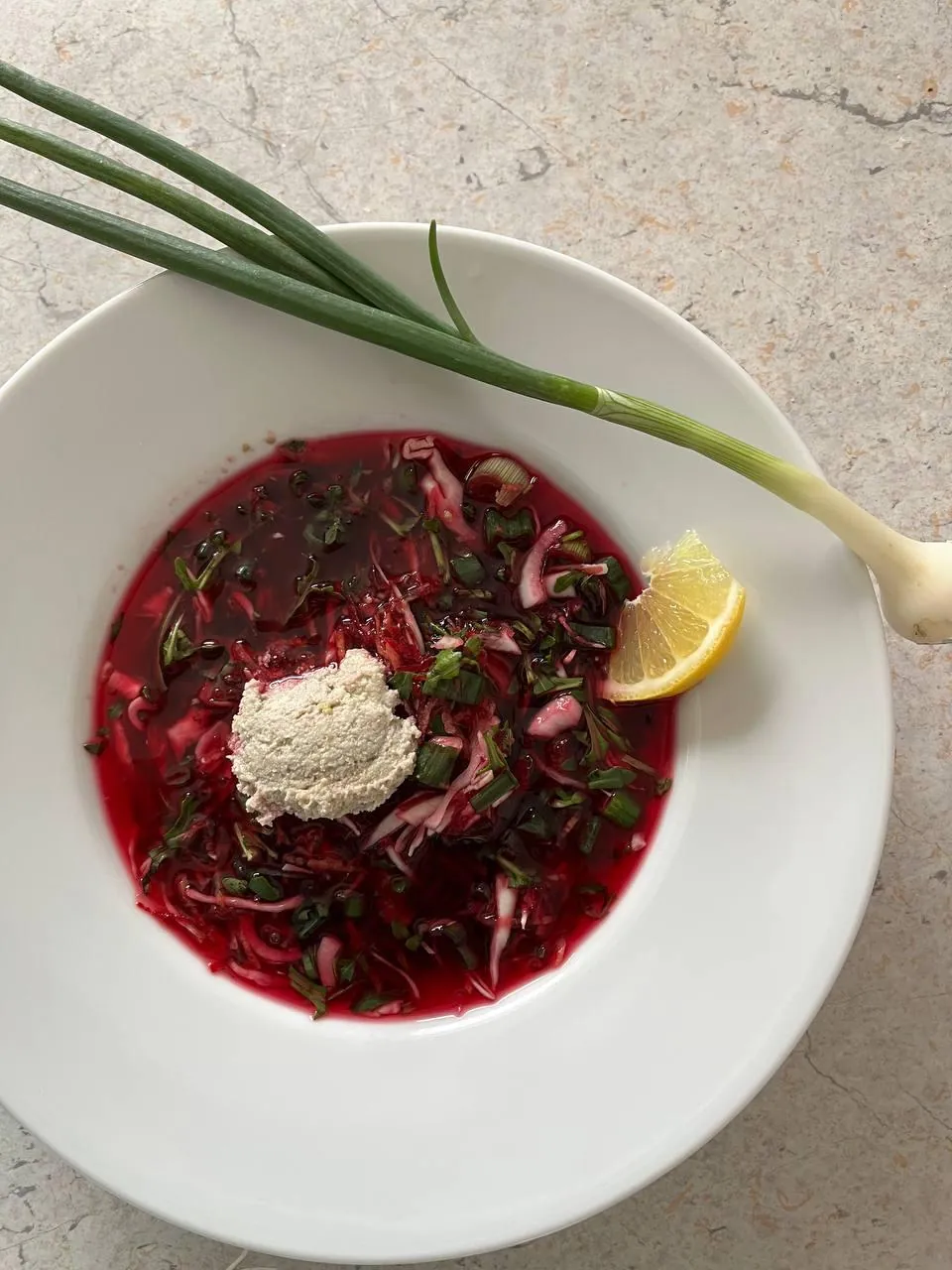 Ukrainian Raw Vegan Borscht 2 h 30 min · 434 kcal per serving Whole foodOil freeGluten freeTree nut free+4 more
 -
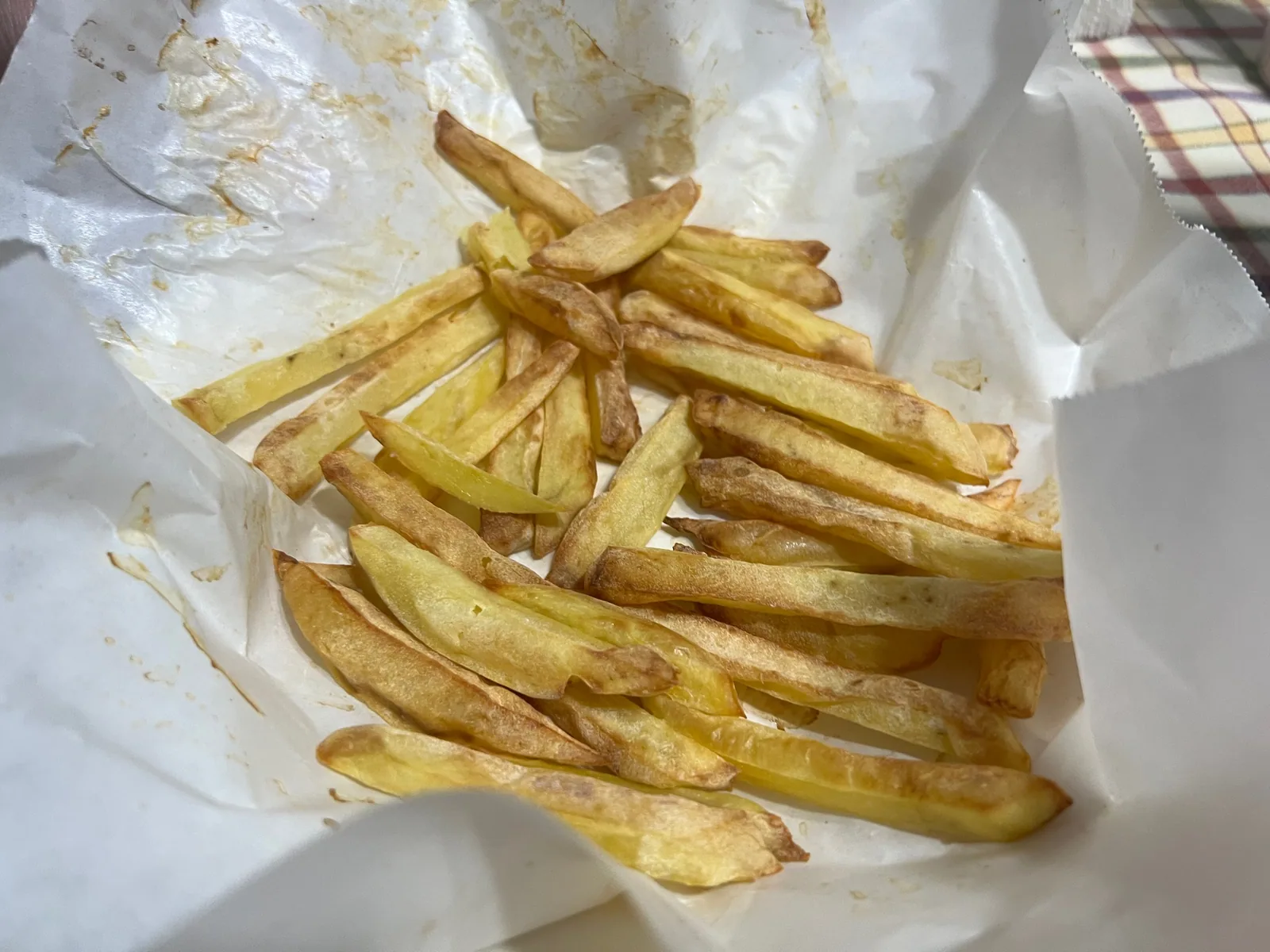 Oil-Free Air Fryer French Fries 25 min · 154 kcal per serving Whole foodLow fatOil freeQuick+6 more
 -
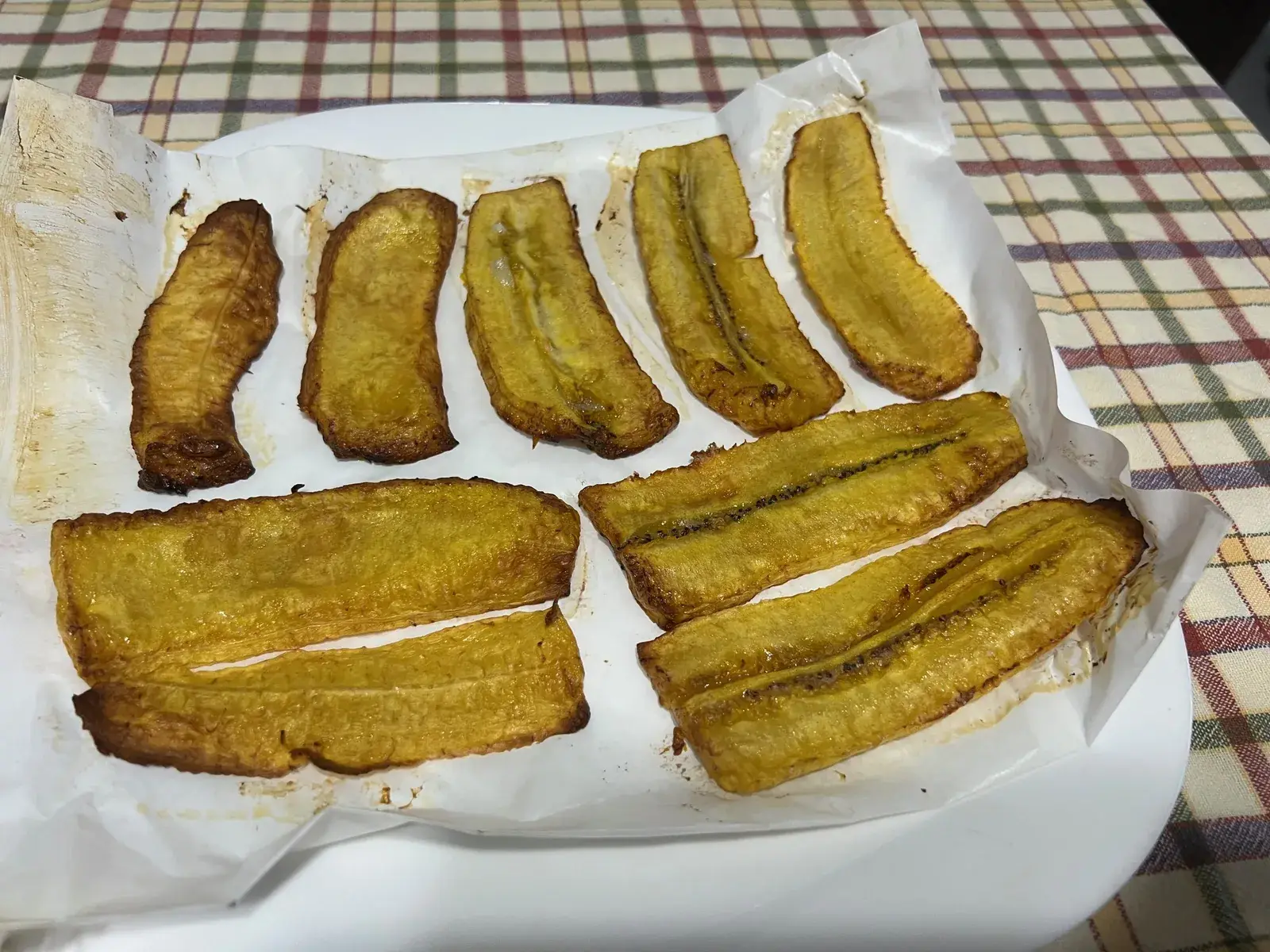 Oil-Free Air Fryer Sweet Plantains 20 min · 220 kcal per serving SOS freeWhole foodLow fatQuick+5 more