Carotenoids in Plant Based Foods
1,562 plant foods ranked by carotenoids per 100 g. Search a food, pick a food group or keep whole foods only.
- 1,562 plant foods with carotenoid data
- Source: USDA FoodData Central
- Updated: 2022 — 5 carotenoids measured
Top 50 of 402 whole foods (1,562 with the switch off), per 100 g unless marked.
| # | Group | |||||||
|---|---|---|---|---|---|---|---|---|
| 1 | Peppers, sweet, red, freeze-dried | Vegetable Products | 55,621 | 6,931 | 0 | 5,799 | 0 | |
| 2 | Carrot, dehydrated | Vegetable Products | 49,259 | 14,251 | 3 | 1,051 | 0 | |
| 3 |  Spices, paprika Spices, paprika | Spices and Herbs | 51,887 | 595 | 0 | 18,944 | 6,186 | |
| 4 | Spices, pepper, red or cayenne | Spices and Herbs | 41,249 | 0 | 0 | 13,157 | 6,252 | |
| 5 | Grape leaves, raw | Vegetables | 18,579 | 629 | 0 | 1,747 | 9 | |
| 6 | Peppers, hot chile, sun-dried | Vegetable Products | 22,435 | 994 | 0 | 5,494 | 1,103 | |
| 7 | Sweet potato, cooked, baked in skin, flesh, without salt | Vegetables | 11,552 | 43 | 0 | 0 | 0 | |
| 8 |  Sweet potato, raw, unprepared (Includes foods for USDA's Food Distribution Program) Sweet potato, raw, unprepared (Includes foods for USDA's Food Distribution Program) | Vegetables | 8,516 | 7 | 0 | 0 | 0 | |
| 9 |  Carrots, raw Carrots, raw | Vegetables | 12,019 | 3,477 | 1 | 256 | 0 | |
| 10 |  Turnip greens, raw Turnip greens, raw | Vegetables | 19,777 | 0 | 0 | 12,825 | 0 | |
| 11 |  Dandelion greens, raw Dandelion greens, raw | Vegetables | 19,948 | 363 | 0 | 13,610 | 121 | |
| 12 |  Spinach, raw Spinach, raw | Vegetables | 17,824 | 0 | 0 | 12,198 | 0 | |
| 13 | Lettuce, cos or romaine, raw | Vegetables | 7,540 | 0 | 0 | 2,310 | 0 | |
| 14 | Lettuce, cos or romaine, raw | Vegetables | 7,540 | 0 | 0 | 2,310 | 0 | |
| 15 |  Lettuce, cos or romaine, raw Lettuce, cos or romaine, raw | Vegetables | 7,538 | 0 | 0 | 2,312 | 0 | |
| 16 | Sweet Potatoes, french fried, frozen as packaged, salt added in processing | Vegetable Products | 5,212 | 0 | 0 | 8 | 0 | |
| 17 |  Parsley, fresh Parsley, fresh | Vegetables | 10,615 | 0 | 0 | 5,561 | 0 | |
| 18 | Spices, marjoram, dried | Spices and Herbs | 6,771 | 0 | 0 | 1,895 | 70 | |
| 19 | Squash, winter, butternut, cooked, baked, without salt | Vegetables | 8,816 | 1,130 | 0 | 0 | 3,116 | |
| 20 | Squash, winter, butternut, cooked, baked, with salt | Vegetables | 8,816 | 1,130 | 0 | 0 | 3,116 | |
| 21 |  Lettuce, red leaf, raw Lettuce, red leaf, raw | Vegetables | 6,219 | 0 | 0 | 1,724 | 0 | |
| 22 |  Lettuce, green leaf, raw Lettuce, green leaf, raw | Vegetables | 6,173 | 0 | 0 | 1,730 | 0 | |
| 23 |  Squash, winter, butternut, raw Squash, winter, butternut, raw | Vegetables | 8,531 | 834 | 0 | 0 | 3,471 | |
| 24 |  Cress, garden, raw Cress, garden, raw | Vegetables | 16,650 | 0 | 0 | 12,500 | 0 | |
| 25 |  Coriander (cilantro) leaves, raw Coriander (cilantro) leaves, raw | Vegetables | 5,033 | 36 | 0 | 865 | 202 | |
| 26 |  Beet greens, raw Beet greens, raw | Vegetables | 5,300 | 3 | 0 | 1,503 | 0 | |
| 27 | Spinach, mature | Vegetables | 11,597 | 0 | 0 | 7,918 | 10 | |
| 28 | Spinach, mature | Vegetables | 11,596 | 0 | 0 | 7,918 | 10 | |
| 29 |  Chard, swiss, raw Chard, swiss, raw | Vegetables | 14,692 | 45 | 0 | 11,000 | 0 | |
| 30 | Squash, winter, hubbard, baked, without salt | Vegetables | 4,465 | 885 | 0 | 0 | 0 | |
| 31 | Squash, winter, hubbard, baked, with salt | Vegetables | 4,465 | 885 | 0 | 0 | 0 | |
| 32 | Spices, sage, ground | Spices and Herbs | 5,489 | 0 | 0 | 1,895 | 109 | |
| 33 | Chicory greens, raw | Vegetables | 13,730 | 0 | 0 | 10,300 | 0 | |
| 34 | Spices, coriander leaf, dried | Spices and Herbs | 6,041 | 31 | 0 | 2,428 | 175 | |
| 35 |  Basil, fresh Basil, fresh | Spices and Herbs | 8,838 | 0 | 0 | 5,650 | 46 | |
| 36 | Seaweed, laver, raw | Vegetables | 3,121 | 0 | 0 | 0 | 0 | |
| 37 |  Pumpkin, raw Pumpkin, raw | Vegetables | 8,616 | 4,016 | 0 | 1,500 | 0 | |
| 38 |  Collards, raw Collards, raw | Vegetables | 7,356 | 14 | 0 | 4,323 | 28 | |
| 39 |  Taro leaves, raw Taro leaves, raw | Vegetables | 4,827 | 0 | 0 | 1,932 | 0 | |
| 40 |  Kale, raw Kale, raw | Vegetables | 9,161 | 0 | 0 | 6,261 | 27 | |
| 41 | Kale, raw | Vegetables | 9,157 | 0 | 0 | 6,260 | 27 | |
| 42 |  Thyme, fresh Thyme, fresh | Spices and Herbs | 2,851 | – | – | – | – | |
| 43 | Grape leaves, canned | Vegetables | 4,954 | 629 | 0 | 1,487 | 0 | |
| 44 | Squash, winter, all varieties, cooked, baked, with salt | Vegetables | 4,890 | 682 | 0 | 1,415 | 0 | |
| 45 | Squash, winter, all varieties, cooked, baked, without salt | Vegetables | 4,890 | 682 | 0 | 1,415 | 0 | |
| 46 | Melons, cantaloupe, raw | Fruits | 2,812 | 0 | 0 | 32 | 0 | |
| 47 | Melons, cantaloupe, raw | Fruits | 2,812 | 0 | 0 | 32 | 0 | |
| 48 | Broccoli raab, cooked | Vegetables | 4,403 | 0 | 0 | 1,683 | 0 | |
| 49 | Cabbage, chinese (pak-choi), raw | Vegetables | 2,722 | 1 | 0 | 40 | 0 | |
| 50 |  Chives, raw Chives, raw | Vegetables | 2,935 | 0 | 0 | 323 | 0 |
Everyday foods rich in carotenoids
Whole foods with their own page, per 100 g; spices and dried herbs left out.
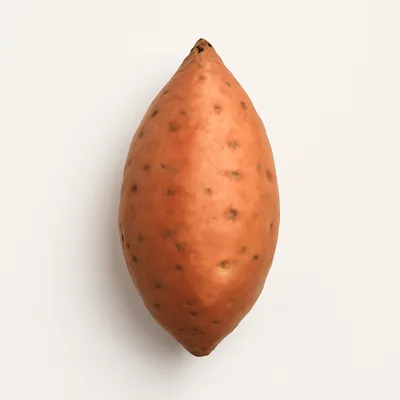 Sweet potato, raw, unprepared
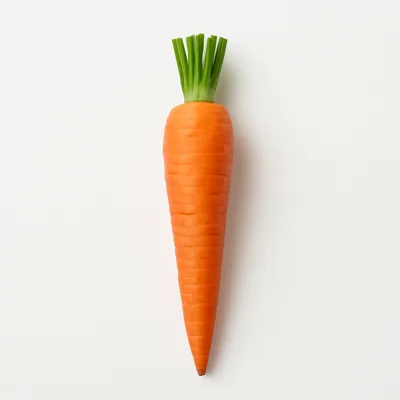 Carrots, raw
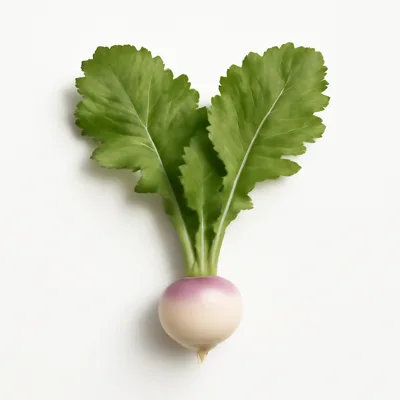 Turnip greens, raw
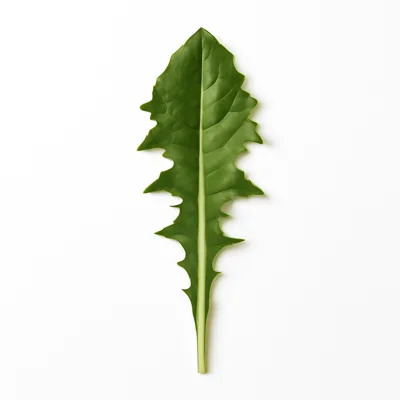 Dandelion greens, raw
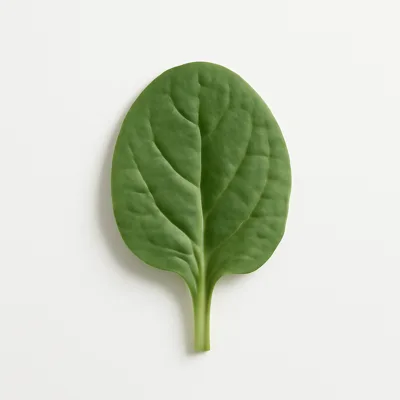 Spinach, raw
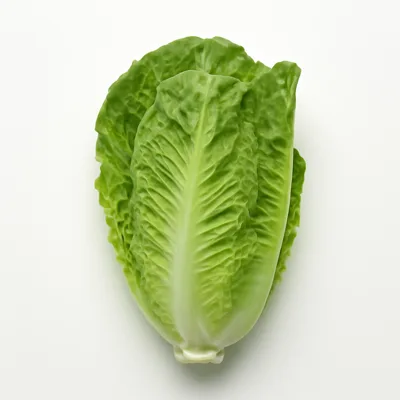 Lettuce, cos or romaine, raw
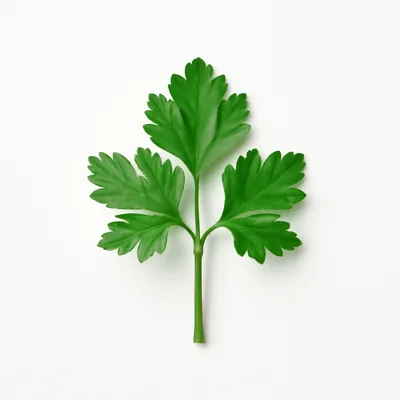 Parsley, fresh
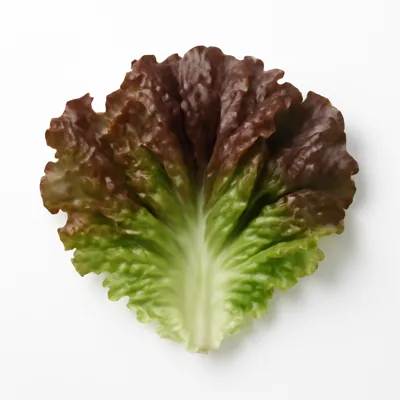 Lettuce, red leaf, raw
Good to know
Carotenoids in context
Carotenoids are fat-soluble pigments in plant foods. Provitamin A carotenoids (beta-carotene, alpha-carotene, beta-cryptoxanthin) are converted to vitamin A in the body. Lycopene and lutein+zeaxanthin have distinct antioxidant and eye-health roles. Consuming carotenoid-rich foods with fat improves absorption.
Questions
What is the difference between carotenoids and vitamin A?
Provitamin A carotenoids (beta-carotene, alpha-carotene, beta-cryptoxanthin) are converted to vitamin A (retinol) in the body. Lycopene and lutein+zeaxanthin are not converted to vitamin A but have important antioxidant and eye-health roles. Plant based eaters rely exclusively on provitamin A carotenoids for their vitamin A needs.
What are the main dietary carotenoids?
The five main dietary carotenoids are: beta-carotene (provitamin A, in carrots, sweet potatoes, and orange vegetables), alpha-carotene (provitamin A), lycopene (red pigment in tomatoes and watermelon), lutein+zeaxanthin (eye health, in leafy greens and yellow corn), and beta-cryptoxanthin (provitamin A, in citrus and peppers). Each has distinct food sources and health roles.
Can you get enough vitamin A from plant based foods?
Yes — plant based eaters get vitamin A from provitamin A carotenoids (mainly beta-carotene), which the body converts to retinol as needed. The conversion efficiency varies — approximately 12 µg of dietary beta-carotene provides 1 µg retinol activity equivalent (RAE). Half a cup of cooked carrots or sweet potato provides well over the daily vitamin A requirement. A varied diet with orange, yellow, and dark green vegetables ensures adequate intake.
Does cooking increase carotenoid content?
Cooking breaks down plant cell walls and releases carotenoids from protein complexes, increasing bioavailability — especially when consumed with fat. Lycopene from cooked tomatoes is absorbed significantly better than from raw tomatoes. Beta-carotene from cooked carrots is also more bioavailable than from raw.
Do I need to eat fat with carotenoid-rich foods?
Yes — carotenoids are fat-soluble, meaning fat is needed for their absorption. Eating carotenoid-rich salads or vegetables with olive oil, avocado, nuts, or seeds significantly improves absorption. Studies show that a salad with fat-free dressing results in negligible carotenoid absorption compared to the same salad with a fat-containing dressing. The amount of fat needed is small — a teaspoon of olive oil or a few slices of avocado is sufficient.