Iron in Plant Based Foods
3,099 plant foods ranked by iron per 100 g. Search a food, pick a food group or keep whole foods only.
- 3,099 plant foods with iron data
- Source: USDA FoodData Central
- Units: mg iron per 100 g
- RDA: 8 mg/day (men) · 18 mg/day (premenopausal women)
Top 50 of 945 whole foods (3,099 with the switch off), per 100 g unless marked.
| # | Group | ||
|---|---|---|---|
| 1 | Spices, thyme, dried | Spices and Herbs | |
| 2 | Spices, basil, dried | Spices and Herbs | |
| 3 |  Spearmint, dried Spearmint, dried | Spices and Herbs | |
| 4 | Spices, marjoram, dried | Spices and Herbs | |
| 5 | Spices, cumin seed | Spices and Herbs | |
| 6 | Spices, turmeric, ground | Spices and Herbs | |
| 7 | Parsley, freeze-dried | Vegetable Products | |
| 8 | Spices, dill weed, dried | Spices and Herbs | |
| 9 | Spices, celery seed | Spices and Herbs | |
| 10 |  Spices, bay leaf Spices, bay leaf | Spices and Herbs | |
| 11 | Spices, coriander leaf, dried | Spices and Herbs | |
| 12 | Spices, savory, ground | Spices and Herbs | |
| 13 | Spices, anise seed | Spices and Herbs | |
| 14 | Spices, oregano, dried | Spices and Herbs | |
| 15 | Spices, fenugreek seed | Spices and Herbs | |
| 16 | Spices, tarragon, dried | Spices and Herbs | |
| 17 | Spices, chervil, dried | Spices and Herbs | |
| 18 | Spices, rosemary, dried | Spices and Herbs | |
| 19 | Seaweed, spirulina, dried | Vegetable Products | |
| 20 | Spices, sage, ground | Spices and Herbs | |
| 21 | Spices, parsley, dried | Spices and Herbs | |
| 22 | Seaweed, agar, dried | Vegetable Products | |
| 23 |  Spices, paprika Spices, paprika | Spices and Herbs | |
| 24 | Chives, freeze-dried | Vegetable Products | |
| 25 | Spices, ginger, ground | Spices and Herbs | |
| 26 | Spices, fennel seed | Spices and Herbs | |
| 27 | Rice bran, crude | Grains | |
| 28 |  Thyme, fresh Thyme, fresh | Spices and Herbs | |
| 29 | Spices, dill seed | Spices and Herbs | |
| 30 | Spices, coriander seed | Spices and Herbs | |
| 31 |  Spices, caraway seed Spices, caraway seed | Spices and Herbs | |
| 32 |  Soybeans, mature seeds, raw Soybeans, mature seeds, raw | Legumes | |
| 33 |  Seeds, sesame seeds, whole, roasted and toasted Seeds, sesame seeds, whole, roasted and toasted | Seeds | |
| 34 |  Seeds, sesame seeds, whole, dried Seeds, sesame seeds, whole, dried | Seeds | |
| 35 | Seeds, sesame meal, partially defatted | Seeds | |
| 36 | Spices, pepper, white | Spices and Herbs | |
| 37 | Sorghum bran, white, unenriched, dry, raw | Grains | |
| 38 |  Spices, cardamom Spices, cardamom | Spices and Herbs | |
| 39 | Spices, mace, ground | Spices and Herbs | |
| 40 | Winged beans, mature seeds, raw | Legumes | |
| 41 | Seeds, cottonseed meal, partially defatted (glandless) | Seeds | |
| 42 |  Mushrooms, morel, raw Mushrooms, morel, raw | Vegetables | |
| 43 |  Spearmint, fresh Spearmint, fresh | Spices and Herbs | |
| 44 | Spices, cloves, ground | Spices and Herbs | |
| 45 |  Spices, saffron Spices, saffron | Spices and Herbs | |
| 46 | Peppers, ancho, dried | Vegetable Products | |
| 47 | Mothbeans, mature seeds, raw | Legumes | |
| 48 |  Wheat bran, crude Wheat bran, crude | Grains | |
| 49 |  Beans, white, mature seeds, raw Beans, white, mature seeds, raw | Legumes | |
| 50 | Peppers, sweet, red, freeze-dried | Vegetable Products |
Everyday foods rich in iron
Whole foods with their own page, per 100 g; spices and dried herbs left out.
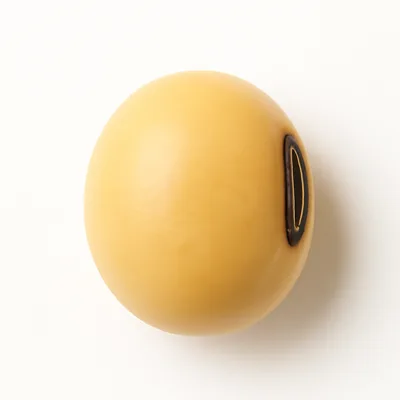 Soybeans, mature seeds, raw
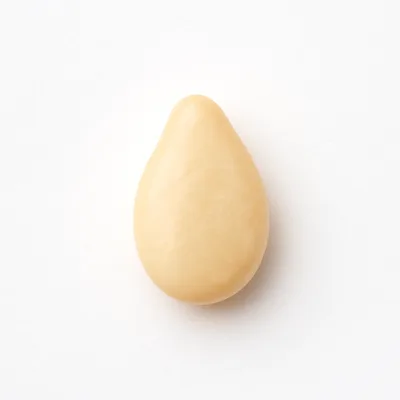 Seeds, sesame seeds, whole, roasted and toasted
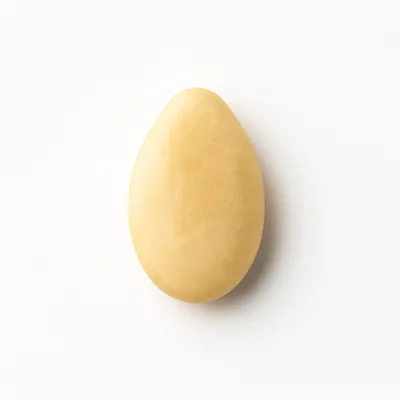 Seeds, sesame seeds, whole, dried
 Mushrooms, morel, raw
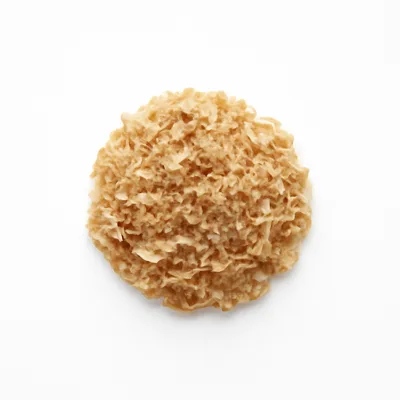 Wheat bran, crude
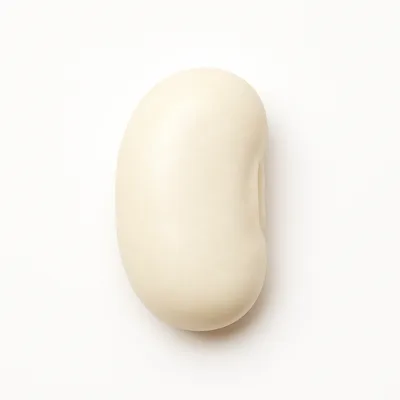 Beans, white, mature seeds, raw
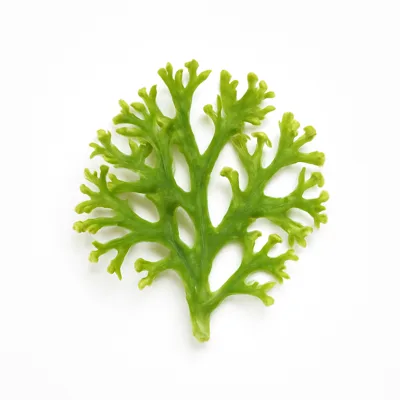 Seaweed, irishmoss, raw
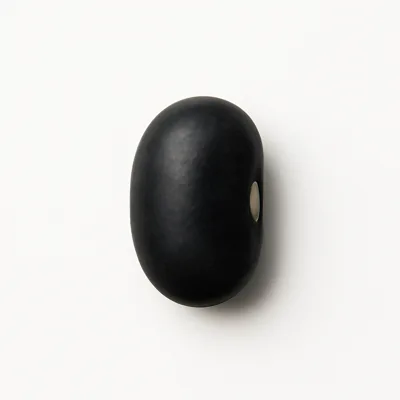 Beans, black turtle, mature seeds, raw
Good to know
Non-heme iron tip
All plant based iron is non-heme iron. Pair iron-rich foods with vitamin C sources (citrus, bell pepper, kiwi, broccoli) to increase absorption up to 6×. Avoid tea or coffee within 1 hour of iron-rich meals to prevent polyphenol-mediated inhibition of absorption.
Questions
How much iron do I need per day?
The RDA is 8 mg/day for adult men and post-menopausal women, 18 mg/day for premenopausal women, and 27 mg/day during pregnancy. For plant based eaters, the National Academies of Medicine recommend consuming 1.8× the standard RDA to account for lower bioavailability — roughly 14 mg/day for men and ~32 mg/day for premenopausal women. A cup of cooked lentils (6.6 mg), a handful of pumpkin seeds (~2.5 mg), and two slices of fortified bread (~3–4 mg) together with vitamin C-rich foods can meaningfully close these gaps.
What is non-heme iron and how does it differ from heme iron?
All iron in plant foods is non-heme iron. Heme iron comes exclusively from haemoglobin and myoglobin in meat, poultry, and fish, and is absorbed at 15–35%. Non-heme iron absorption ranges from just 2–20% and is highly dependent on the presence of absorption enhancers (especially vitamin C) and inhibitors (phytates, polyphenols, calcium). While the lower base absorption rate requires attention, it is also more tightly regulated — the body upregulates non-heme absorption when iron stores are low.
Can you get enough iron on a plant based diet?
Yes. Well-planned plant based diets reliably meet iron needs when emphasising legumes, seeds, and whole grains, and when pairing these foods with vitamin C. Research shows that vegans and vegetarians do not have higher rates of iron deficiency anaemia than omnivores when diet quality is similar. The body's adaptive response — upregulating non-heme absorption when stores are low — plays an important compensatory role. Premenopausal women with heavy periods are the highest-risk group and should monitor iron status through regular blood tests regardless of diet.
How can you increase iron absorption from plant foods?
The most evidence-based strategy: pair every iron-rich meal with a vitamin C source. As little as 25–75 mg of vitamin C (half a kiwi, a small bell pepper, a squeeze of lemon) can increase non-heme iron absorption 3–6×. Avoid tea, coffee, and calcium supplements within one hour of iron-rich meals — polyphenols and calcium are the two biggest inhibitors. Soaking, sprouting, or fermenting legumes and grains reduces phytate content significantly, improving effective iron delivery. Cooking in a cast iron pan also leaches small amounts of iron into food.
Is spinach a good source of iron?
Spinach is frequently cited for iron (~2.7 mg/100g raw) but it is actually a poor iron source due to its very high oxalate content. Oxalic acid binds iron into insoluble complexes, reducing absorption to roughly 1–2% — far below the already modest baseline for non-heme iron. Legumes, seeds, and tofu are dramatically better plant based iron sources. Cooked spinach has somewhat lower oxalate, but even then it underperforms compared to lentils or pumpkin seeds of the same weight.
What foods and drinks block iron absorption?
The main inhibitors of non-heme iron absorption are: phytic acid (found in whole grains, bran, and legumes), polyphenols in tea, coffee, red wine, and cocoa, calcium from dairy or supplements, and oxalic acid in spinach, chard, and beet greens. Avoid tea and coffee within one hour before or after iron-rich meals — even a single cup of tea with a meal can reduce iron absorption by 60–70%. Soaking and cooking legumes substantially reduces their phytate burden.
Related tools
Recipes with the most iron
-
 Vegan pancakes 689 kcal per serving Low fatOil freeTree nut freeSoy free+3 more
 -
 Italy Pasta with napoli style tomato sauce 543 kcal per serving Low fatOil freeTree nut freeSoy free+3 more
 -
 Lentils with rice and plantains 509 kcal per serving SOS freeWhole foodLow fatGluten free+4 more
 -
 Ukrainian Raw Vegan Borscht 2 h 30 min · 434 kcal per serving Whole foodOil freeGluten freeTree nut free+4 more