Potassium in Plant Based Foods
3,129 plant foods ranked by potassium per 100 g. Search a food, pick a food group or keep whole foods only.
- 3,129 plant foods with potassium data
- Source: USDA FoodData Central
- Units: mg potassium per 100 g
- AI: 2,600 mg/day (women) · 3,400 mg/day (men)
Top 50 of 950 whole foods (3,129 with the switch off), per 100 g unless marked.
| # | Group | ||
|---|---|---|---|
| 1 | Parsley, freeze-dried | Vegetable Products | |
| 2 | Spices, chervil, dried | Spices and Herbs | |
| 3 | Spices, coriander leaf, dried | Spices and Herbs | |
| 4 | Radishes, oriental, dried | Vegetable Products | |
| 5 | Tomatoes, sun-dried | Vegetable Products | |
| 6 | Spices, dill weed, dried | Spices and Herbs | |
| 7 | Peppers, sweet, red, freeze-dried | Vegetable Products | |
| 8 | Spices, tarragon, dried | Spices and Herbs | |
| 9 | Chives, freeze-dried | Vegetable Products | |
| 10 | Spices, parsley, dried | Spices and Herbs | |
| 11 | Spices, basil, dried | Spices and Herbs | |
| 12 | Carrot, dehydrated | Vegetable Products | |
| 13 | Peppers, ancho, dried | Vegetable Products | |
| 14 | Leeks, (bulb and lower-leaf portion), freeze-dried | Vegetable Products | |
| 15 |  Spices, paprika Spices, paprika | Spices and Herbs | |
| 16 | Peppers, pasilla, dried | Vegetable Products | |
| 17 | Seeds, sisymbrium sp. seeds, whole, dried | Seeds | |
| 18 | Spices, turmeric, ground | Spices and Herbs | |
| 19 | Spices, pepper, red or cayenne | Spices and Herbs | |
| 20 |  Spearmint, dried Spearmint, dried | Spices and Herbs | |
| 21 | Peppers, hot chile, sun-dried | Vegetable Products | |
| 22 | Seeds, cottonseed meal, partially defatted (glandless) | Seeds | |
| 23 | Apricots, dehydrated (low-moisture), sulfured, uncooked | Fruits | |
| 24 |  Hearts of palm, raw Hearts of palm, raw | Vegetables | |
| 25 |  Soybeans, mature seeds, raw Soybeans, mature seeds, raw | Legumes | |
| 26 |  Beans, white, mature seeds, raw Beans, white, mature seeds, raw | Legumes | |
| 27 | Spices, cumin seed | Spices and Herbs | |
| 28 |  Spices, saffron Spices, saffron | Spices and Herbs | |
| 29 |  Lima beans, large, mature seeds, raw Lima beans, large, mature seeds, raw | Legumes | |
| 30 | Spices, fennel seed | Spices and Herbs | |
| 31 | Shallots, freeze-dried | Vegetable Products | |
| 32 |  Onions, dehydrated flakes Onions, dehydrated flakes | Vegetable Products | |
| 33 | Beans, Dry, Tan (0% moisture) | Legumes | |
| 34 | Beans, Dry, Tan (0% moisture) | Legumes | |
| 35 | Kanpyo, (dried gourd strips) | Vegetable Products | |
| 36 | Beans, Dry, Brown (0% moisture) | Legumes | |
| 37 | Beans, Dry, Brown (0% moisture) | Legumes | |
| 38 |  Beans, small white, mature seeds, raw Beans, small white, mature seeds, raw | Legumes | |
| 39 | Beans, Dry, Black (0% moisture) | Legumes | |
| 40 | Beans, Dry, Small White (0% moisture) | Legumes | |
| 41 | Beans, Dry, Red (0% moisture) | Legumes | |
| 42 | Beans, Dry, Red (0% moisture) | Legumes | |
| 43 | Beans, Dry, Small White (0% moisture) | Legumes | |
| 44 | Beans, Dry, Black (0% moisture) | Legumes | |
| 45 | Mushrooms, shiitake, dried | Vegetable Products | |
| 46 | Spices, marjoram, dried | Spices and Herbs | |
| 47 | Beans, Dry, Small Red (0% moisture) | Legumes | |
| 48 | Beans, Dry, Great Northern (0% moisture) | Legumes | |
| 49 | Beans, Dry, Small Red (0% moisture) | Legumes | |
| 50 | Beans, Dry, Great Northern (0% moisture) | Legumes |
Everyday foods rich in potassium
Whole foods with their own page, per 100 g; spices and dried herbs left out.
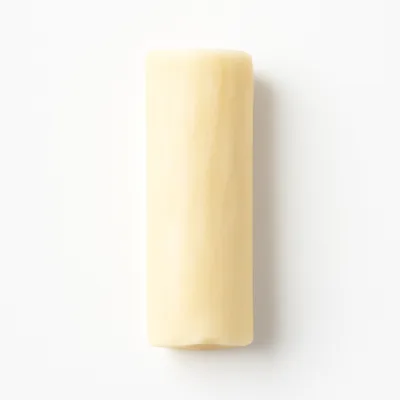 Hearts of palm, raw1,806 mg
 Soybeans, mature seeds, raw1,797 mg
 Beans, white, mature seeds, raw1,795 mg
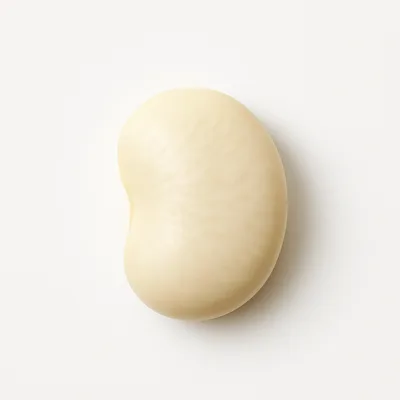 Lima beans, large, mature seeds, raw1,724 mg
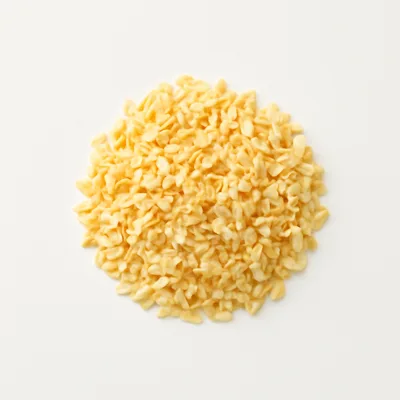 Onions, dehydrated flakes1,622 mg
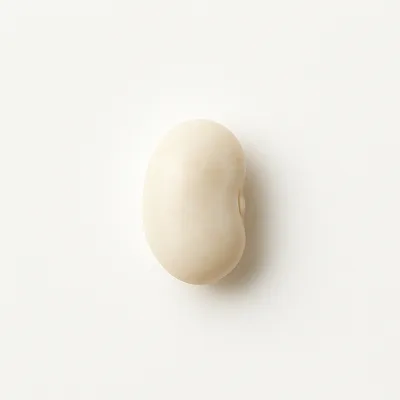 Beans, small white, mature seeds, raw1,542 mg
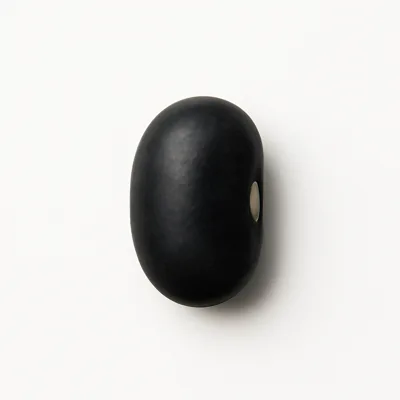 Beans, black turtle, mature seeds, raw1,500 mg
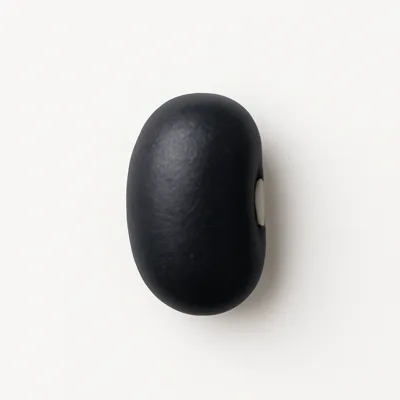 Beans, black, mature seeds, raw1,483 mg
Good to know
DASH diet connection
Potassium counterbalances sodium for blood pressure control. A whole-food plant based diet naturally delivers 4,000–6,000 mg/day, well above the 2,600–3,400 mg AI, making it one of the most potassium-rich dietary patterns available.
Questions
How much potassium do I need per day?
The Adequate Intake (AI) for potassium is 2,600 mg/day for women and 3,400 mg/day for men. Unlike many nutrients, there is no formal RDA — the AI reflects levels associated with lower blood pressure and cardiovascular risk. A plant based diet centred on legumes, vegetables, and fruits naturally provides 4,000–6,000 mg or more per day, making deficiency rare.
Is a plant based diet naturally high in potassium?
Yes — potassium is concentrated in plant foods. A whole-food plant based diet built around legumes, leafy greens, fruits, root vegetables, and whole grains typically provides 4,000–6,000 mg/day or more. This natural abundance is one mechanism behind the consistently lower blood pressure and cardiovascular disease rates observed in plant based populations across research literature.
Does cooking affect potassium in plant foods?
Boiling vegetables in large amounts of water causes potassium to leach into the cooking liquid, reducing content by 30–60%. Steaming, roasting, and microwaving preserve significantly more potassium. The best strategy for boiled vegetables is to use the cooking liquid in soups and stews — recovering much of the leached potassium. Legumes cooked in their soaking water or a minimal amount of fresh water retain more potassium.
Related tools
Recipes with the most potassium
-
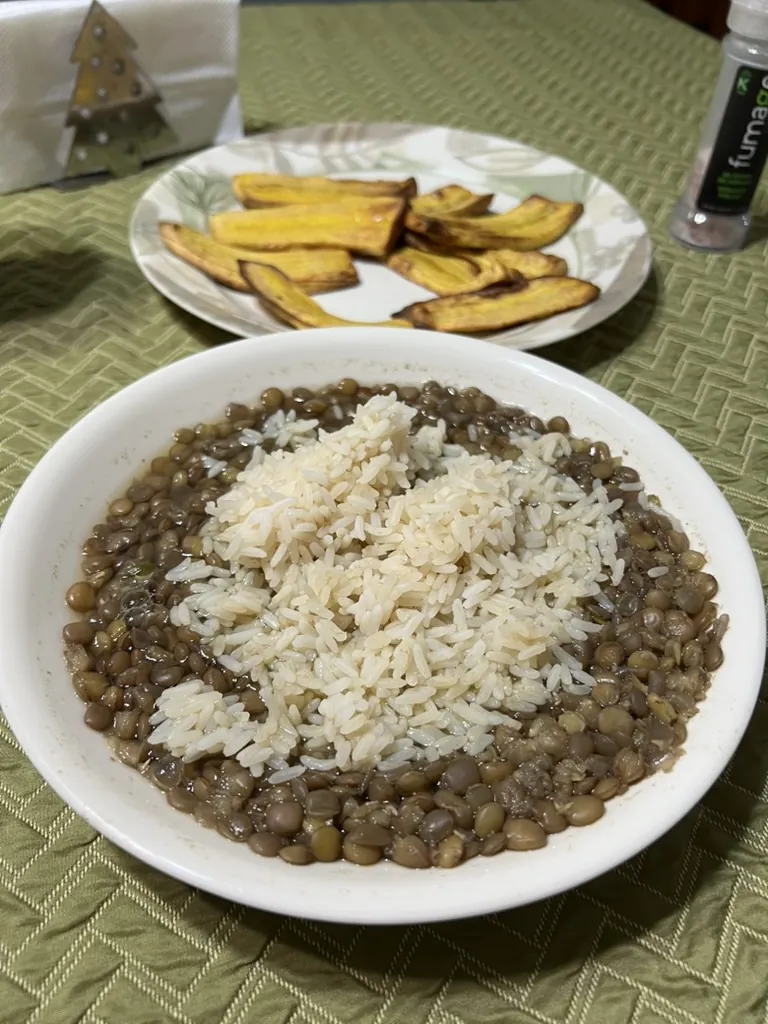 Lentils with rice and plantains 509 kcal per serving SOS freeWhole foodLow fatGluten free+4 more
 -
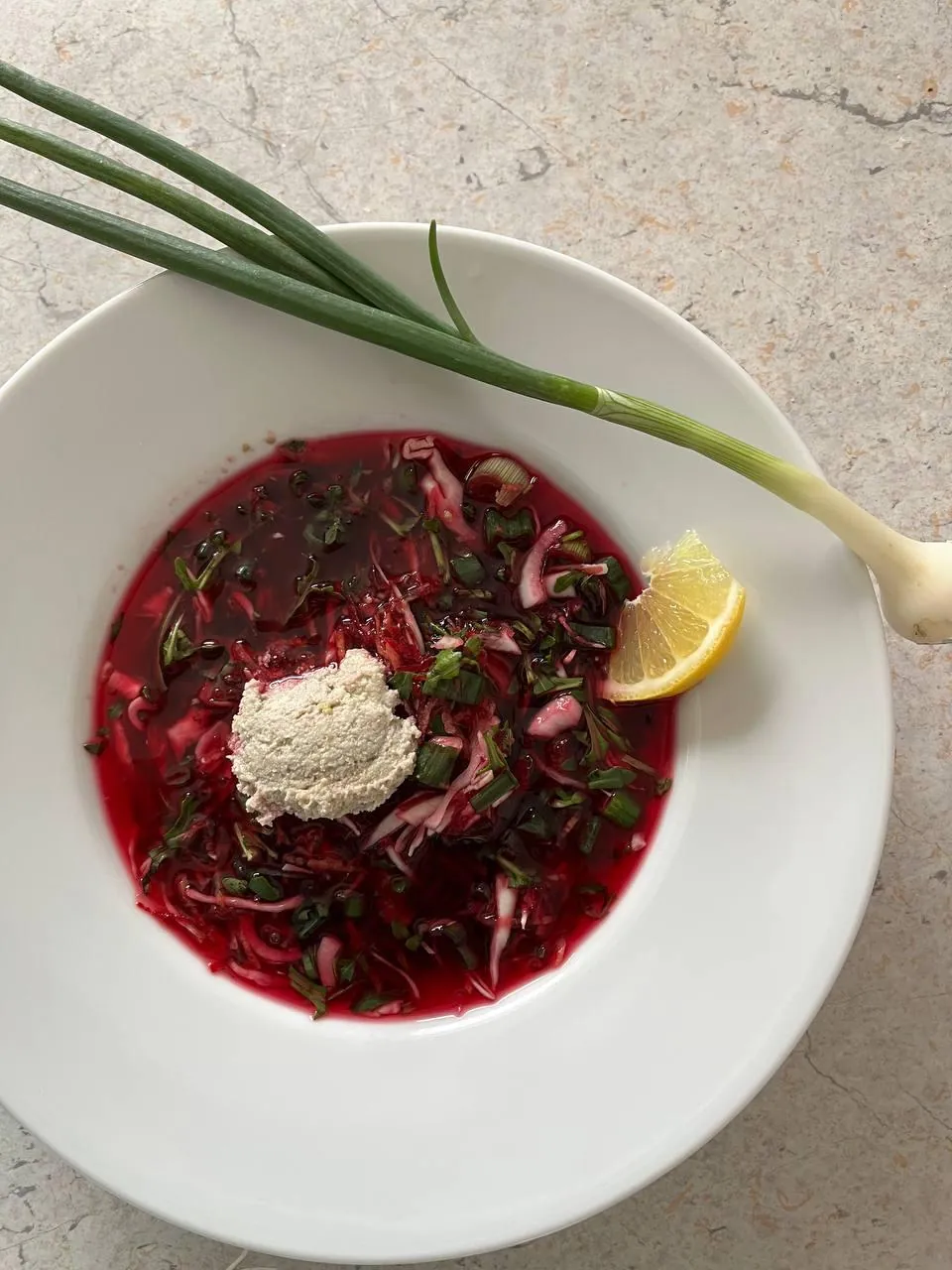 Ukrainian Raw Vegan Borscht 2 h 30 min · 434 kcal per serving Whole foodOil freeGluten freeTree nut free+4 more
 -
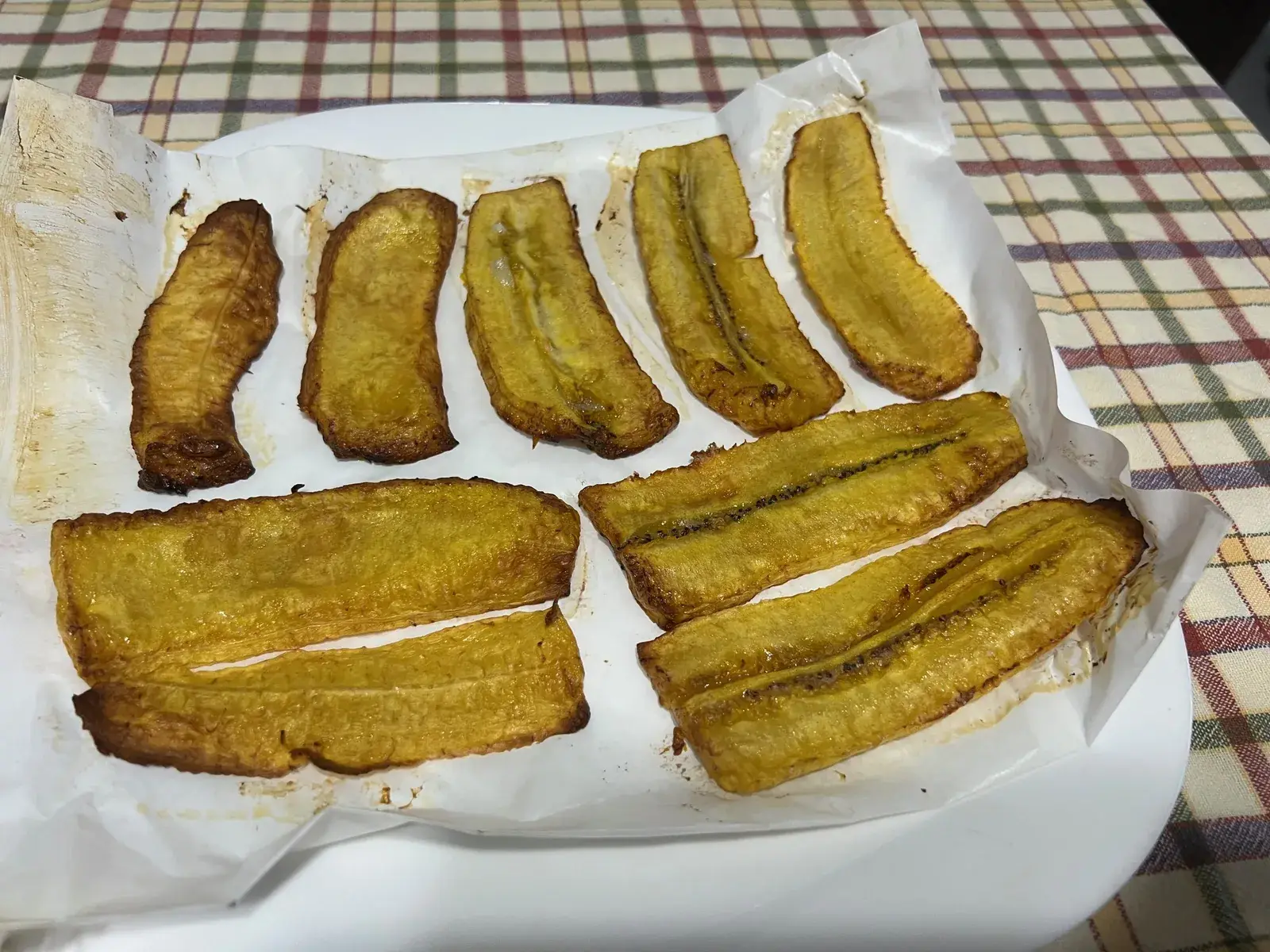 Oil-Free Air Fryer Sweet Plantains 20 min · 220 kcal per serving SOS freeWhole foodLow fatQuick+5 more
 -
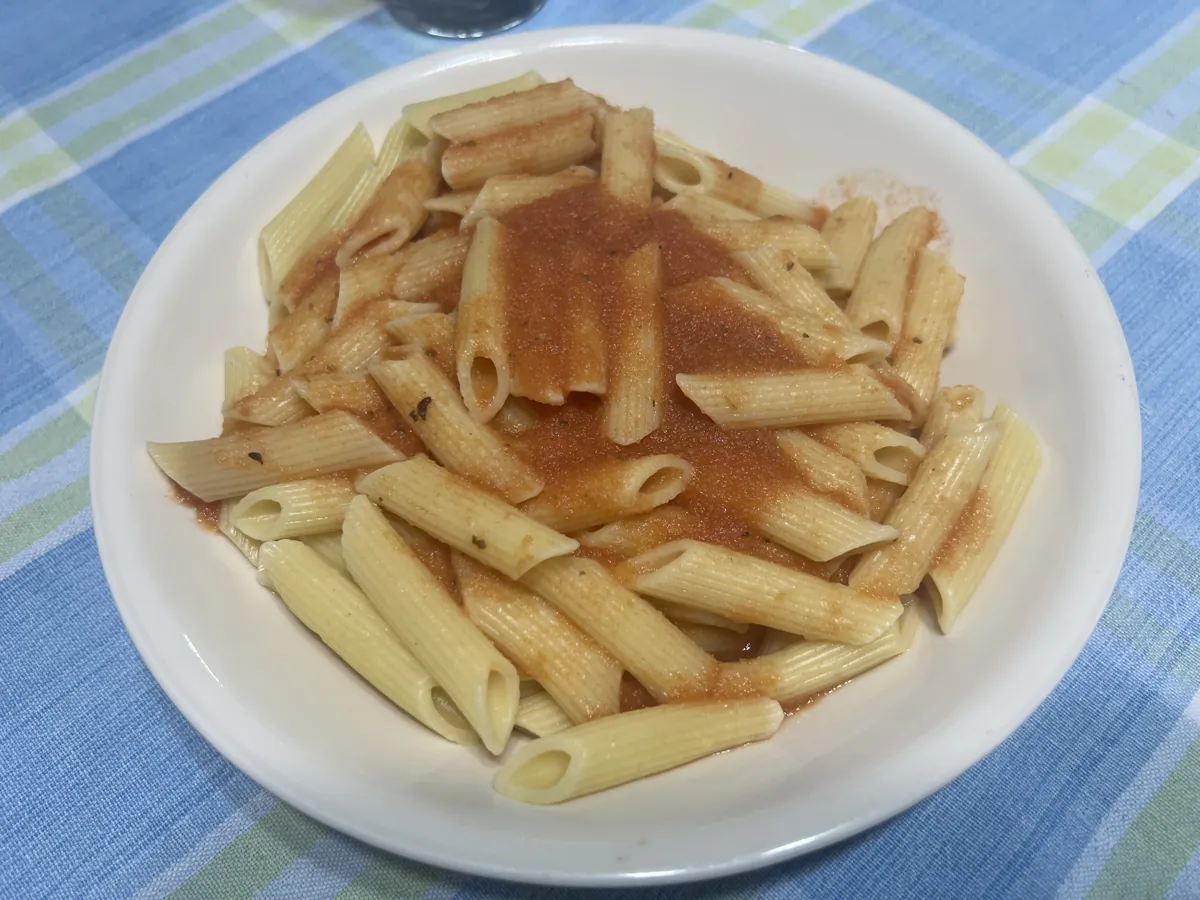 Italy Pasta with napoli style tomato sauce 543 kcal per serving Low fatOil freeTree nut freeSoy free+3 more