Calcium in Plant Based Foods
3,097 plant foods ranked by calcium per 100 g. Search a food, pick a food group or keep whole foods only.
- 3,097 plant foods with calcium data
- Source: USDA FoodData Central
- Units: mg calcium per 100 g
- RDA: 1,000 mg/day (adults under 50) · 1,200 mg/day (women over 50, men over 70)
Top 50 of 961 whole foods (3,097 with the switch off), per 100 g unless marked.
| # | Group | ||
|---|---|---|---|
| 1 | Spices, basil, dried | Spices and Herbs | |
| 2 | Tofu, dried-frozen (koyadofu), prepared with calcium sulfate | Legume Products | |
| 3 | Spices, savory, ground | Spices and Herbs | |
| 4 | Spices, marjoram, dried | Spices and Herbs | |
| 5 | Spices, thyme, dried | Spices and Herbs | |
| 6 | Spices, dill weed, dried | Spices and Herbs | |
| 7 | Spices, celery seed | Spices and Herbs | |
| 8 | Spices, sage, ground | Spices and Herbs | |
| 9 | Seeds, sisymbrium sp. seeds, whole, dried | Seeds | |
| 10 | Spices, oregano, dried | Spices and Herbs | |
| 11 | Spices, dill seed | Spices and Herbs | |
| 12 |  Spearmint, dried Spearmint, dried | Spices and Herbs | |
| 13 | Spices, poppy seed | Spices and Herbs | |
| 14 | Spices, chervil, dried | Spices and Herbs | |
| 15 | Spices, rosemary, dried | Spices and Herbs | |
| 16 | Spices, coriander leaf, dried | Spices and Herbs | |
| 17 | Tofu, salted and fermented (fuyu), prepared with calcium sulfate | Legume Products | |
| 18 | Spices, fennel seed | Spices and Herbs | |
| 19 | Spices, parsley, dried | Spices and Herbs | |
| 20 | Spices, tarragon, dried | Spices and Herbs | |
| 21 | Spices, cinnamon, ground | Spices and Herbs | |
| 22 |  Seeds, sesame seeds, whole, roasted and toasted Seeds, sesame seeds, whole, roasted and toasted | Seeds | |
| 23 |  Seeds, sesame seeds, whole, dried Seeds, sesame seeds, whole, dried | Seeds | |
| 24 | Tofu, fried, prepared with calcium sulfate | Legume Products | |
| 25 | Spices, cumin seed | Spices and Herbs | |
| 26 |  Spices, bay leaf Spices, bay leaf | Spices and Herbs | |
| 27 | Chives, freeze-dried | Vegetable Products | |
| 28 | Spices, coriander seed | Spices and Herbs | |
| 29 |  Spices, caraway seed Spices, caraway seed | Spices and Herbs | |
| 30 |  Tofu, raw, firm, prepared with calcium sulfate Tofu, raw, firm, prepared with calcium sulfate | Legume Products | |
| 31 | Spices, allspice, ground | Spices and Herbs | |
| 32 | Spices, anise seed | Spices and Herbs | |
| 33 | Spices, cloves, ground | Spices and Herbs | |
| 34 |  Seeds, chia seeds, dried Seeds, chia seeds, dried | Seeds | |
| 35 | Radishes, oriental, dried | Vegetable Products | |
| 36 | Seaweed, agar, dried | Vegetable Products | |
| 37 | Chia seeds, dry, raw | Grains | |
| 38 | Seeds, cottonseed meal, partially defatted (glandless) | Seeds | |
| 39 |  Spices, pepper, black Spices, pepper, black | Spices and Herbs | |
| 40 | Winged beans, mature seeds, raw | Legumes | |
| 41 | Fireweed, leaves, raw | Vegetables | |
| 42 |  Thyme, fresh Thyme, fresh | Spices and Herbs | |
| 43 | Vitasoy USA Nasoya, Lite Silken Tofu | Legume Products | |
| 44 |  Spices, cardamom Spices, cardamom | Spices and Herbs | |
| 45 |  Tofu, fried Tofu, fried | Legume Products | |
| 46 | Tofu, dried-frozen (koyadofu) | Legume Products | |
| 47 | Grape leaves, raw | Vegetables | |
| 48 | Cornmeal, yellow, self-rising, bolted, plain, enriched | Grains | |
| 49 | Cornmeal, white, self-rising, bolted, plain, enriched | Grains | |
| 50 | Leeks, (bulb and lower-leaf portion), freeze-dried | Vegetable Products |
Everyday foods rich in calcium
Whole foods with their own page, per 100 g; spices and dried herbs left out.
 Seeds, sesame seeds, whole, roasted and toasted
 Seeds, sesame seeds, whole, dried
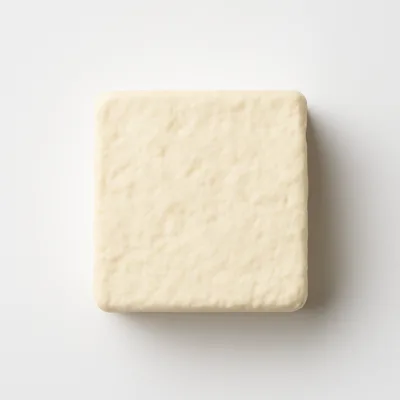 Tofu, raw, firm, prepared with calcium sulfate
 Seeds, chia seeds, dried
 Tofu, fried
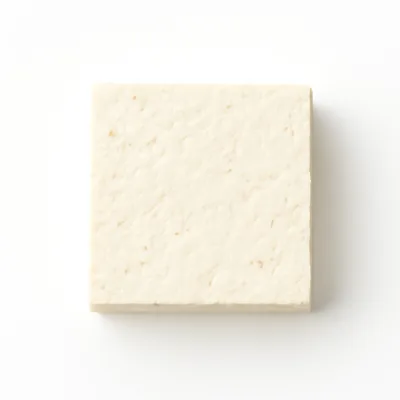 Tofu, raw, regular, prepared with calcium sulfate
 Soybeans, mature seeds, raw
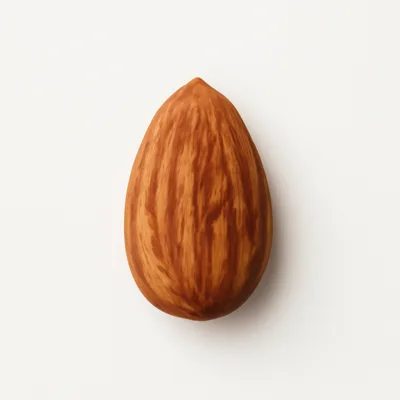 Nuts, almonds
Good to know
Bioavailability tip
Low-oxalate greens (kale, bok choy, broccoli) have 40–61% calcium absorption — among the best sources. High-oxalate spinach appears rich in calcium but is poorly absorbed due to oxalate binding. Pair calcium-rich foods with vitamin D for optimal absorption and bone health.
Questions
How much calcium do plant based eaters need daily?
The RDA is 1,000mg/day for adults under 50, and 1,200mg for women over 50 and men over 70 (when bone density maintenance becomes more critical). Meeting this through whole plant foods requires daily attention but is achievable: 2 cups fortified plant milk (~700mg), a serving of tofu (~250mg), and a side of kale (~135mg) reaches the target easily.
Can you get enough calcium on a plant based diet?
Absolutely — a daily diet including fortified plant milk, calcium-set tofu, dark leafy greens, tahini, and almonds easily meets the 1,000mg daily recommendation. Research shows plant based populations with diverse diets achieve excellent bone density and calcium status throughout life.
Do fortified plant milks provide enough calcium?
Yes — most commercial fortified plant milks contain 300–350mg of calcium per cup (240ml), comparable to conventional dairy. Soy milk and oat milk are commonly fortified. Importantly, shake the carton before pouring — calcium carbonate settles to the bottom and an unshaken carton may deliver significantly less than the label states.
How does calcium absorption differ between plant foods?
Absorption rate varies significantly. Calcium from low-oxalate greens like kale, bok choy, broccoli, and collard greens is absorbed at 40–61% — making these among the most effective calcium sources gram-for-gram. Calcium from fortified plant milks, calcium-set tofu, and chia seeds is also well absorbed. High-oxalate foods like spinach and beet greens contain calcium on paper but oxalate severely limits absorption to under 10%.
Does oxalate affect calcium absorption from plant foods?
Yes — oxalate binds calcium in the gut, forming insoluble calcium oxalate that cannot be absorbed. Spinach and Swiss chard are high in both calcium and oxalate, but their calcium is largely unavailable. Low-oxalate vegetables (kale, bok choy, broccoli, turnip greens) are far more effective sources per mg. Variety across different greens maximises total calcium uptake.
Does vitamin D affect calcium absorption from plant foods?
Yes — vitamin D is essential for active calcium absorption in the small intestine. Without adequate vitamin D, even abundant calcium intake is poorly utilised. Plant based eaters should ensure vitamin D through fortified foods, mushrooms exposed to sunlight (which generate vitamin D2), or supplementation — particularly in northern latitudes or during winter months.
Related tools
Recipes with the most calcium
-
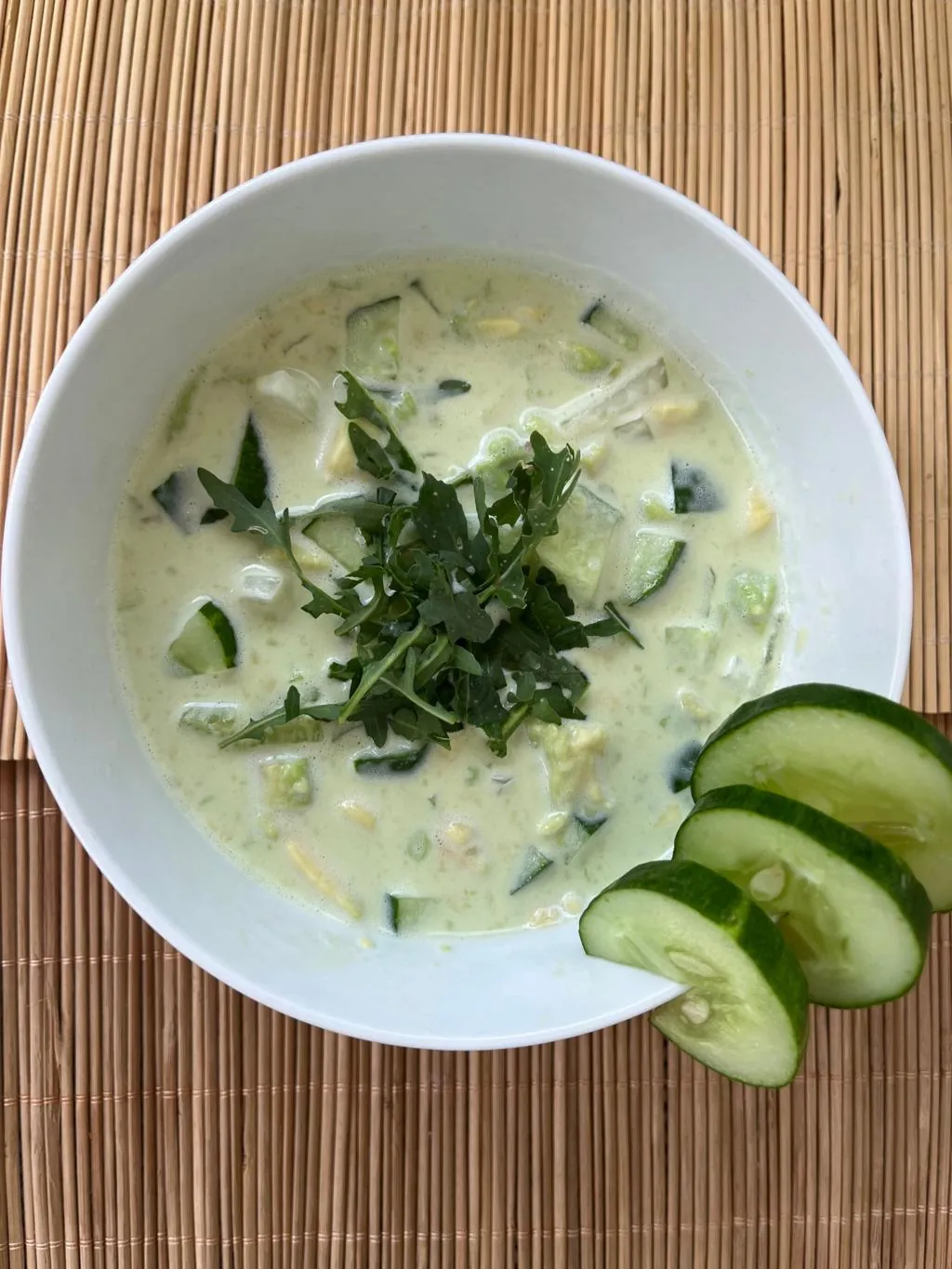 Cold Almond Soup 10 min · 201 kcal per serving SOS freeWhole foodQuickGluten free+3 more
 -
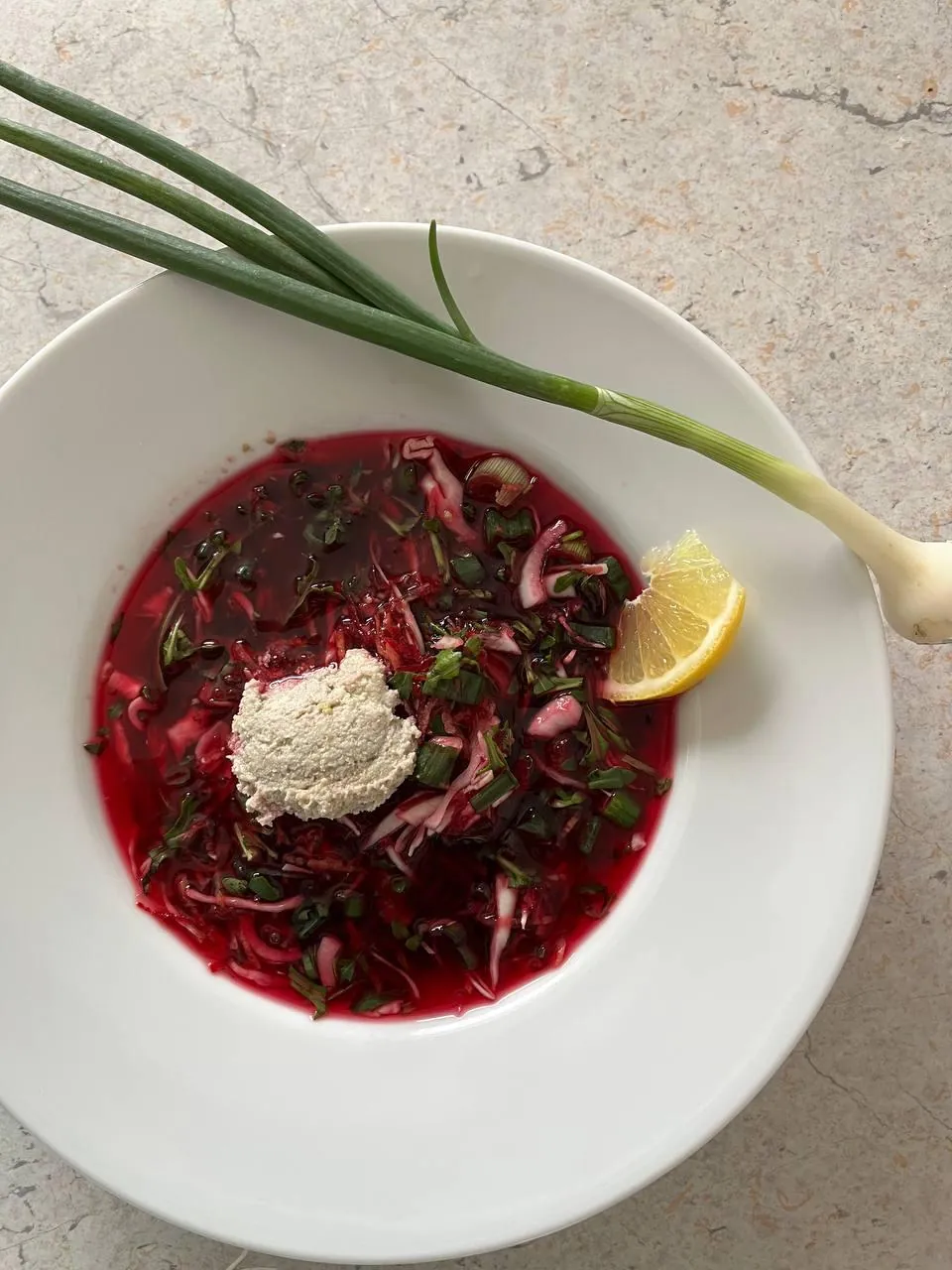 Ukrainian Raw Vegan Borscht 2 h 30 min · 434 kcal per serving Whole foodOil freeGluten freeTree nut free+4 more
 -
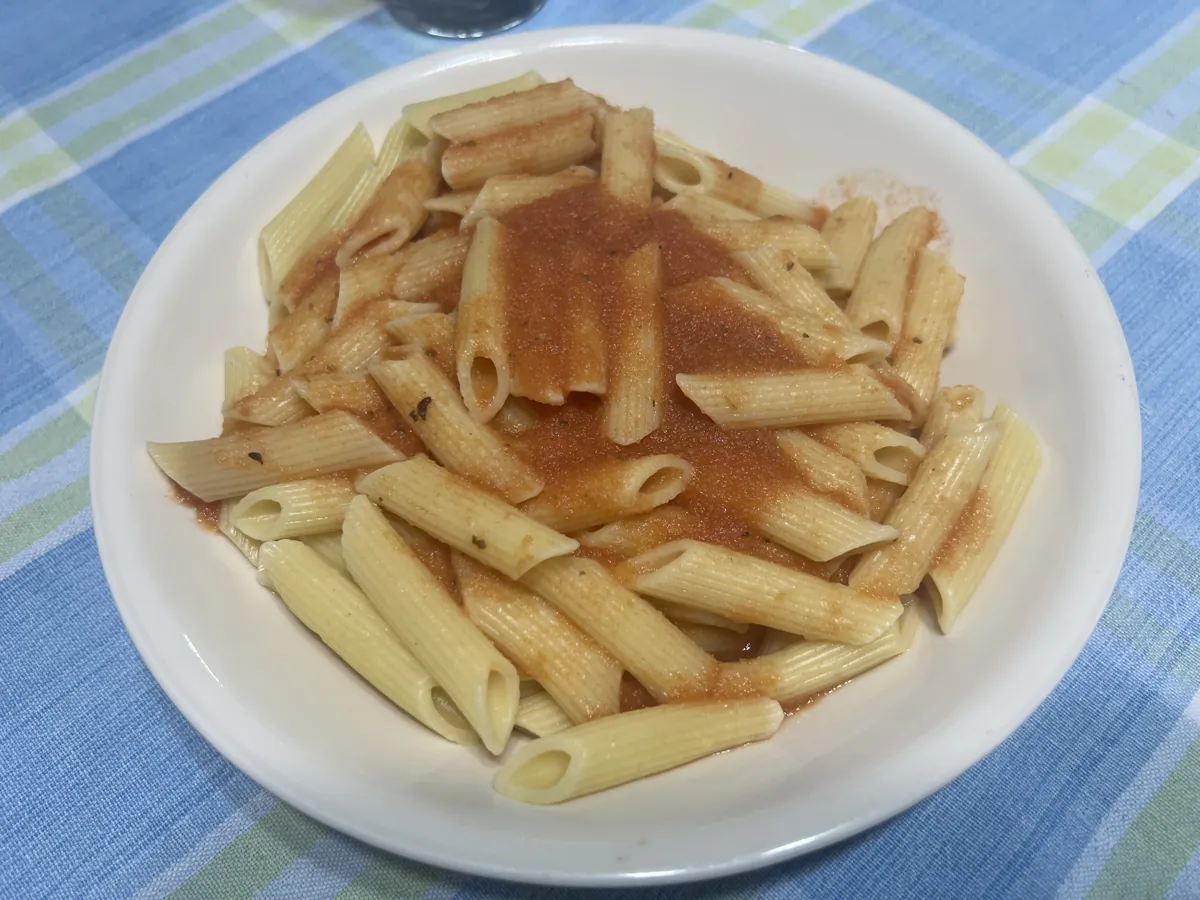 Italy Pasta with napoli style tomato sauce 543 kcal per serving Low fatOil freeTree nut freeSoy free+3 more
 -
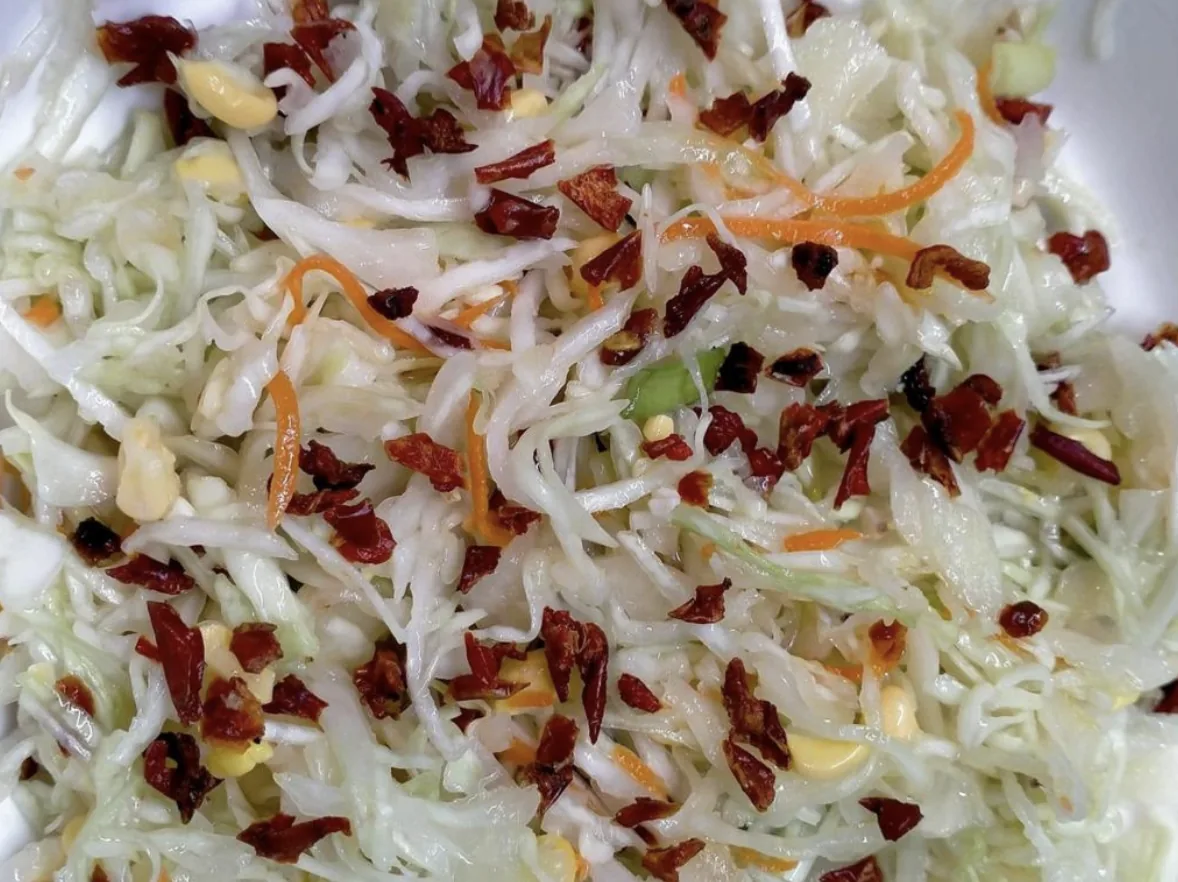 Russia Cabbage Salad with Paprika 10 min · 154 kcal per serving QuickGluten freeTree nut freeSoy free+3 more