Zinc in Plant Based Foods
3,023 plant foods ranked by zinc per 100 g. Search a food, pick a food group or keep whole foods only.
- 3,023 plant foods with zinc data
- Source: USDA FoodData Central
- Units: mg zinc per 100 g
- RDA: 11 mg/day (men) · 8 mg/day (women)
Top 50 of 928 whole foods (3,023 with the switch off), per 100 g unless marked.
| # | Group | ||
|---|---|---|---|
| 1 | Seeds, cottonseed meal, partially defatted (glandless) | Nut and Seed Products | |
| 2 | Wheat germ, crude | Cereal Grains and Pasta | |
| 3 | Seeds, pumpkin and squash seeds, whole, roasted, without salt | Nut and Seed Products | |
| 4 | Seeds, pumpkin and squash seeds, whole, roasted, with salt added | Nut and Seed Products | |
| 5 | Seeds, watermelon seed kernels, dried | Nut and Seed Products | |
| 6 | Seeds, sesame seed kernels, toasted, with salt added (decorticated) | Nut and Seed Products | |
| 7 | Seeds, sesame seed kernels, toasted, without salt added (decorticated) | Nut and Seed Products | |
| 8 | Seeds, sesame meal, partially defatted | Nut and Seed Products | |
| 9 | Seeds, hemp seed, hulled | Nut and Seed Products | |
| 10 |  Hyacinth beans, mature seeds, raw Hyacinth beans, mature seeds, raw | Legumes and Legume Products | |
| 11 | Spices, chervil, dried | Spices and Herbs | |
| 12 | Spices, poppy seed | Spices and Herbs | |
| 13 | Seeds, pumpkin and squash seed kernels, dried | Nut and Seed Products | |
| 14 |  Seeds, sesame seeds, whole, dried Seeds, sesame seeds, whole, dried | Nut and Seed Products | |
| 15 | Mushrooms, shiitake, dried | Vegetables and Vegetable Products | |
| 16 | Seeds, pumpkin and squash seed kernels, roasted, with salt added | Nut and Seed Products | |
| 17 | Seeds, pumpkin and squash seed kernels, roasted, without salt | Nut and Seed Products | |
| 18 | Pepeao, dried | Vegetables and Vegetable Products | |
| 19 |  Spices, cardamom Spices, cardamom | Spices and Herbs | |
| 20 |  Wheat bran, crude Wheat bran, crude | Cereal Grains and Pasta | |
| 21 |  Seeds, sesame seeds, whole, roasted and toasted Seeds, sesame seeds, whole, roasted and toasted | Nut and Seed Products | |
| 22 | Spices, basil, dried | Spices and Herbs | |
| 23 | Spices, celery seed | Spices and Herbs | |
| 24 | Seeds, sesame seed kernels, dried (decorticated) | Nut and Seed Products | |
| 25 |  Nuts, pine nuts, dried Nuts, pine nuts, dried | Nut and Seed Products | |
| 26 | Seeds, pumpkin seeds (pepitas), raw | Nut and Seed Products | |
| 27 | Spices, thyme, dried | Spices and Herbs | |
| 28 | Cowpeas, catjang, mature seeds, raw | Legumes and Legume Products | |
| 29 | Parsley, freeze-dried | Vegetables and Vegetable Products | |
| 30 | Spices, mustard seed, ground | Spices and Herbs | |
| 31 | Rice bran, crude | Cereal Grains and Pasta | |
| 32 | Seeds, sunflower seed kernels, dry roasted, with salt added | Nut and Seed Products | |
| 33 | Seeds, cottonseed kernels, roasted (glandless) | Nut and Seed Products | |
| 34 |  Wild rice, raw Wild rice, raw | Cereal Grains and Pasta | |
| 35 | Kanpyo, (dried gourd strips) | Vegetables and Vegetable Products | |
| 36 | Wild rice, dry, raw | Cereal Grains and Pasta | |
| 37 | Seaweed, agar, dried | Vegetables and Vegetable Products | |
| 38 |  Nuts, cashew nuts, raw Nuts, cashew nuts, raw | Nut and Seed Products | |
| 39 | Nuts, pine nuts, raw | Nut and Seed Products | |
| 40 | Nuts, cashew nuts, dry roasted, without salt added | Nut and Seed Products | |
| 41 | Nuts, cashew nuts, dry roasted, with salt added | Nut and Seed Products | |
| 42 | Seeds, sunflower seed, kernel, raw | Nut and Seed Products | |
| 43 | Chia seeds, dry, raw | Cereal Grains and Pasta | |
| 44 |  Spices, caraway seed Spices, caraway seed | Spices and Herbs | |
| 45 | Spices, parsley, dried | Spices and Herbs | |
| 46 | Spices, anise seed | Spices and Herbs | |
| 47 | Seeds, sunflower seed kernels, toasted, without salt | Nut and Seed Products | |
| 48 | Seeds, sunflower seed kernels, toasted, with salt added | Nut and Seed Products | |
| 49 | Seeds, sunflower seed kernels from shell, dry roasted, with salt added | Nut and Seed Products | |
| 50 | Seeds, sunflower seed kernels, dry roasted, with salt added | Nut and Seed Products |
Everyday foods rich in zinc
Whole foods with their own page, per 100 g; spices and dried herbs left out.
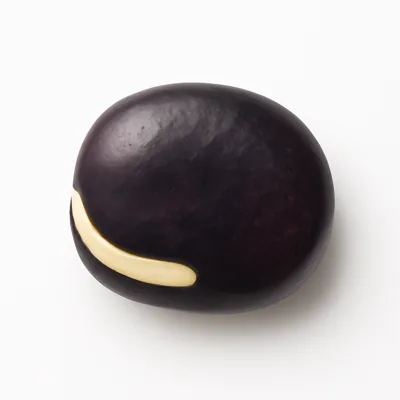 Hyacinth beans, mature seeds, raw
 Seeds, sesame seeds, whole, dried
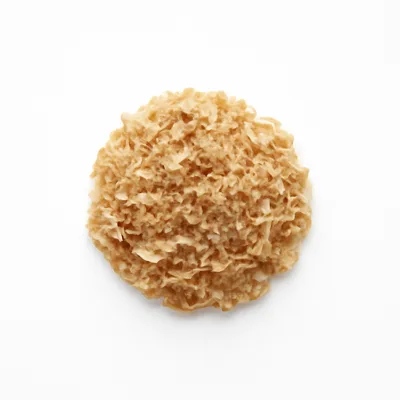 Wheat bran, crude
 Seeds, sesame seeds, whole, roasted and toasted
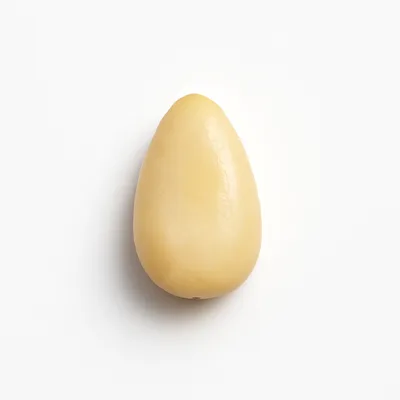 Nuts, pine nuts, dried
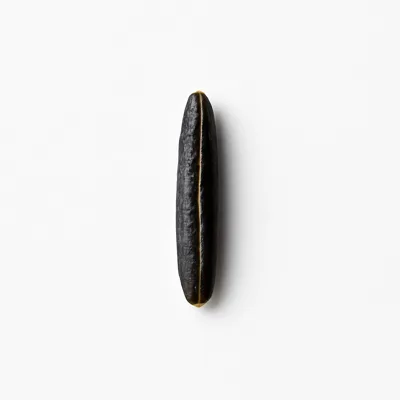 Wild rice, raw
 Nuts, cashew nuts, raw
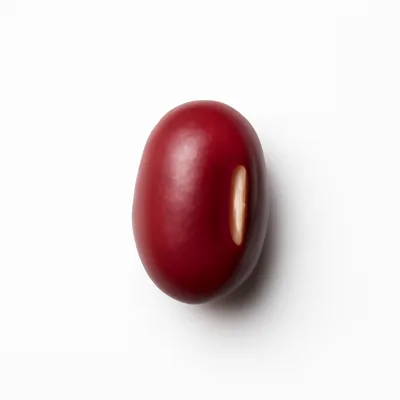 Beans, adzuki, mature seeds, raw
Good to know
Bioavailability tip
All plant based zinc is affected by phytate, which binds zinc and reduces absorption. Soak legumes and grains before cooking, sprout seeds and beans, and choose fermented options (sourdough) to significantly increase the zinc your body actually absorbs. Seeds are the single best plant based zinc source — pumpkin seeds and hemp seeds provide the highest zinc per serving.
Questions
How much zinc do I need per day?
The RDA is 11 mg/day for adult men and 8 mg/day for adult women. Pregnancy increases the RDA to 11 mg, breastfeeding to 12 mg. For plant based eaters, functional targets are often set higher (~16 mg for men, ~12 mg for women) to account for lower bioavailability. A combination of 2 tbsp hemp seeds (~2 mg zinc), a cup of cooked lentils (~3 mg), 30g pumpkin seeds (~2.5 mg), and 2 tbsp tahini (~1.4 mg) provides ~9 mg — covering the women's RDA.
Can you get enough zinc on a plant based diet?
Yes — with deliberate planning. Plant based zinc is achievable with the right foods and preparation techniques. The main challenge is phytate in whole grains and legumes, which binds zinc and reduces bioavailability — but soaking, sprouting, and fermenting these foods significantly improves zinc absorption. Plant based eaters should: eat legumes, seeds, and whole grains daily; soak and cook legumes from dried rather than using canned; choose sprouted breads and fermented foods; and consider periodic monitoring.
Do legumes provide enough zinc for plant based eaters?
Legumes are an important but incomplete zinc source on a plant based diet. Lentils provide ~3.3 mg/100g cooked (from dried), chickpeas ~3.4 mg/100g (dried/cooked), and black beans ~1.9 mg/100g. Combined with seeds (hemp seeds ~9.9 mg/100g, pumpkin seeds ~7.8 mg/100g), whole grains (wheat germ ~12.3 mg/100g), and nutritional yeast (~8.5 mg/100g), daily zinc requirements are achievable. Soaking and cooking legumes from dried (rather than using canned products) provides better zinc bioavailability due to greater phytate reduction during soaking.
Does phytate reduce zinc absorption from plant foods?
Yes — phytic acid (phytate) is the primary inhibitor of zinc absorption from plant foods. It forms insoluble complexes with zinc in the gut. However, the effect can be substantially reduced by: soaking legumes and grains before cooking (reduces phytate by 30–60%), sprouting (up to 70% phytate reduction), and fermentation — sourdough bread has dramatically better zinc bioavailability than conventional bread. These preparation methods should be standard practice for plant based eaters prioritising zinc nutrition.
Does soaking or sprouting improve zinc bioavailability?
Yes — and these are the most important food preparation strategies for zinc on a plant based diet. Soaking legumes and grains activates endogenous phytase and leaches phytate into the soaking water. Sprouting further activates phytase, with studies showing phytate reductions of 40–70% in sprouted legumes compared to unsprouted. Fermentation (e.g., sourdough) is even more effective, with lactic acid bacteria both producing phytase and lowering pH in ways that degrade phytate. These methods also improve zinc bioavailability from seeds and nuts.
Does cooking affect zinc content in plant foods?
Boiling leaches some zinc into cooking water — vegetables can lose 10–20% of their zinc when boiled. However, cooking legumes and grains from dried dramatically reduces their phytate content, which more than compensates for modest zinc losses by dramatically improving the bioavailability of the remaining zinc. Sprouted and soaked legumes cooked from dried provide significantly better usable zinc than canned legumes (which are processed without phytate-reducing pre-soaking). Roasting seeds and nuts preserves zinc well. Overall, cooking improves effective zinc delivery from legumes and grains despite small total losses.
Related tools
Recipes with the most zinc
-
 Ukrainian Raw Vegan Borscht 2 h 30 min · 434 kcal per serving Whole foodOil freeGluten freeTree nut free+4 more
 -
 Italy Pasta with napoli style tomato sauce 543 kcal per serving Low fatOil freeTree nut freeSoy free+3 more
 -
 Lentils with rice and plantains 509 kcal per serving SOS freeWhole foodLow fatGluten free+4 more
 -
 Russia Cabbage Salad with Paprika 10 min · 154 kcal per serving QuickGluten freeTree nut freeSoy free+3 more