Magnesium in Plant Based Foods
3,026 plant foods ranked by magnesium per 100 g. Search a food, pick a food group or keep whole foods only.
- 3,026 plant foods with magnesium data
- Source: USDA FoodData Central
- Units: mg magnesium per 100 g
- RDA: 400–420 mg/day (men) · 310–320 mg/day (women)
Top 50 of 935 whole foods (3,026 with the switch off), per 100 g unless marked.
| # | Group | ||
|---|---|---|---|
| 1 | Rice bran, crude | Grains | |
| 2 | Seaweed, agar, dried | Vegetable Products | |
| 3 | Seeds, cottonseed meal, partially defatted (glandless) | Seeds | |
| 4 | Spices, basil, dried | Spices and Herbs | |
| 5 | Seeds, hemp seed, hulled | Seeds | |
| 6 | Spices, coriander leaf, dried | Spices and Herbs | |
| 7 | Chives, freeze-dried | Vegetable Products | |
| 8 |  Wheat bran, crude Wheat bran, crude | Grains | |
| 9 |  Spearmint, dried Spearmint, dried | Spices and Herbs | |
| 10 | Seeds, pumpkin and squash seed kernels, dried | Seeds | |
| 11 | Seeds, pumpkin and squash seed kernels, roasted, with salt added | Seeds | |
| 12 | Seeds, pumpkin and squash seed kernels, roasted, without salt | Seeds | |
| 13 | Seeds, watermelon seed kernels, dried | Seeds | |
| 14 | Seeds, pumpkin seeds (pepitas), raw | Seeds | |
| 15 | Spices, dill weed, dried | Spices and Herbs | |
| 16 | Seeds, cottonseed kernels, roasted (glandless) | Seeds | |
| 17 | Spices, celery seed | Spices and Herbs | |
| 18 | Spices, sage, ground | Spices and Herbs | |
| 19 | Spices, parsley, dried | Spices and Herbs | |
| 20 |  Seeds, flaxseed Seeds, flaxseed | Seeds | |
| 21 | Spices, fennel seed | Spices and Herbs | |
| 22 | Mothbeans, mature seeds, raw | Legumes | |
| 23 | Spices, savory, ground | Spices and Herbs | |
| 24 | Nuts, brazilnuts, dried, unblanched | Nuts | |
| 25 | Flaxseed, ground | Seeds | |
| 26 | Parsley, freeze-dried | Vegetable Products | |
| 27 | Spices, mustard seed, ground | Spices and Herbs | |
| 28 | Spices, cumin seed | Spices and Herbs | |
| 29 | Seeds, sunflower seed kernels, dry roasted, with salt added | Seeds | |
| 30 |  Seeds, sesame seeds, whole, roasted and toasted Seeds, sesame seeds, whole, roasted and toasted | Seeds | |
| 31 | Seeds, safflower seed kernels, dried | Seeds | |
| 32 | Nuts, brazilnuts, raw | Nuts | |
| 33 |  Seeds, sesame seeds, whole, dried Seeds, sesame seeds, whole, dried | Seeds | |
| 34 | Seeds, safflower seed meal, partially defatted | Seeds | |
| 35 | Spices, tarragon, dried | Spices and Herbs | |
| 36 | Spices, poppy seed | Spices and Herbs | |
| 37 | Seeds, sesame seed kernels, toasted, with salt added (decorticated) | Seeds | |
| 38 | Seeds, sesame seed kernels, toasted, without salt added (decorticated) | Seeds | |
| 39 | Seeds, sesame meal, partially defatted | Seeds | |
| 40 | Spices, marjoram, dried | Spices and Herbs | |
| 41 | Seeds, sesame seed kernels, dried (decorticated) | Seeds | |
| 42 | Yardlong beans, mature seeds, raw | Legumes | |
| 43 |  Seeds, chia seeds, dried Seeds, chia seeds, dried | Seeds | |
| 44 | Cowpeas, catjang, mature seeds, raw | Legumes | |
| 45 | Spices, coriander seed | Spices and Herbs | |
| 46 | Chia seeds, dry, raw | Grains | |
| 47 |  Seeds, sunflower seed kernels, dried Seeds, sunflower seed kernels, dried | Seeds | |
| 48 | Seeds, sisymbrium sp. seeds, whole, dried | Seeds | |
| 49 | Nuts, pilinuts, dried | Nuts | |
| 50 | Seeds, sunflower seed, kernel, raw | Seeds |
Everyday foods rich in magnesium
Whole foods with their own page, per 100 g; spices and dried herbs left out.
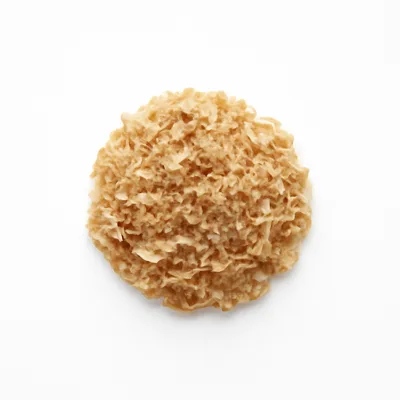 Wheat bran, crude
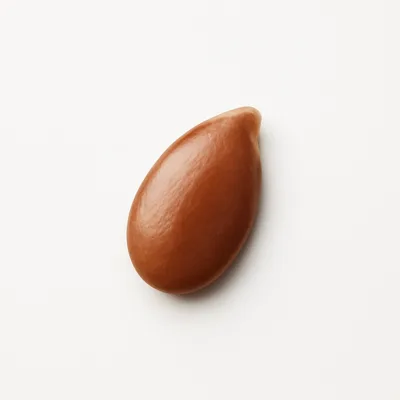 Seeds, flaxseed
 Seeds, sesame seeds, whole, roasted and toasted
 Seeds, sesame seeds, whole, dried
 Seeds, chia seeds, dried
 Seeds, sunflower seed kernels, dried
 Nuts, cashew nuts, raw
 Hyacinth beans, mature seeds, raw
Good to know
Bioavailability tip
Magnesium absorption from plant foods is excellent — typically 30–40% for whole grains and legumes and up to 50–60% for magnesium-rich water. Soaking or sprouting grains and seeds reduces phytate content, improving magnesium absorption further. Unlike iron, there are no major inhibitors of magnesium absorption to worry about in a typical plant based diet.
Questions
How much magnesium do I need per day?
The RDA is 400–420 mg/day for adult men and 310–320 mg/day for adult women (350–360 mg/day during pregnancy and lactation). Most Western adults fall below the RDA — surveys suggest 50–75% of the US population has inadequate magnesium intake. A plant based diet centred on whole grains, legumes, seeds, nuts, and dark leafy greens reliably covers the RDA without supplementation.
What is the relationship between magnesium and vitamin D?
Magnesium and vitamin D have a tightly linked co-dependency. Magnesium is required for the enzymatic activation of vitamin D — both steps: converting inactive vitamin D from sun exposure to its storage form (25-OH vitamin D) and then to its active hormonal form (1,25-dihydroxyvitamin D). Without adequate magnesium, vitamin D supplementation cannot be fully activated. Taking high-dose vitamin D when magnesium is low may actually worsen magnesium deficiency. Always ensure adequate magnesium intake (preferably from whole foods) before or alongside vitamin D supplementation.
Can you get enough magnesium on a plant based diet?
Yes — and plant based eaters typically get more magnesium than omnivores. Whole grains, legumes, seeds, nuts, and dark leafy greens are all excellent sources, and these are the foundation of a whole-food plant based diet. One important consideration: refined grain products have lost up to 80% of their magnesium during milling. Always choose whole grains (oats, quinoa, brown rice, whole wheat) over refined versions to preserve this nutritional advantage.
Is dark chocolate high in magnesium?
Yes — dark chocolate (70–85% cocoa) provides roughly 200–230 mg of magnesium per 100g, making it one of the most concentrated everyday food sources. A 30g square contains around 60–70 mg — about 15–17% of the daily RDA for women. Raw cacao nibs and unsweetened cocoa powder are even more concentrated. This makes dark chocolate a genuinely nutritious food when consumed in moderation, not just a treat. The higher the cocoa percentage, the more magnesium and the less sugar.
Does cooking affect magnesium content in plant foods?
Boiling vegetables causes moderate magnesium loss — leafy greens can lose 30–50% when boiled. Steaming or microwaving preserves more. However, cooking legumes and grains substantially reduces their phytate content, which significantly improves magnesium bioavailability from the remaining mineral. The net nutritional effect is often positive. Seeds and nuts retain magnesium well regardless of preparation method. If boiling vegetables, using the cooking water in soups or sauces recovers a portion of the leached magnesium.
Related tools
Recipes with the most magnesium
-
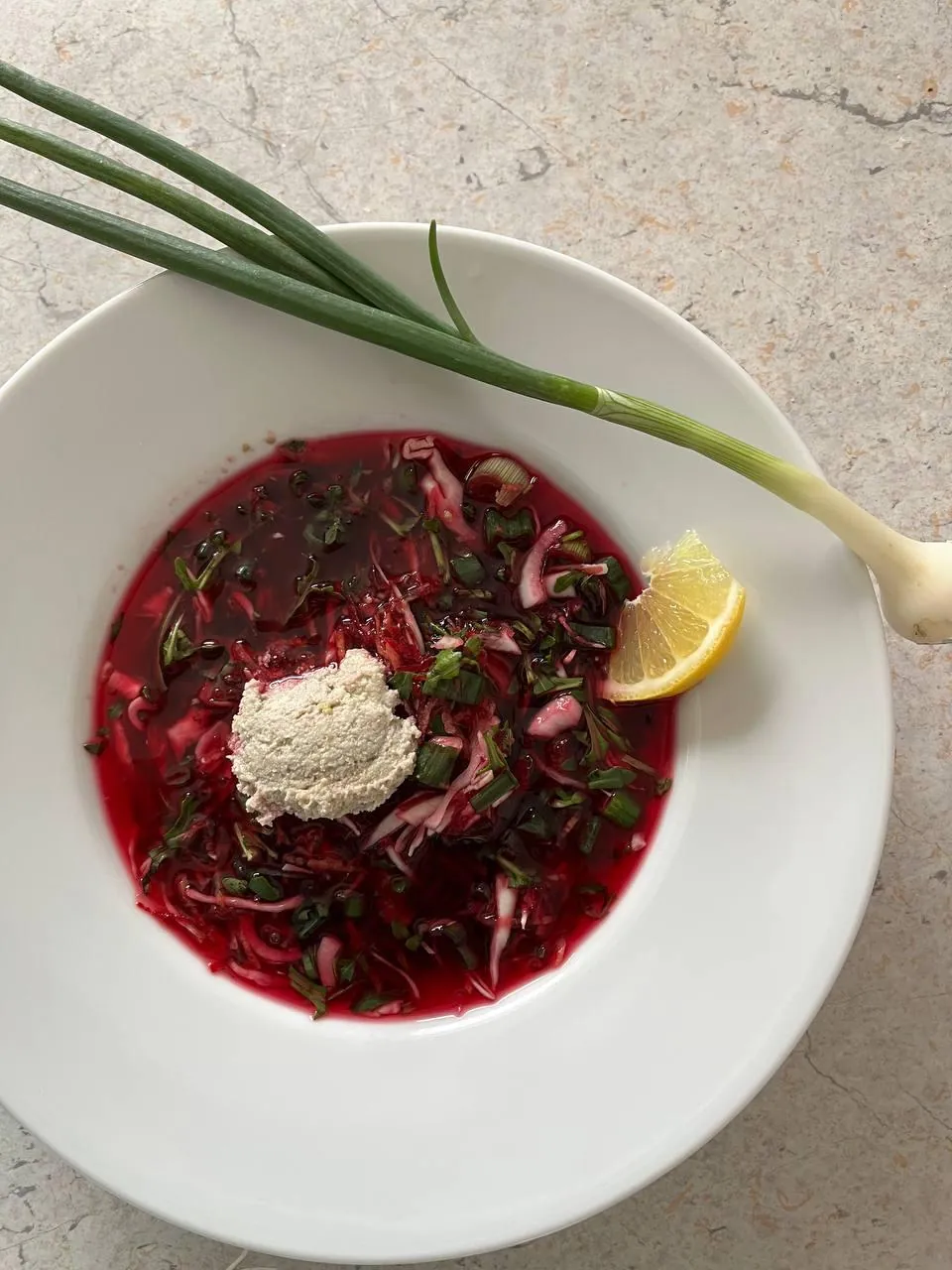 Ukrainian Raw Vegan Borscht 2 h 30 min · 434 kcal per serving Whole foodOil freeGluten freeTree nut free+4 more
 -
 Italy Pasta with napoli style tomato sauce 543 kcal per serving Low fatOil freeTree nut freeSoy free+3 more
 -
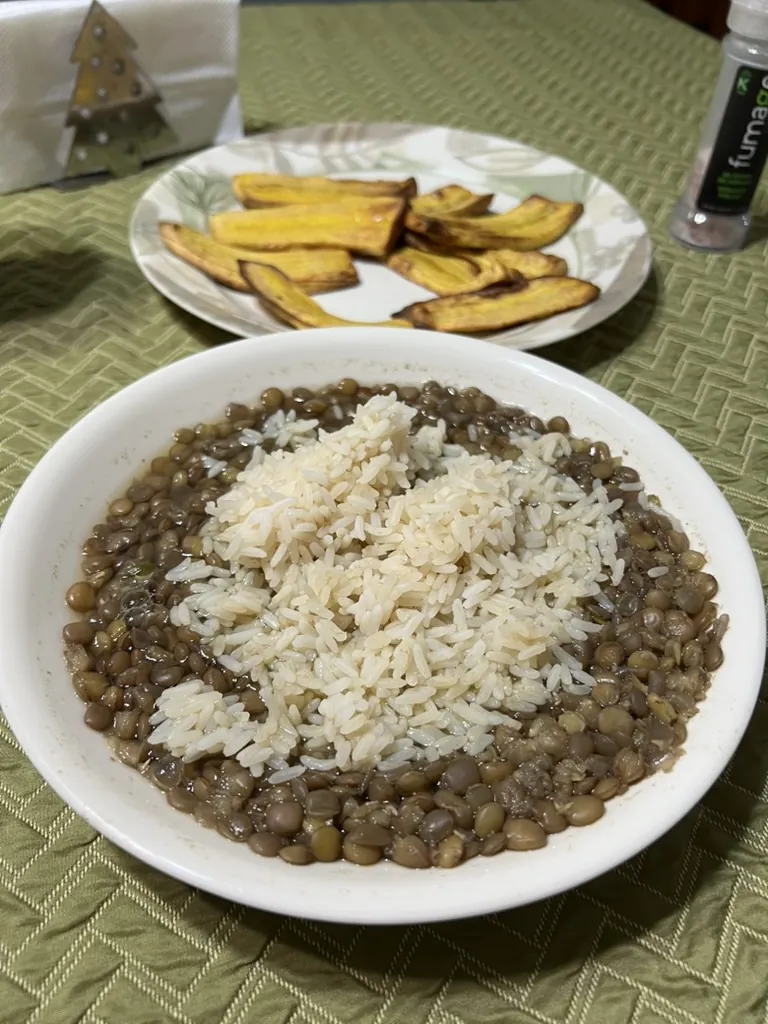 Lentils with rice and plantains 509 kcal per serving SOS freeWhole foodLow fatGluten free+4 more
 -
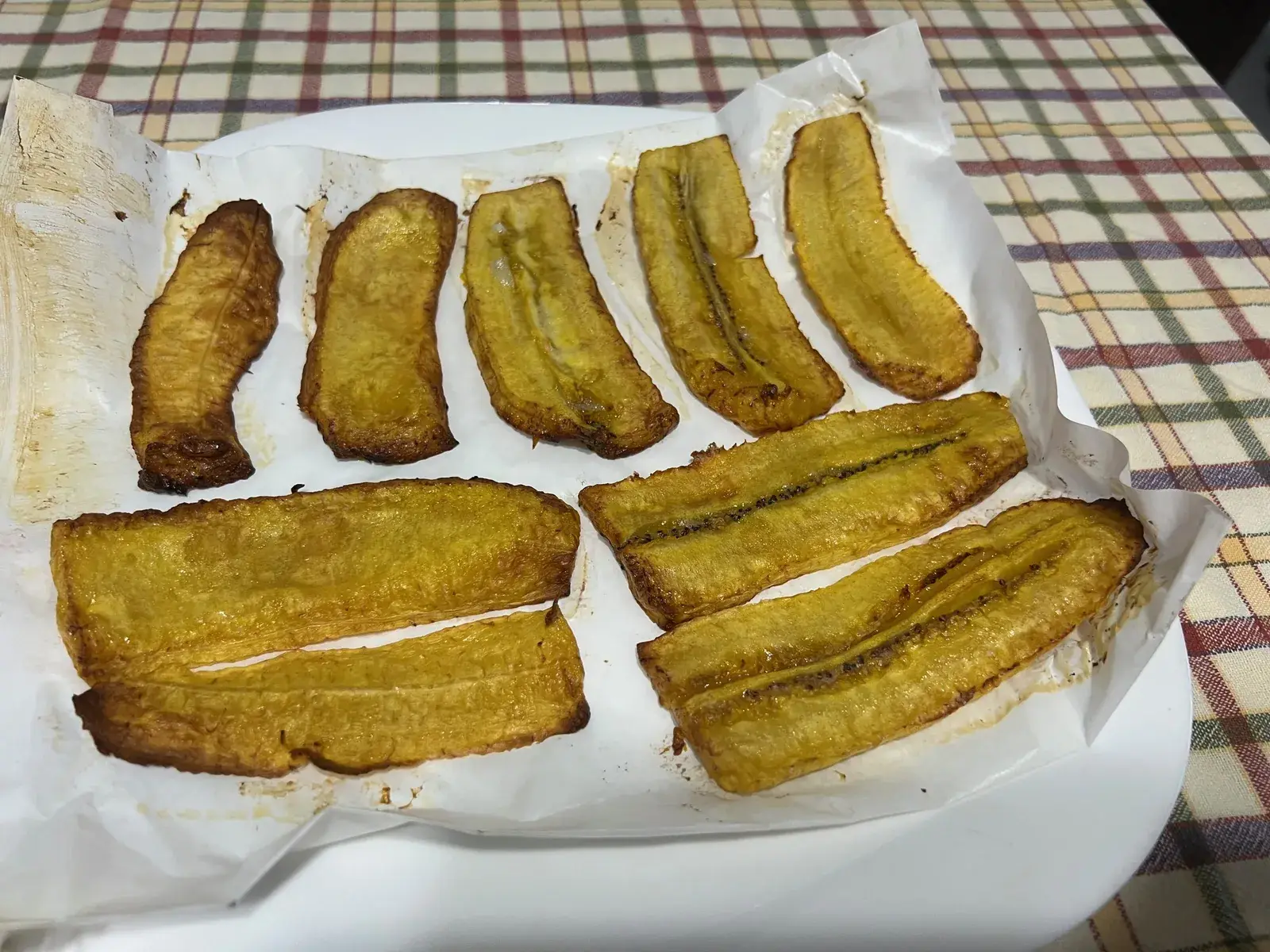 Oil-Free Air Fryer Sweet Plantains 20 min · 220 kcal per serving SOS freeWhole foodLow fatQuick+5 more