Selenium in Plant Based Foods
2,337 plant foods ranked by selenium per 100 g. Search a food, pick a food group or keep whole foods only.
- 2,337 plant foods with selenium data
- Source: USDA FoodData Central
- Units: µg selenium per 100 g
- RDA: 55 µg/day (adult)
Top 50 of 645 whole foods (2,337 with the switch off), per 100 g unless marked.
| # | Group | ||
|---|---|---|---|
| 1 | Nuts, brazilnuts, dried, unblanched | Nuts | |
| 2 | Nuts, brazilnuts, raw | Nuts | |
| 3 | Spices, mustard seed, ground | Spices and Herbs | |
| 4 | Flaxseed, ground | Seeds | |
| 5 | Semolina, enriched | Grains | |
| 6 |  Wheat, durum Wheat, durum | Grains | |
| 7 | Wheat, KAMUT khorasan, uncooked | Grains | |
| 8 | Seeds, sunflower seed kernels, dry roasted, with salt added | Seeds | |
| 9 | Seeds, sunflower seed kernels from shell, dry roasted, with salt added | Seeds | |
| 10 | Seeds, sunflower seed kernels, dry roasted, with salt added | Seeds | |
| 11 | Seeds, sunflower seed kernels, dry roasted, without salt | Seeds | |
| 12 | Wheat germ, crude | Grains | |
| 13 |  Wheat bran, crude Wheat bran, crude | Grains | |
| 14 | Wheat, hard red spring | Grains | |
| 15 | Wheat, hard red winter | Grains | |
| 16 | Seeds, sunflower seed kernels, toasted, with salt added | Seeds | |
| 17 | Spices, ginger, ground | Spices and Herbs | |
| 18 |  Seeds, chia seeds, dried Seeds, chia seeds, dried | Seeds | |
| 19 | Tofu, dried-frozen (koyadofu) | Legume Products | |
| 20 | Tofu, dried-frozen (koyadofu), prepared with calcium sulfate | Legume Products | |
| 21 |  Seeds, sunflower seed kernels, dried Seeds, sunflower seed kernels, dried | Seeds | |
| 22 | Mushrooms, shiitake, dried | Vegetable Products | |
| 23 | Pepeao, dried | Vegetable Products | |
| 24 | Oat bran, raw | Grains | |
| 25 | Fungi, Cloud ears, dried | Vegetable Products | |
| 26 | Wheat, sprouted | Grains | |
| 27 | Vital wheat gluten | Grains | |
| 28 | Barley, hulled | Grains | |
| 29 |  Barley, pearled, raw Barley, pearled, raw | Grains | |
| 30 | Rice, white, long-grain, precooked or instant, enriched, dry | Grains | |
| 31 | Seeds, sesame seed kernels, dried (decorticated) | Seeds | |
| 32 | Seeds, sesame seed kernels, toasted, with salt added (decorticated) | Seeds | |
| 33 |  Seeds, sesame seeds, whole, dried Seeds, sesame seeds, whole, dried | Seeds | |
| 34 |  Seeds, sesame seeds, whole, roasted and toasted Seeds, sesame seeds, whole, roasted and toasted | Seeds | |
| 35 | Seeds, sesame seed kernels, toasted, without salt added (decorticated) | Seeds | |
| 36 | Mustard, prepared, yellow | Spices and Herbs | |
| 37 |  Mustard, prepared, yellow Mustard, prepared, yellow | Spices and Herbs | |
| 38 | Nuts, macadamia nuts, raw | Nuts | |
| 39 | Parsley, freeze-dried | Vegetable Products | |
| 40 | Wheat, KAMUT khorasan, cooked | Grains | |
| 41 | Spices, coriander leaf, dried | Spices and Herbs | |
| 42 | Spices, chervil, dried | Spices and Herbs | |
| 43 | Oats, whole grain, steel cut | Grains | |
| 44 |  Tofu, fried Tofu, fried | Legume Products | |
| 45 | Tofu, fried, prepared with calcium sulfate | Legume Products | |
| 46 |  Beans, pinto, mature seeds, raw (Includes foods for USDA's Food Distribution Program) Beans, pinto, mature seeds, raw (Includes foods for USDA's Food Distribution Program) | Legumes | |
| 47 |  Couscous, cooked Couscous, cooked | Pasta & Noodles | |
| 48 | Vermicelli, made from soy | Legumes | |
| 49 | Spices, coriander seed | Spices and Herbs | |
| 50 |  Mushrooms, brown, italian, or crimini, raw Mushrooms, brown, italian, or crimini, raw | Vegetables |
Everyday foods rich in selenium
Whole foods with their own page, per 100 g; spices and dried herbs left out.
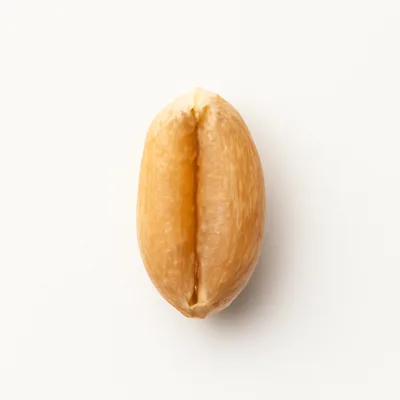 Wheat, durum
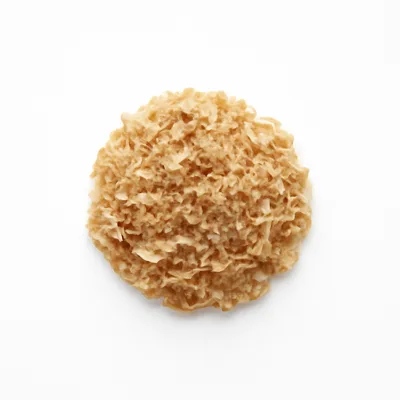 Wheat bran, crude
 Seeds, chia seeds, dried
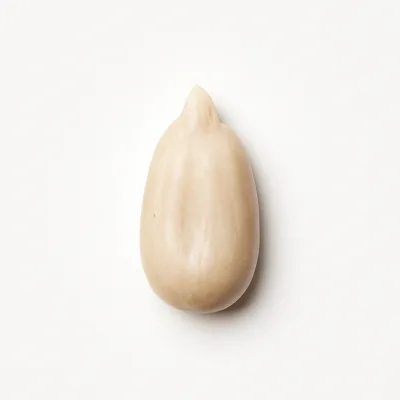 Seeds, sunflower seed kernels, dried
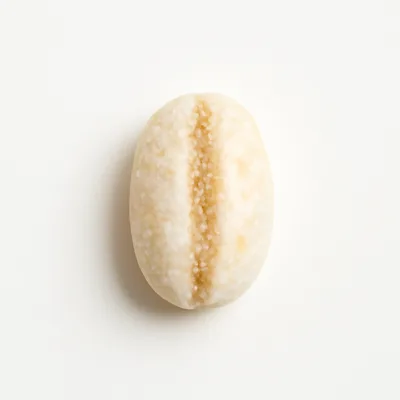 Barley, pearled, raw
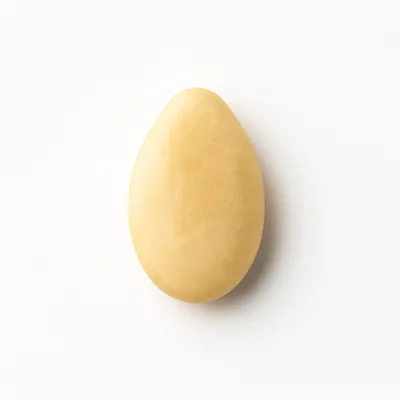 Seeds, sesame seeds, whole, dried
 Seeds, sesame seeds, whole, roasted and toasted
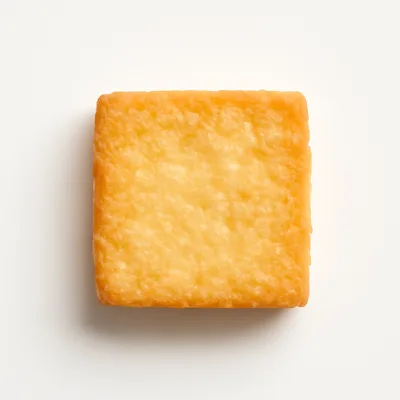 Tofu, fried
Good to know
Antioxidant synergy tip
Selenium and vitamin E are synergistic antioxidants — selenium is essential for the glutathione peroxidase enzyme, while vitamin E protects cell membranes from oxidative damage. Together they provide comprehensive antioxidant defence. Combining selenium sources (seeds, grains, legumes) with vitamin E sources (nuts, seeds, plant oils) maximises protection. See the Vitamin E Ranking Tool for plant based vitamin E sources.
Questions
Are Brazil nuts a reliable daily selenium source?
Brazil nuts are the most concentrated food source of selenium, but for daily consumption, moderation is essential. Two Brazil nuts (~10g) supply approximately 110 µg selenium — nearly double the RDA — making it easy to exceed the UL (400 µg/day) with habitual overconsumption. The ideal strategy is to use Brazil nuts occasionally (1–2 per day) or several per week, and combine them with other selenium-rich plant foods like sunflower seeds, oats, wheat germ, and tofu. This approach provides consistent selenium without risk of excess intake.
How much selenium do I need per day?
The RDA for selenium is 55 µg/day for adults of all ages (including pregnancy and lactation). This is easily achieved through plant foods. Just two Brazil nuts supply ~110 µg, covering the entire RDA. However, relying solely on Brazil nuts risks excessive intake. A more balanced approach combines multiple sources: a handful of sunflower seeds, a serving of oats, wheat germ in a smoothie, and tofu in a stir-fry delivers consistent daily selenium from whole foods without reliance on a single source.
What is the relationship between selenium and glutathione?
Selenium and glutathione work synergistically as the body's primary antioxidant defence system. Selenium is a structural component of glutathione peroxidase (GPx), the enzyme that catalyses the reduction of hydrogen peroxide (H₂O₂) and organic hydroperoxides into water and harmless alcohols — a process that requires glutathione. Glutathione is the body's most abundant endogenous (internally produced) antioxidant tripeptide. Together, selenium-dependent glutathione peroxidase and reduced glutathione form the cornerstone of intracellular protection against oxidative stress. Without adequate selenium, glutathione peroxidase activity is impaired, overwhelming the antioxidant system and increasing disease risk.
Can a plant based diet provide enough selenium?
Yes — a plant based diet easily provides adequate selenium. Plant sources include brazil nuts, wheat germ, sunflower seeds, oats, seeds (chia, pumpkin), legumes (lentils, beans), tofu, and nuts (cashews, almonds). The key is variety — rotating through different whole plant foods ensures consistent daily intake without reliance on a single source. A single ounce of sunflower seeds (approximately 1/4 cup) delivers ~77 µg selenium, exceeding the RDA. Plant based diets with diverse whole grains, legumes, nuts, and seeds easily meet selenium needs.