
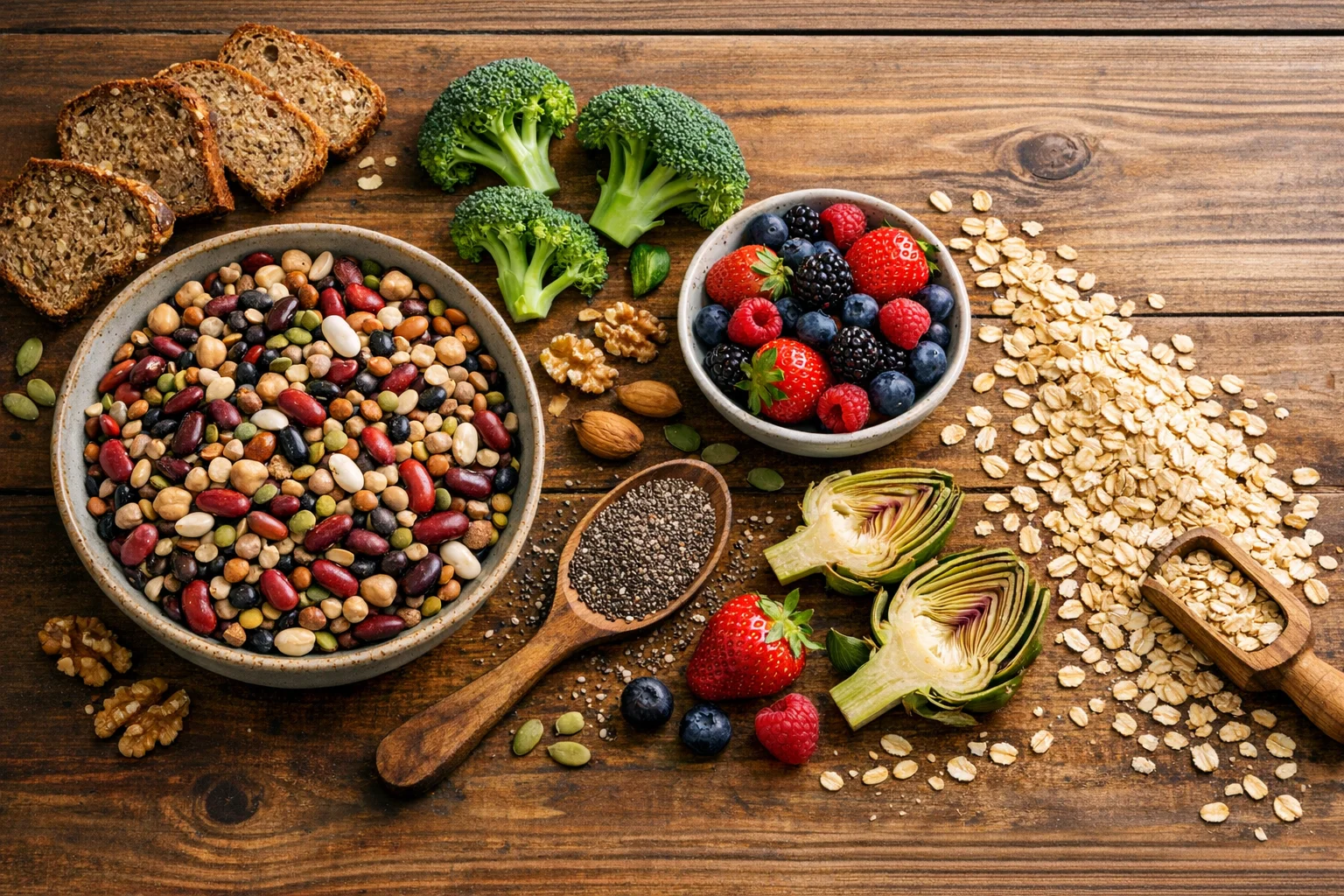
While most nutrition conversations focus on plant protein and B12, plant-based eaters have unlocked a hidden advantage: fiber. The average American consumes just 15 grams daily (60% below recommendations), while plant-based eaters routinely hit 47 grams or higher—nearly three times the average. The research is compelling: every 7 grams of daily fiber cuts cardiovascular mortality by 26%, and beans consumed daily reduce colon cancer risk by 50%. Yet fiber remains overlooked, overshadowed by supplement marketing and flashier nutrients.
This article explores why fiber matters so deeply, how plant-based diets deliver it effortlessly, and what the leading plant-based physicians are saying about optimizing your fiber intake for maximum health.
What Is Fiber?
Fiber is a type of carbohydrate found exclusively in plant foods—vegetables, fruits, whole grains, legumes, nuts, and seeds. Unlike other carbohydrates that your body breaks down into glucose for energy, dietary fiber passes through your digestive system largely intact. This seemingly simple fact explains why fiber has such profound effects on your health.
There are two main types of fiber, and both matter:
Soluble Fiber
Soluble fiber dissolves in water to form a gel-like substance. This type slows digestion, helping regulate blood sugar and diabetes on a plant-based diet levels and extend satiety between meals. You’ll find soluble fiber in oats, beans, apples, citrus fruits, and barley. When soluble fiber reaches your colon, it feeds your beneficial gut bacteria, which ferment it into short-chain fatty acids (SCFAs)—particularly butyrate, one of the most important molecules for your health.
Butyrate is the preferred fuel for your colonocytes and plays a key role in immune function, inflammation control, and cognitive health—manufactured naturally when you eat fiber-rich plant foods.
Insoluble Fiber
Insoluble fiber doesn’t dissolve in water; instead, it adds bulk to your stool and keeps things moving through your digestive tract efficiently. This is your primary defense against constipation and your colon’s natural “broom.” Whole grains, beans, vegetables (especially the skins), and nuts are rich in insoluble fiber. When you eat the skins of apples or potatoes, the bran of whole wheat, or the hulls of legumes, you’re consuming valuable insoluble fiber that your digestive system depends on.
Both types work synergistically. A truly plant-based diet provides abundant quantities of each, creating an environ from plant foodsment where your digestive system thrives and your microbiome flourishes.
The Fiber Gap: Why 95% of Americans Fall Short
95% of Americans fall short of the recommended 25-38 grams of daily fiber, consuming just 15 grams on average—a gap that has widened over decades as the food system shifted toward processed convenience. The Academy of Nutrition and Dietetics recommends 25-38 grams daily for adults, yet the average American is nearly 60% below this minimum. Meanwhile, whole-food plant-based eaters consistently exceed recommendations, hitting 40-60 grams daily without effort or special planning.
The numbers are striking: according to NHANES (National Health and Nutrition Examination Survey) data, only 5% of Americans meet their daily fiber targets—a silent epidemic with staggering health consequences. Adults aged 20 and older consume a median of 15 grams daily; for those aged 50+, the number drops to 13 grams. Children fare even worse, with toddlers and adolescents averaging 8-10 grams—less than half of their age-appropriate recommendations. This fiber deficiency is universal across race and income, with poverty-stricken communities hit hardest due to limited access to whole plant foods and reliance on subsidized processed grains.
This isn’t a matter of willpower—it’s a direct result of our food system. The standard American diet centers on ultra-processed foods: white bread stripped of its bran, refined pasta, sugary cereals, and animal products containing zero fiber. A burger and fries provides 5 grams; a plant-based bowl delivers 15-20 grams. The food industry optimized processed foods for shelf stability, ultra-palatability, and extended shelf life rather than nutritional value, while the supplement industry profits from a problem that whole plant foods solve inexpensively and completely.
The Industrial Food System’s Role
Food manufacturers deliberately remove fiber during processing because it reduces shelf stability and changes texture. Removing bran from wheat and germ from corn extends shelf life by preventing rancidity of plant oils—a financial benefit for distribution networks but a nutritional catastrophe for consumers. Refined white flour, the foundation of processed baked goods, has had 75% of its fiber stripped away. A single slice of whole wheat bread provides 4 grams; a slice of white bread provides just 1 gram. When you consider Americans consuming 2-3 slices of bread daily, choosing white over whole wheat costs them 6-9 grams of daily fiber—roughly 40% of their total inadequate intake.
Plant-based eaters reverse this pattern entirely. A day centered on legumes, whole grains, vegetables, and fruits naturally accumulates 40-60 grams of fiber because plant foods are inherently fiber-rich. Legumes deliver 6-8 grams per serving; whole grains provide 3-5 grams; vegetables add 2-4 grams each. These foods weren’t engineered for extended shelf life—they’re the product of millions of years of evolution designed to be nutritionally complete.
Research & Statistics: Why Fiber Matters More Than You Think
The evidence connecting fiber intake to disease prevention is among the most robust in all of nutritional science. Unlike many nutrition claims that hinge on preliminary studies, fiber’s benefits are backed by decades of consistent research across diverse populations. Here are the key findings that matter:
Cardiovascular Disease
A BMJ meta-analysis of 249 studies found every 7 grams of daily fiber reduced cardiovascular mortality by 26%, through effects on cholesterol, blood pressure, inflammation, and weight.
Colorectal Cancer
The Loma Linda Adventist Health Study found consuming legumes daily reduced colorectal cancer risk by 50%. This protection stems from butyrate’s effects on colonocytes, fiber’s prebiotic function, and phytochemicals in plant foods.
Type 2 Diabetes
Soluble fiber slows carbohydrate absorption, stabilizing blood sugar and improving insulin sensitivity. Studies show increasing fiber improves glycemic control and reduces diabetes incidence.
Weight Management
Fiber creates fullness, requires more chewing, and is digested slowly, extending satiety. High-fiber plant-based diets naturally reduce calorie intake while increasing satisfaction—without restrictive dieting.
Gut Health & Microbiome Diversity
Fiber feeds your microbiome. The American Gut Project found people consuming 30+ plant varieties weekly had the most diverse, resilient microbiomes with improved health markers.
What Plant-Based Doctors Recommend
Leading plant-based physicians unanimously emphasize fiber as foundational to optimal health. These seven doctors have conducted decades of research and successfully treated thousands of patients. Here’s what their evidence-based recommendations share:
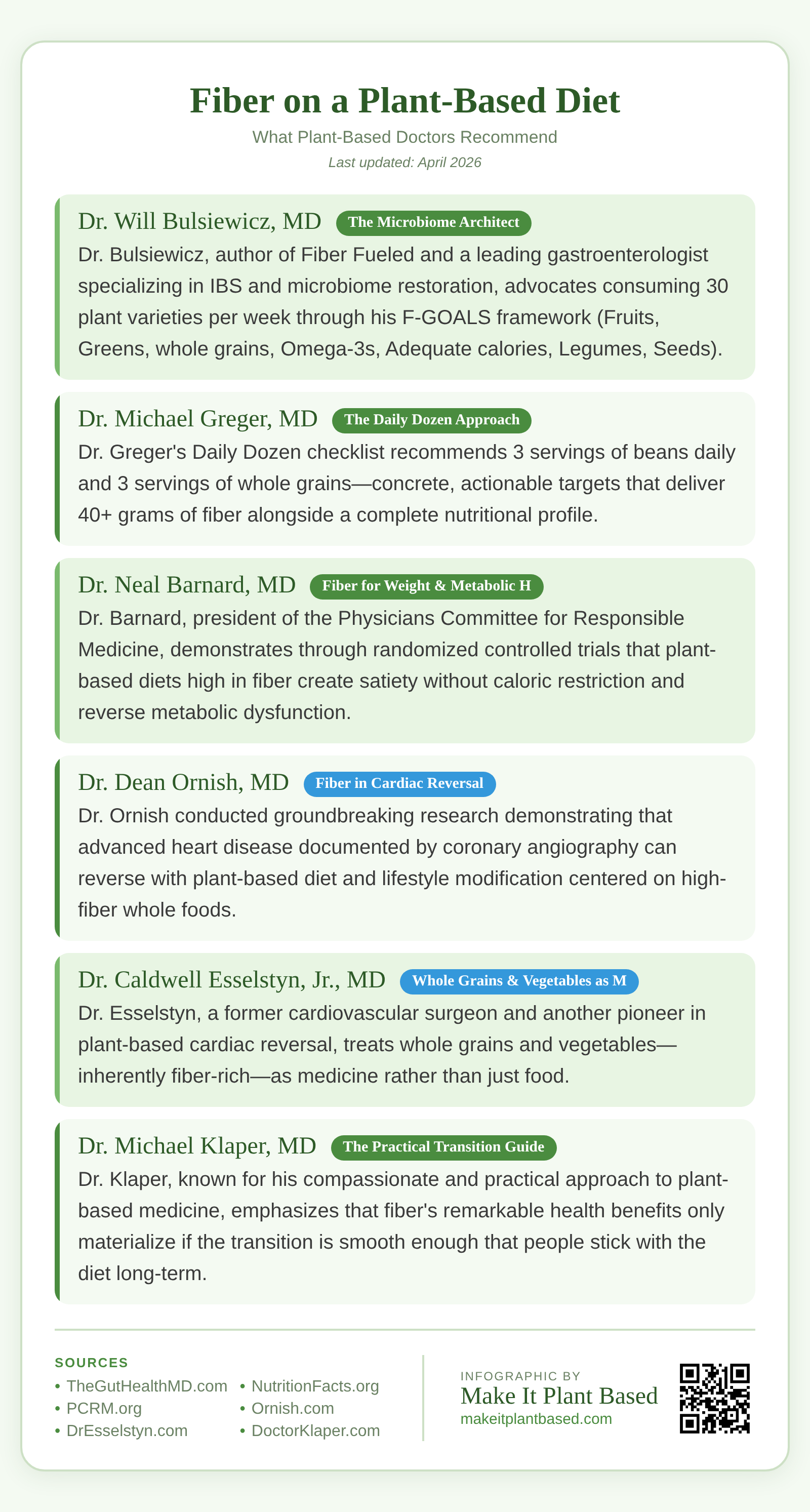
Will Bulsiewicz, MD — The Microbiome Architect
Dr. Bulsiewicz, author of Fiber Fueled and a leading gastroenterologist specializing in IBS and microbiome restoration, advocates consuming 30 plant varieties per week through his F-GOALS framework (Fruits, Greens, whole grains, Omega-3s, Adequate calories, Legumes, Seeds). This target naturally exceeds fiber recommendations while maximizing microbial diversity—the true marker of gut health. Bulsiewicz’s clinical experience treating thousands of patients demonstrates that fiber-rich plant diversity consistently reverses dysbiosis and resolves chronic digestive symptoms. Fiber is the foundation of communication between you and your microbiome—every plant food is a message to your bacteria, building resilience against disease. (NutritionFacts.org — Fiber) (PCRM — Fiber)
Michael Greger, MD — The Daily Dozen Approach
Dr. Greger‘s Daily Dozen checklist recommends 3 servings of beans daily and 3 servings of whole grains—concrete, actionable targets that deliver 40+ grams of fiber alongside a complete nutritional profile. Rather than vague advice to “eat more fiber,” Greger, founder of nutritionfacts.org, provides specific daily targets based on rigorous evidence synthesis from over 30,000 peer-reviewed studies. His bean recommendation alone—typically three servings of legumes—delivers 18-24 grams of fiber, accounting for 50-100% of daily requirements depending on bodyweight and health status. This specificity transforms abstract recommendations into daily habits.
Neal Barnard, MD — Fiber for Weight & Metabolic Health
Dr. Barnard, president of the Physicians Committee for Responsible Medicine, demonstrates through randomized controlled trials that plant-based diets high in fiber create satiety without caloric restriction and reverse metabolic dysfunction. His research specifically shows that high-fiber plant foods reduce both appetite hormones and hedonic eating (eating for pleasure despite satiety), while whole plant foods naturally lack the energy density of processed foods. His diabetes patients, documented in peer-reviewed journals, often achieve normal blood sugar without medication through high-fiber whole-food diets alone, reversing a condition typically considered irreversible.
Dean Ornish, MD — Fiber in Cardiac Reversal
Dr. Ornish conducted groundbreaking research demonstrating that advanced heart disease documented by coronary angiography can reverse with plant-based diet and lifestyle modification centered on high-fiber whole foods. His 30-year follow-up data shows patients following his program achieve sustained reversal of atherosclerotic plaque without medications. His program emphasizes that fiber-rich foods lower LDL cholesterol, improve endothelial function and vascular flexibility, and reduce systemic inflammation through multiple mechanisms—all critical in reversing atherosclerosis. His evidence remains unmatched in cardiology. (Ornish Lifestyle Medicine — Food for a Happy Gut)
Caldwell Esselstyn, Jr., MD — Whole Grains & Vegetables as Medicine
Dr. Esselstyn, a former cardiovascular surgeon and another pioneer in plant-based cardiac reversal, treats whole grains and vegetables—inherently fiber-rich—as medicine rather than just food. His clinical outcomes, documented across 25+ years, are among the most compelling evidence for plant-based nutrition: his patients achieve normal coronary arteries and remain event-free decades later with near-zero recurrent cardiac events. His emphasis on whole plant foods over processed alternatives ensures fiber intake reaches therapeutic levels—sufficient to produce the systemic changes that reverse plaque.
Michael Klaper, MD — The Practical Transition Guide
Dr. Klaper, known for his compassionate and practical approach to plant-based medicine, emphasizes that fiber’s remarkable health benefits only materialize if the transition is smooth enough that people stick with the diet long-term. His key recommendations—increase gradually by 5-10 grams every 2-3 days, drink adequate water (8+ cups daily), and allow 2-4 weeks for full digestive adaptation—are essential wisdom that helps thousands successfully transition to high-fiber plant-based eating without abandoning the diet due to temporary digestion and bloating on a plant-based diet. His pragmatic philosophy acknowledges that perfect is the enemy of good: a sustainable 40g of fiber beats an unsustainable 60g attempted briefly then abandoned.
The Gut Microbiome Connection: Beyond Fiber to Fermentation
Fiber powers your microbiome. When you eat fiber, beneficial bacteria ferment it into short-chain fatty acids (SCFAs)—primarily butyrate, propionate, and acetate—which fuel your colon cells, strengthen your intestinal barrier, reduce inflammation, and influence immune and mental health through complex signaling pathways. This fermentation is not incidental; it’s the mechanism through which fiber prevents disease.
The Power of Short-Chain Fatty Acids
Butyrate, the most studied SCFA, is the preferred fuel for colonocytes (colon cells). When your microbiota ferments fiber into butyrate, you’re essentially creating energy that powers the cells lining your intestine. This has profound cascading effects: colonocytes powered by adequate butyrate maintain tight junctions (connections between cells), preventing “leaky gut” where bacterial lipopolysaccharides cross into the bloodstream and trigger systemic inflammation. Leaky gut is implicated in inflammatory bowel disease, metabolic endotoxemia, type 2 diabetes, and autoimmune conditions.
Propionate and acetate, the other major SCFAs, are absorbed directly into the bloodstream where they regulate multiple metabolic pathways. Propionate reduces appetite signaling through interactions with gut hormones like GLP-1 and PYY, improving satiety and weight management. Acetate serves as a building block for cholesterol synthesis and influences energy expenditure. Together, these three SCFAs represent a chemical communication network between your microbiota and your metabolism—a network that only functions when you provide adequate fiber.
Fiber, Immune Function, and the Gut-Brain Axis
The colon epithelium hosts 70% of your immune system. When butyrate is produced locally, it strengthens intestinal barrier function and educates immune cells through epigenetic mechanisms, promoting immune tolerance (the ability to distinguish beneficial bacteria from pathogens). Butyrate promotes the differentiation of regulatory T cells, the immune system’s “peacekeepers” that prevent excessive inflammation and autoimmunity. Low-fiber diets produce insufficient butyrate, leading to compromised immune education and increased susceptibility to both infections and autoimmune disease.
The gut-brain axis—the bidirectional communication between your microbiota and nervous system—operates largely through bacterial metabolites like butyrate and neurotransmitter production. Your microbiota produce neurotransmitters (serotonin, GABA, dopamine precursors) that influence mood, anxiety, and cognitive function. Multiple studies link high-fiber diets to reduced depression and anxiety scores, likely through enhanced microbial production of these neuroactive compounds. Conversely, low-fiber diets correlate with increased rates of depression, anxiety, and cognitive decline.
Microbial Diversity and Resilience
Will Bulsiewicz’s American Gut Project examined hundreds of microbiomes and found people consuming 30+ plant varieties weekly had the most diverse, resilient microbiomes—and diversity is the hallmark of a healthy gut. Different plants feed different bacterial species, creating a more robust ecosystem. A diverse microbiota is like a well-stocked forest: if one species is threatened by disease or environmental stress, others fill the niche. A low-diversity microbiota dependent on a few species is fragile, easily disrupted by antibiotics, infection, or dietary change.
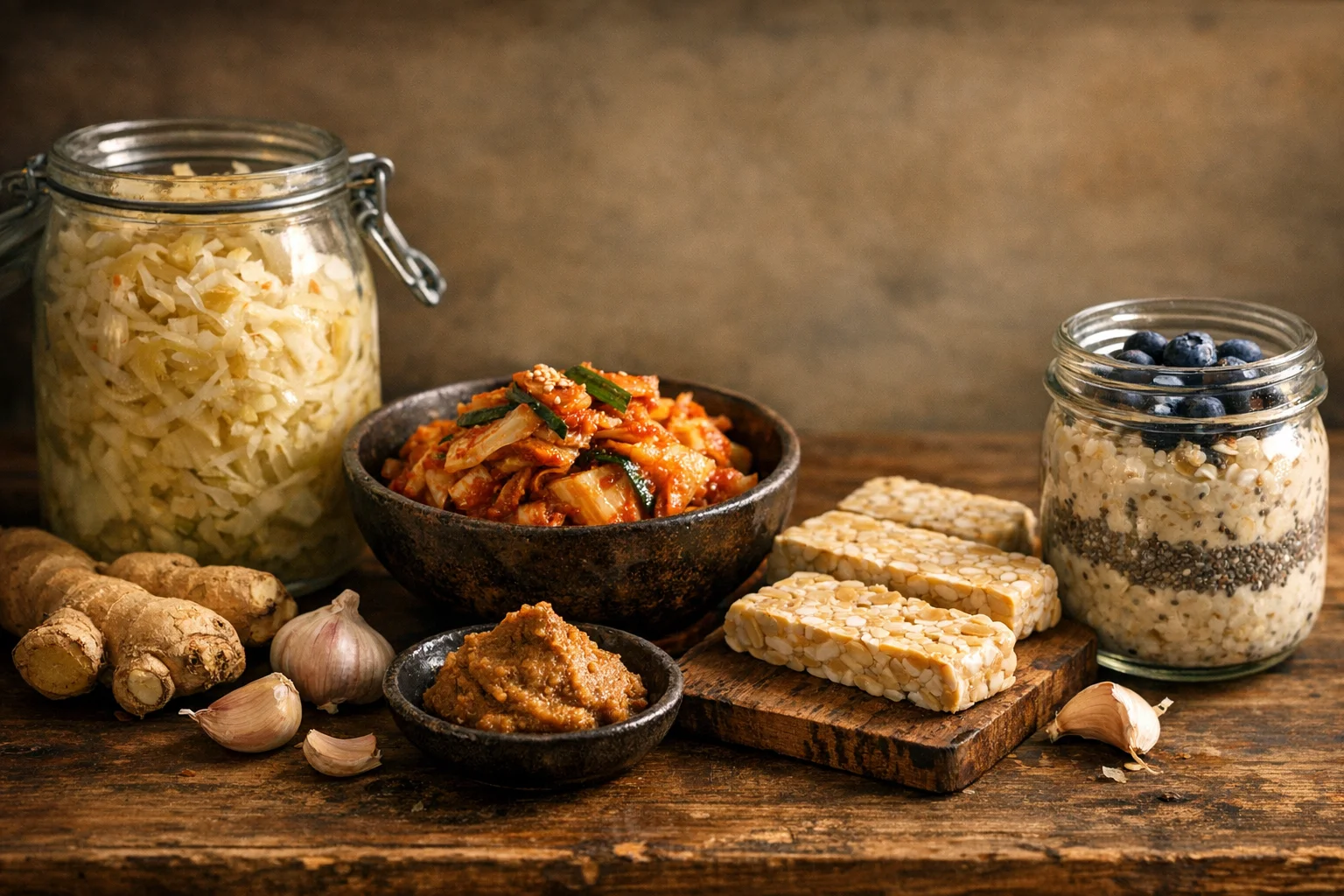
Fermented foods (sauerkraut, kimchi, tempeh, miso) provide beneficial bacteria that support your microbiota. The combination of fiber (prebiotic—food for beneficial bacteria) and fermented foods (probiotic—live beneficial bacteria) creates a synergistic effect Bulsiewicz calls “microbial gardening.” You’re not just eating nutrients; you’re cultivating an internal ecosystem. The bacteria you nurture produce the metabolites that prevent disease.
Best Plant-Based Fiber Sources: Build Your High-Fiber Arsenal
Not all fiber sources are created equal. While any plant food contains some fiber, certain foods are fiber powerhouses:
Use the Fiber in Plant Foods ranking tool to compare fiber content across hundreds of ingredients, or the Ingredient Nutrient Lookup for any food’s full fiber and nutrient profile.
Legumes (The Fiber Champions)
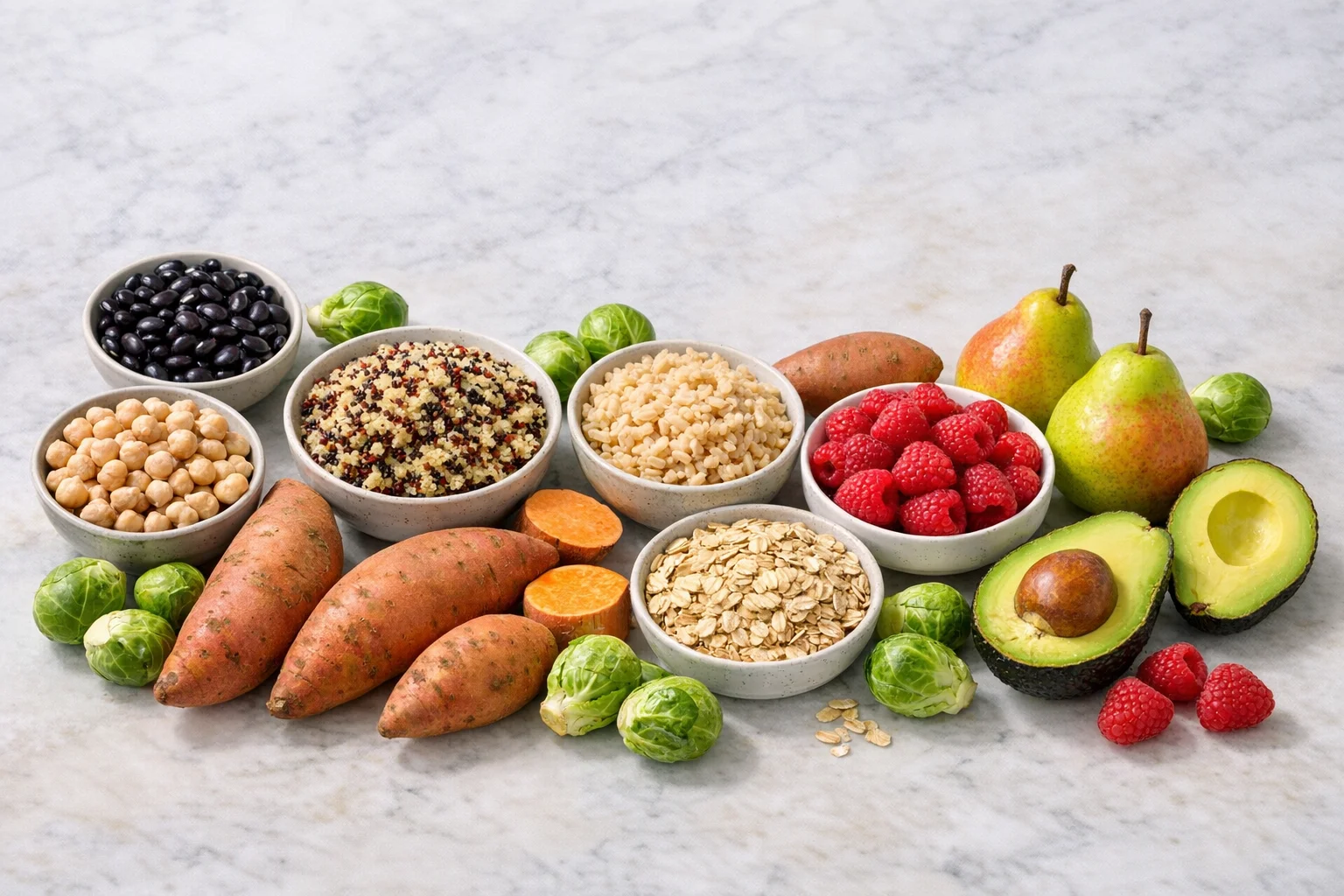
Beans, lentils, and chickpeas are the single best fiber sources on the planet and deserve centerpiece status in any plant-based diet. A cup of cooked lentils contains 15 grams of fiber (making it a single serving that delivers 40-60% of daily requirements). Black beans deliver 15 grams per cooked cup. Chickpeas provide 12 grams per cooked cup. Split peas offer 16 grams per cooked cup. They’re also complete proteins (when combined with whole grains), rich in iron, zinc, folate on a plant-based diet, and polyphenols, and remarkably inexpensive at $0.50-1.00 per serving. A single meal built around legumes—a lentil dal, black bean chili, or chickpea curry—delivers nearly a day’s worth of fiber. If you’re eating plant-based and aiming for substantial fiber, legumes must anchor your diet rather than supplement it.
Whole Grains
Whole grains transform fiber intake from marginal to substantial. Oats deliver 8 grams fiber per cooked cup (or per serving of rolled oats with liquid). Barley provides 11 grams per cooked cup, making it one of the highest-fiber grains and a superb substitute for rice. Whole wheat bread provides 4 grams per slice—meaning two slices delivers as much fiber as a white bread eater consumes in four slices. Quinoa offers 5 grams per cooked cup alongside complete protein. Brown rice supplies 4 grams per cooked cup. Farro, often overlooked, provides 7 grams per cooked cup. The key is “whole grain”—refined grains have had their bran and germ stripped away during processing, removing 70-80% of the fiber while retaining mostly empty calories. Switching a single meal from refined to whole grains adds 6-12 grams daily with no other changes.
Vegetables (Especially the Tough Parts)
Vegetables contribute steady fiber throughout the day, particularly when you eat the entire plant including skins and stems. Broccoli supplies 3 grams per cooked cup. Brussels sprouts deliver 4 grams per cooked cup. Sweet potatoes with skin provide 7 grams (twice as much as peeled). Spinach offers 7 grams when cooked, only 1 gram when raw (cooking concentrates volume). Artichokes, often overlooked, contain 10 grams of fiber per medium artichoke—more than many legumes—with a unique combination of insoluble and soluble fiber. Carrots (with skin) provide 3 grams per medium carrot. The skin is crucial throughout: eating an apple with skin delivers three times more fiber than peeling it first. This principle applies universally—potatoes with skin, pears with skin, beans with skin all provide maximum fiber. A single vegetable-focused meal (roasted vegetables, stir-fry, or salad) easily contributes 8-15 grams of fiber.
Fruits
Fruits deliver both fiber and natural satisfaction through sweetness, making them ideal for replacing processed snacks. Raspberries top the list at 8 grams per cup (a snack-sized portion). Pears with skin provide 6 grams per medium fruit and offer both soluble and insoluble fiber in favorable ratios for digestive health. Avocados deliver 10 grams per fruit—technically a fat source but excellent for fiber while providing heart-healthy fats. Blackberries offer 8 grams per cup. Bananas supply 3 grams (modest but additive across multiple servings). Kiwis provide 3 grams and improve transit time due to actinidin enzyme. Whole fruits are substantially better than juices, which remove fiber during processing: orange juice provides 0.5 grams per 8 oz cup despite using two oranges; eating two whole oranges delivers 6 grams. A daily fruit routine—apple for breakfast, pear for snack, berries in smoothie, banana mid-day—easily contributes 20-25 grams of daily fiber.
Nuts & Seeds
Nuts and seeds are fiber-dense but calorie-dense, so portions matter. Chia seeds deliver 10 grams per ounce (2 tablespoons)—staggering density, but 2 tablespoons contains 140 calories, making it impractical as a primary fiber source. Ground flaxseed provides 8 grams per 3 tablespoons (150 calories). Almonds offer 4 grams per ounce (25 almonds; 160 calories). Hemp seeds supply 1 gram per 3 tablespoons of protein alongside fiber. These are best used as targeted supplements to a diet already rich in legumes and whole grains: a sprinkling of chia in smoothies, flax sprinkled on oatmeal, almonds as a snack. A daily seed/nut routine contributes 5-8 grams without displacing other foods. Crucially, nuts and seeds shouldn’t substitute for legumes (which provide more fiber per calorie) but rather supplement them, adding variety and additional micronutrients.
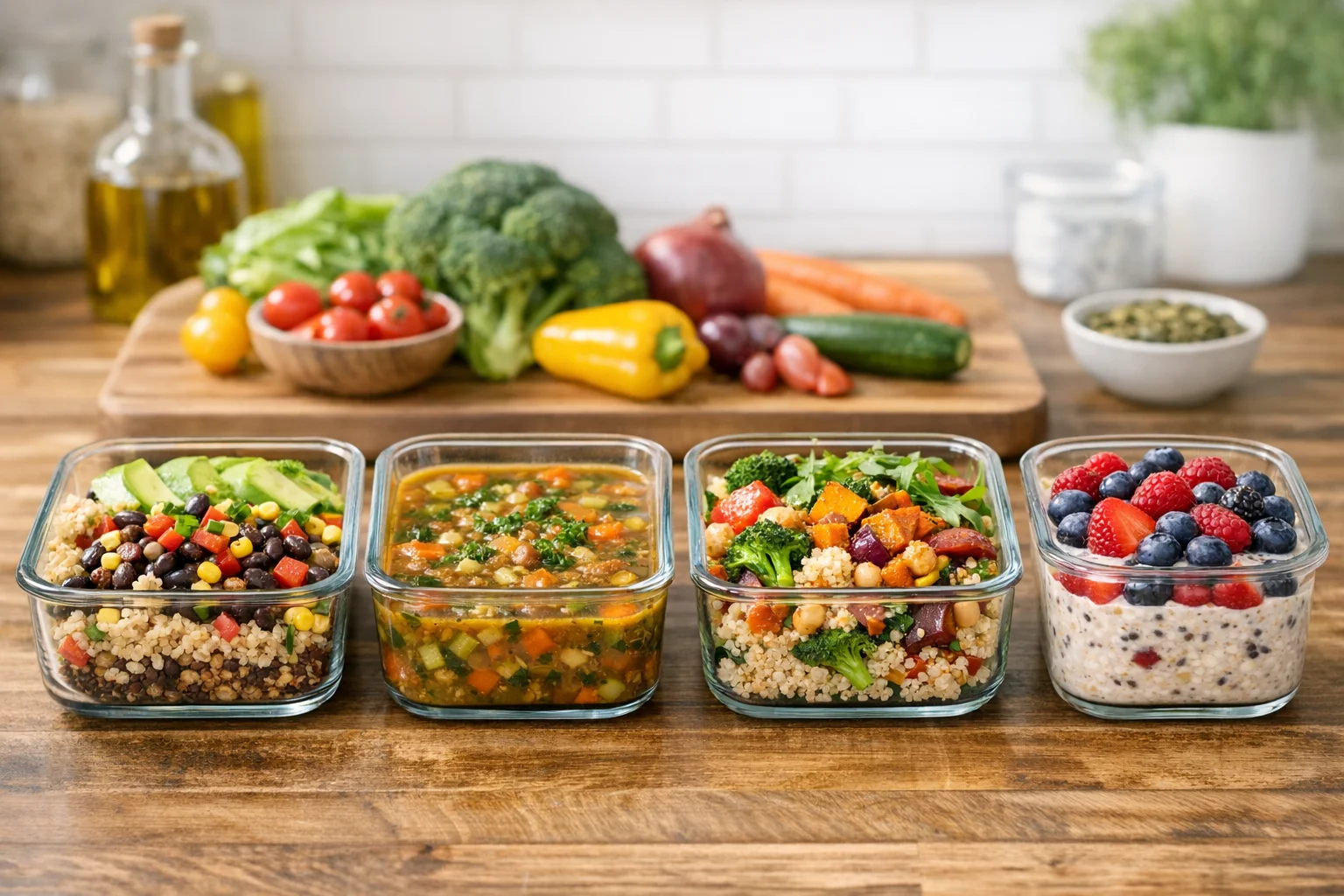
Making the Transition: Avoiding the “Fiber Fog” Without Sacrificing Fiber’s Benefits
If you’ve recently gone plant-based or dramatically increased fiber intake, you may experience temporary gas, bloating, and digestive discomfort. This isn’t a sign that fiber is bad for you—it’s actually a sign your microbiome is adapting, creating new bacterial populations that ferment the fiber you’re now providing. Dr. Klaper’s key advice: increase fiber gradually by 5-10 grams every few days, allowing your digestive system and microbiome time to adjust within 2-4 weeks.
A Sample High-Fiber Day
Here’s what 50+ grams of fiber looks like in practice:
Breakfast: 1.5 cups oatmeal with banana and flaxseed (12g) | Mid-Morning Snack: Apple with almonds (8g) | Lunch: Chickpea salad with sweet potato and greens (18g) | Afternoon Snack: Chia seeds with plant-based yogurt (10g) | Dinner: Lentil dal with brown rice and broccoli (16g) = 64 grams of fiber.
This isn’t a sparse or extreme diet—it’s delicious, satisfying, and built entirely on whole foods you likely already enjoy or can easily learn to prepare.
Hydration is Key
Fiber works best with adequate water—aim for 8+ cups daily. Adequate hydration allows fiber to absorb water, softening stool and preventing constipation.