
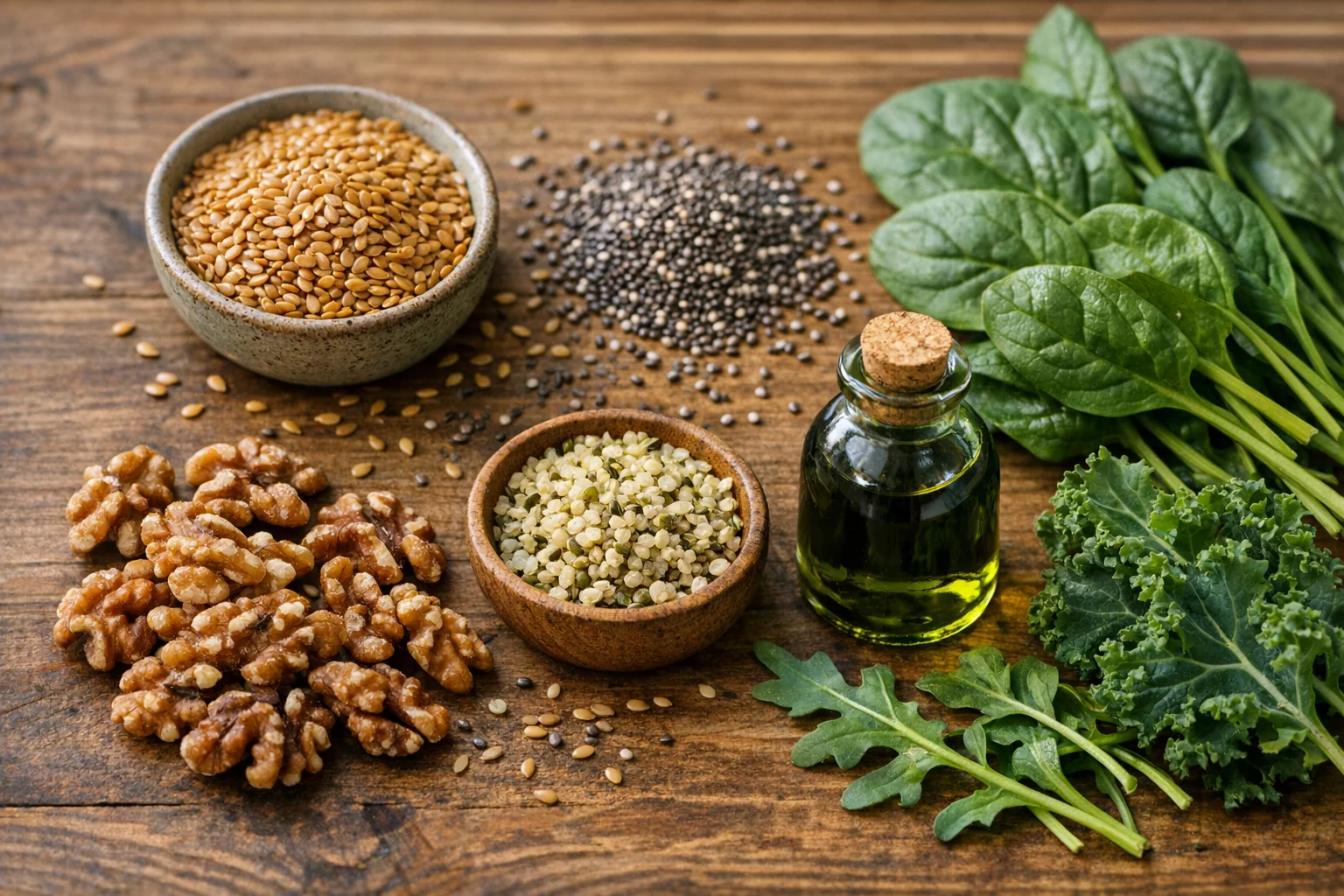
If you’ve recently adopted a plant-based diet — or you’ve been eating this way for years — you’ve probably heard that omega-3 fatty acids are one nutrient worth paying attention to. The conversation usually goes something like this: “But where do you get your omega-3s without fish?” The truth is that plants are where omega-3s originate in the food chain, and understanding how your body processes them is the key to getting enough on a whole-food plant-based diet.
Here’s what might surprise you: the omega-3 found in fish didn’t originate in fish at all. Fish accumulate DHA and EPA by eating algae and smaller organisms that produce these fats. Cutting out the middlefish and going directly to plant and algae sources is not only possible — it’s what leading plant-based physicians recommend. Let’s look at what the research says and what the doctors advise.
What Are Omega-3 Fatty Acids and Why Do They Matter?
Omega-3 fatty acids are a family of polyunsaturated fats essential for heart health, brain function, and inflammation management. There are three main types: ALA (alpha-linolenic acid), EPA (eicosapentaenoic acid), and DHA (docosahexaenoic acid). Plant sources provide primarily ALA, which your body can theoretically convert into EPA and DHA. However, this conversion is remarkably inefficient. On average, your body converts only 5-10% of dietary ALA into EPA, and a mere 2-5% into DHA. This means if you consume 2,000 mg of ALA from flaxseed, you might only convert 100-200 mg into EPA and 40-100 mg into DHA—far below the 250+ mg of combined EPA+DHA that most health experts recommend daily. This conversion inefficiency is why many plant-based doctors recommend direct supplementation with algae-derived EPA and DHA rather than relying on plant foods alone. Your body is incredibly efficient at using pre-formed EPA and DHA (achieving near 100% utilization), but it simply cannot reliably manufacture sufficient amounts from ALA, no matter how much flaxseed or chia you consume. This is not a flaw in plant-based diets—it’s a limitation of human biochemistry that affects the quality of health markers in anyone (regardless of diet) who doesn’t have adequate EPA and DHA intake.
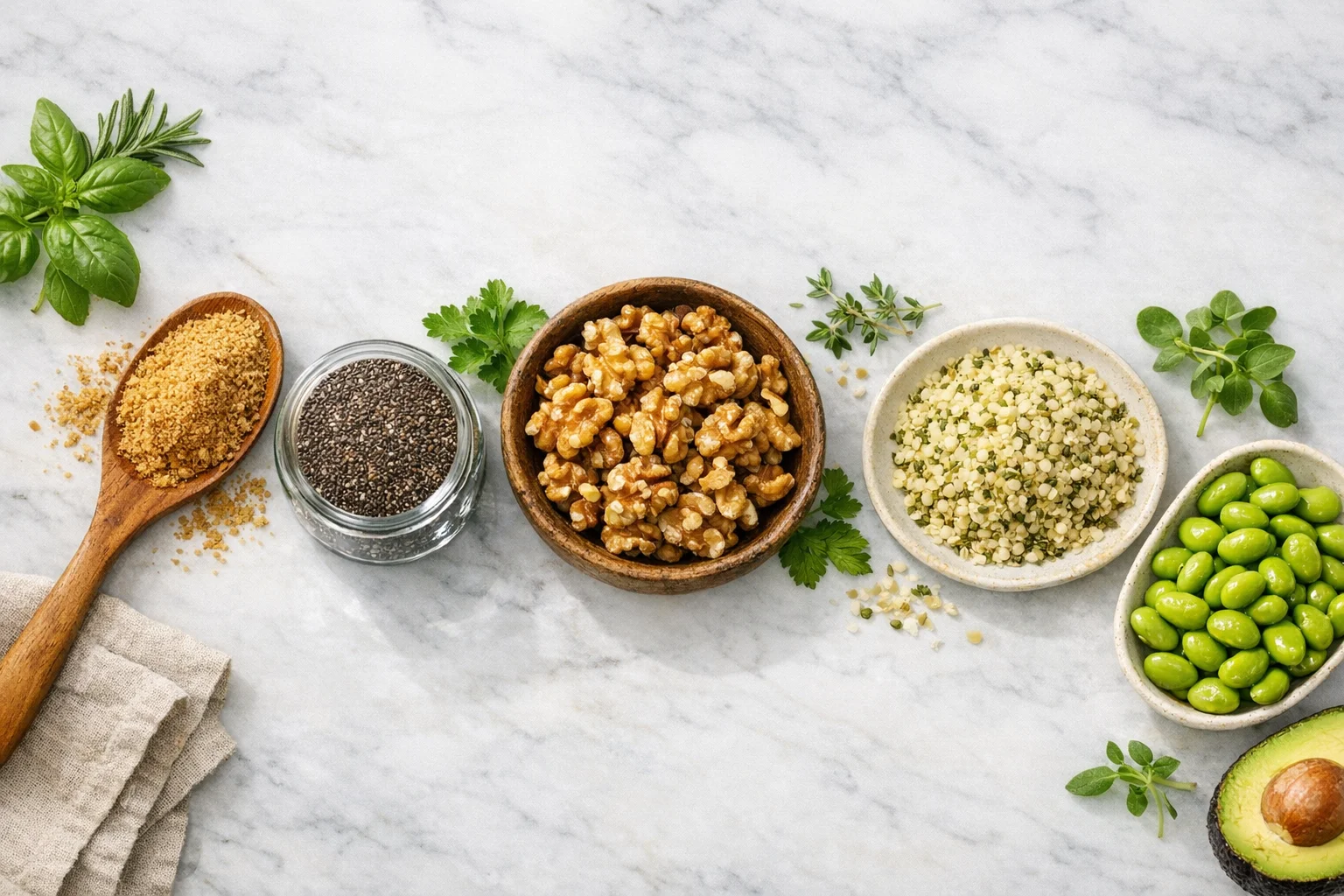
The ALA Conversion Challenge: Separating Fact from Fiction
Your body’s inability to efficiently convert ALA to EPA and DHA isn’t a plant-based limitation—it’s a human limitation. In fact, the conversion is so inefficient that even omnivores often have inadequate EPA and DHA status unless they specifically consume fatty fish regularly. Research shows that conversion rates vary significantly between individuals based on genetics, hormonal status, age, and overall metabolic health. Women tend to convert ALA to EPA more efficiently than men (roughly 2.5x better), but even in women, DHA conversion remains stubbornly low. Some people with genetic variations in the FADS genes (which encode the enzymes responsible for conversion) may have conversion rates as low as 1-3% for DHA. This is why relying solely on flaxseed, chia, or walnuts creates a risky situation: you simply cannot guarantee adequate EPA and DHA status without either eating large amounts of fatty fish regularly or supplementing with algae-derived omega-3s. The scientific consensus is clear: direct EPA and DHA intake is the most reliable way to achieve the omega-3 status associated with optimal cardiovascular and cognitive health, regardless of your diet type.
How Common Is Omega-3 Deficiency?
Omega-3 insufficiency is a global problem, not just a plant-based one. The 2024 Omega-3 World Map study analyzed 54 countries and found most populations have an Omega-3 Index between 4-6%, well below the recommended 8% threshold. Only regions with high fish consumption, like Japan and Scandinavia, consistently reached optimal levels.
This global deficiency pattern reveals an important truth: the problem isn’t plant-based eating specifically — it’s that modern populations, regardless of diet type, consume far too few omega-3 rich foods and far too many omega-6 foods. Blood lipid analysis consistently shows that vegans without supplementation average an Omega-3 Index of 3-4%, while omnivores eating the typical Western diet (with processed foods and vegetable oils) score similarly at 4-5%. Even regular fish consumers average only 5-6% unless they eat fatty fish multiple times per week. Only people who actively prioritize omega-3 intake — through either frequent fatty fish consumption or algae supplementation — consistently achieve the 8%+ range associated with cardiovascular and cognitive protection.
Comparative blood testing is particularly revealing. Research measuring EPA and DHA levels directly in red blood cell membranes shows that vegans without DHA supplementation typically have EPA levels near 0.5-1% of total fatty acids and DHA near 1-2%. By contrast, regular fish consumers average EPA at 3-4% and DHA at 4-5% of total fatty acids. The critical finding: vegans supplementing with just 250 mg/day of algae DHA bring their EPA and DHA levels into the range of fish-eating omnivores within 4-6 weeks. This rapid response demonstrates that the vegan omega-3 “deficiency” is not a metabolic problem — it’s simply an intake problem solved by direct supplementation.
A randomized crossover trial found that vegans supplementing with 250 mg/day of algae DHA significantly increased their blood levels, with diastolic improvements and reduced arterial inflammation markers. A 2021 scoping review of 22 studies confirmed that microalgal oil raised the Omega-3 Index in every study analyzed, while ALA-only sources did not consistently raise DHA — a critical distinction showing that while ALA is essential, it cannot reliably bridge the gap without direct EPA/DHA intake. This is why most plant-based doctors recommend algae supplementation alongside ALA-rich whole foods.
The bottom line: most people worldwide — regardless of diet — aren’t getting enough omega-3s due to modern food systems that promote processed oils over whole foods. However, plant-based eaters who supplement with algae oil and eat ALA-rich foods daily can match or exceed the omega-3 status of the average omnivore. The difference between plant-based and omnivore omega-3 status isn’t inherent — it’s determined entirely by deliberate choices about supplementation and food selection.
What Do Plant-Based Doctors Recommend for Omega-3?
Seven leading whole-food plant-based physicians all agree that omega-3 intake deserves attention on a plant-based diet. Where they differ is on whether supplementation is always necessary or whether whole-food sources can suffice. Here’s what each recommends:
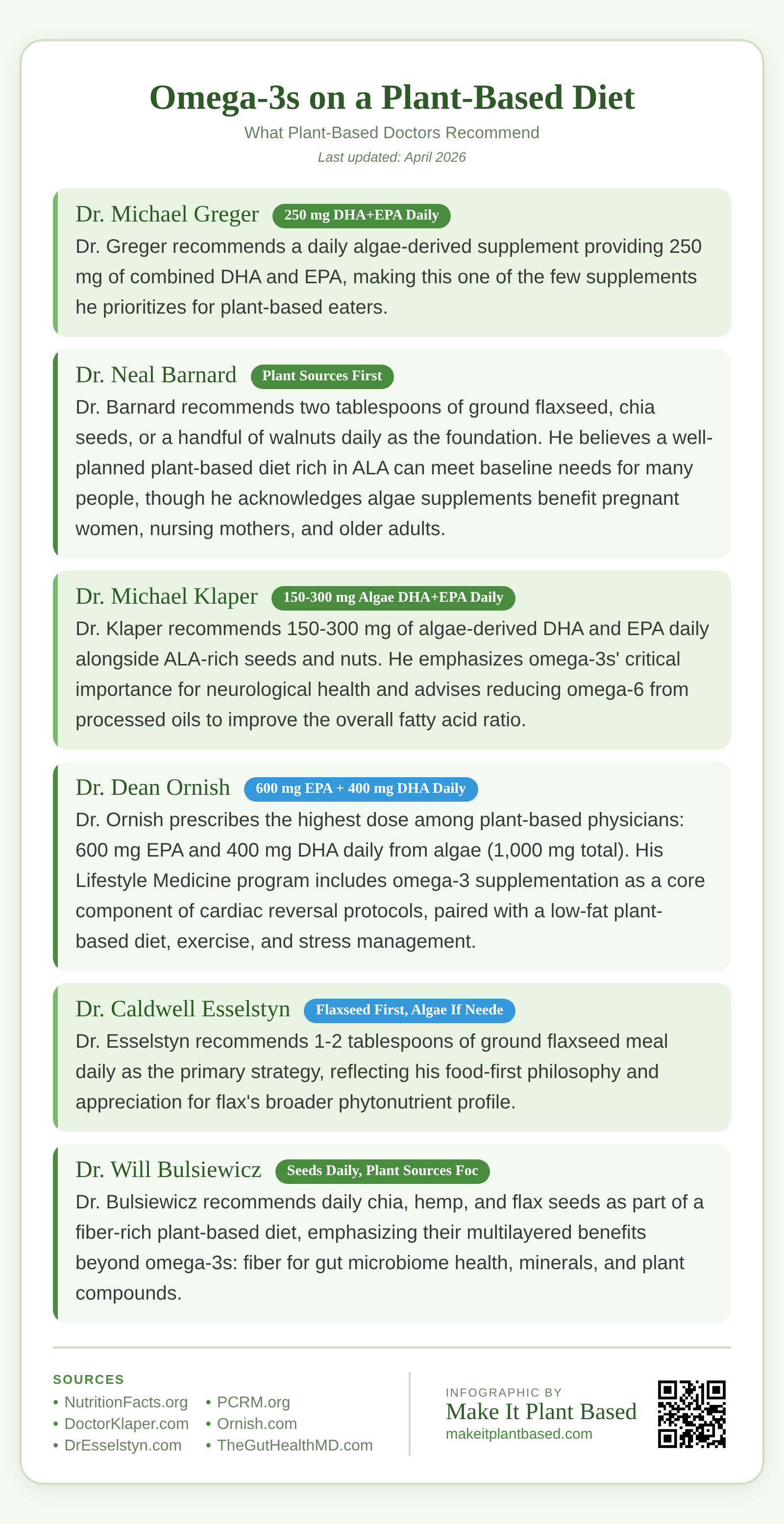
Dr. Michael Greger — 250 mg DHA+EPA Daily
Dr. Greger recommends a daily algae-derived supplement providing 250 mg of combined DHA and EPA, making this one of the few supplements he prioritizes for plant-based eaters. He considers the limited ALA conversion rate (5-10% to EPA, 2-5% to DHA) reason enough to supplement directly. His recommendation is based on synthesis of clinical evidence showing that you cannot reliably achieve adequate blood EPA and DHA levels through plant foods alone. Algae supplementation remains the most practical approach for ensuring plant-based individuals reach the 250+ mg combined EPA+DHA daily intake associated with cardiovascular and cognitive protection.
NutritionFacts.org — Omega-3 Fatty Acids
Dr. Neal Barnard — Plant Sources First
Dr. Barnard recommends two tablespoons of ground flaxseed, chia seeds, or a handful of walnuts daily as the foundation. He believes a well-planned plant-based diet rich in ALA can meet baseline needs for many people, though he acknowledges algae supplements benefit pregnant women, nursing mothers, and older adults. His approach prioritizes whole-food plant sources first while recognizing their conversion limitations. He advocates starting with generous daily ALA-rich foods before adding supplements, though he recognizes that most plant-based eaters benefit from algae oil to ensure adequate EPA and DHA for optimal cardiovascular and cognitive function.
Dr. Joel Fuhrman — 250 mg DHA+EPA Daily + Testing
Dr. Fuhrman recommends 250 mg of combined DHA and EPA from algae oil daily and emphasizes testing your Omega-3 Index to verify effectiveness. He argues that individual conversion rates vary too widely (influenced by genetics, age, and metabolic health) to rely on ALA alone. His protocol combines whole-food ALA sources with direct algae supplementation and biomarker monitoring. He targets an Omega-3 Index above 8% for optimal cardiovascular and cognitive protection. Follow-up testing every 2-3 years verifies the supplement is working optimally for your individual metabolism, allowing dose adjustments based on your specific blood lipid patterns.
DrFuhrman.com — The Need for DHA by Vegans
Dr. Michael Klaper — 150-300 mg Algae DHA+EPA Daily
Dr. Klaper recommends 150-300 mg of algae-derived DHA and EPA daily alongside ALA-rich seeds and nuts. He emphasizes omega-3s’ critical importance for neurological health and advises reducing omega-6 from processed oils to improve the overall fatty acid ratio. His flexible 150-300 mg range accounts for individual variation based on age, genetics, and cardiovascular risk. Plant-based eaters at higher risk for cardiovascular disease benefit from the upper range, while those with strong longevity family histories might maintain health at the lower end. This personalized approach acknowledges that optimal omega-3 intake varies significantly between individuals.
DoctorKlaper.com — Omega-3 Recommendations (Vegan Health Study)
Dr. Dean Ornish — 600 mg EPA + 400 mg DHA Daily
Dr. Ornish prescribes the highest dose among plant-based physicians: 600 mg EPA and 400 mg DHA daily from algae (1,000 mg total). His Lifestyle Medicine program includes omega-3 supplementation as a core component of cardiac reversal protocols, paired with a low-fat plant-based diet, exercise, and stress management. This higher recommendation reflects his emphasis on aggressive cardiovascular disease reversal. Clinical research supports these therapeutic doses for producing measurable improvements in arterial plaque regression, blood pressure reduction, and inflammatory marker reduction in his patient populations. This dose is particularly appropriate for those with established cardiovascular disease.
Ornish.com — What Brand of Omega-3?
Dr. Caldwell Esselstyn — Flaxseed First
Dr. Esselstyn recommends 1-2 tablespoons of ground flaxseed meal daily as the primary strategy, reflecting his food-first philosophy and appreciation for flax’s broader phytonutrient profile. His approach acknowledges flax’s additional benefits beyond omega-3s — including fiber and polyphenols — while recognizing that many plant-based eaters achieve adequate omega-3 status through combining generous ALA intake with modest algae supplementation. He recommends regular cardiovascular biomarker testing to verify your chosen approach maintains optimal blood lipid ratios and inflammatory markers.
DrEsselstyn.com — Nutrition Guide
Dr. Will Bulsiewicz — Seeds Daily, Plant Sources Focus
Dr. Bulsiewicz recommends daily chia, hemp, and flax seeds as part of a fiber-rich plant-based diet, emphasizing their multilayered benefits beyond omega-3s: fiber for gut microbiome health, minerals, and plant compounds. He considers algae supplementation reasonable for additional DHA assurance. His philosophy integrates both ALA from whole-food seeds and direct EPA+DHA supplementation as complementary strategies for optimal omega-3 status. He honors the diversity of plant-based dietary approaches while acknowledging that most people benefit from algae supplementation to reach the blood omega-3 levels associated with cardiovascular and mental health protection.
Signs You May Not Be Getting Enough Omega-3s
Omega-3 deficiency develops gradually and can be easy to overlook. Common signs include dry or flaky skin, brittle nails, difficulty concentrating or brain fog, dry eyes, increased joint stiffness, and mood changes including low-grade anxiety or irritability. Understanding the mechanisms behind these symptoms helps explain why omega-3 status matters even when you feel mostly fine.
Dry or flaky skin occurs because EPA and DHA maintain the structural integrity of cell membranes throughout your body, including skin cells. Insufficient omega-3s weaken the skin barrier, allowing moisture to escape and creating the characteristic dryness and flakiness. This is often one of the earliest visible signs of modest deficiency.
Dry, irritated eyes develop because DHA comprises approximately 30-40% of the fatty acids in your retina — the light-sensitive tissue at the back of your eye. Low DHA reduces tear film stability and causes the discomfort associated with dry eye syndrome. Pregnant people with low DHA often report noticeable improvement in eye comfort after supplementing, as does their developing fetus’s eye health.
Brain fog and difficulty concentrating reflect DHA’s critical role in neuronal membrane fluidity and synaptic function. DHA enables the electrical signaling between neurons and supports the formation of new neural connections (neuroplasticity). When DHA is deficient, cognitive processing slows noticeably — tasks requiring sustained attention become more effortful, working memory feels strained, and information recall takes longer. This cognitive sluggishness often improves dramatically within 4-8 weeks of starting DHA supplementation.
Mood changes, anxiety, and irritability stem from DHA and EPA’s roles in producing neurotransmitters like serotonin and dopamine, and in modulating inflammatory signaling in the brain. Research consistently links low EPA/DHA status to depression, anxiety disorders, and mood instability. EPA in particular has anti-inflammatory effects that reduce neuroimmune activation — overactivity of brain immune cells associated with depression and anxiety.
Joint stiffness and inflammation develop because EPA is a potent anti-inflammatory fatty acid that reduces the production of pro-inflammatory prostaglandins and cytokines. Without adequate EPA, inflammatory signaling throughout your body increases, making joints feel stiff (especially in the morning) and arthritic symptoms more pronounced. Omega-3 supplementation can reduce joint pain and stiffness within 8-12 weeks, as demonstrated in multiple clinical trials.
Hair loss and brittle nails occur because hair follicles and nail beds have exceptionally high metabolic demands and are sensitive to nutritional insufficiency. DHA and EPA support healthy hair growth through improved blood flow and reduced inflammation at the hair follicle. Brittle nails similarly reflect membrane weakness from EPA/DHA deficiency.
Long-term insufficiency has been linked to elevated inflammatory markers (C-reactive protein, IL-6, TNF-alpha) and increased cardiovascular risk. If you’re experiencing several of these symptoms, ask your doctor about an Omega-3 Index blood test — a simple test measuring EPA and DHA in your red blood cell membranes. Below 4% is considered deficient, 4-8% moderate, and above 8% optimal. Testing removes guesswork and allows you to track whether your supplementation strategy is working.
How to Get Enough Omega-3s on a Plant-Based Diet
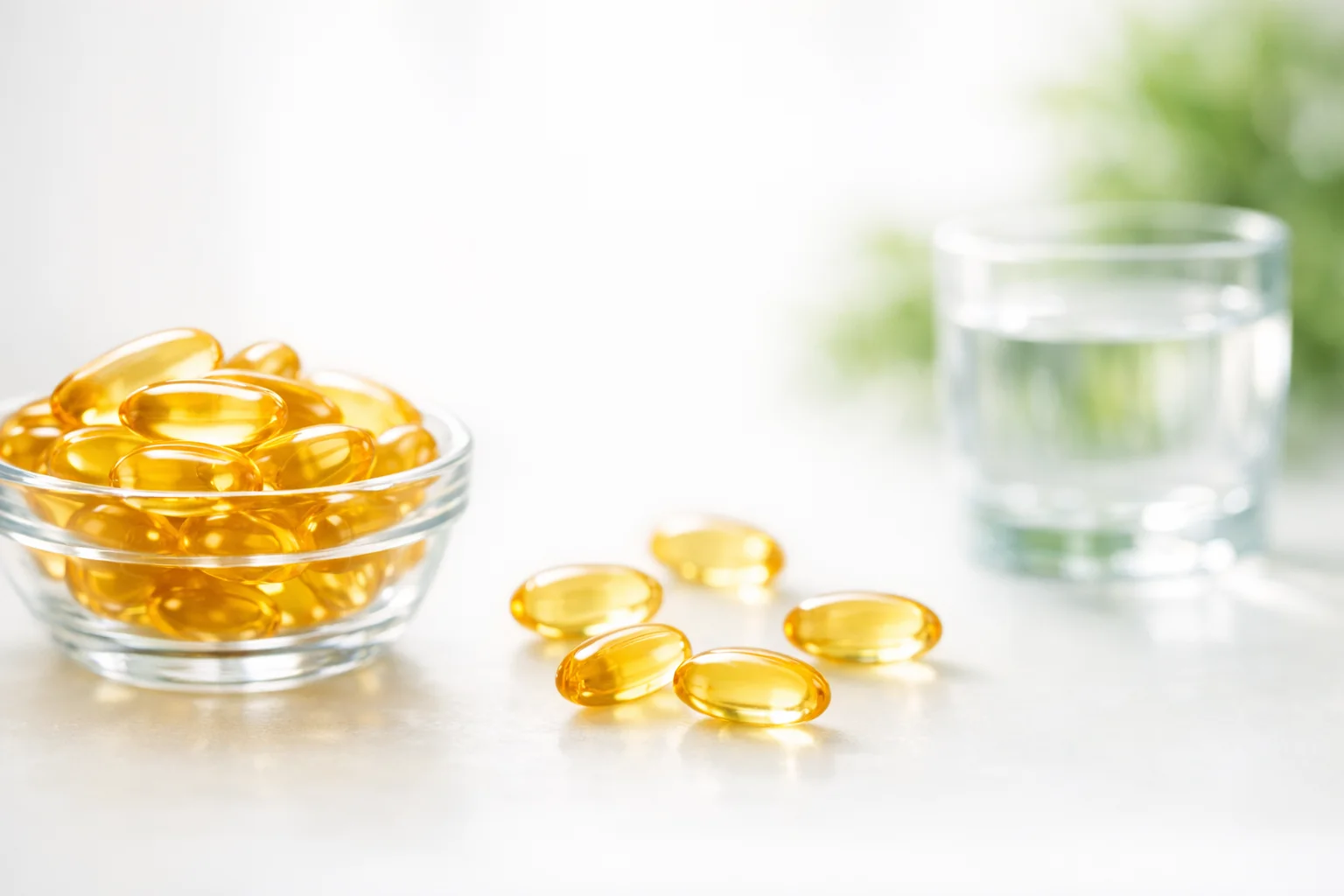
Getting adequate omega-3s on a plant-based diet comes down to two strategies: eating ALA-rich whole foods daily and, for most people, adding an algae-based DHA/EPA supplement.
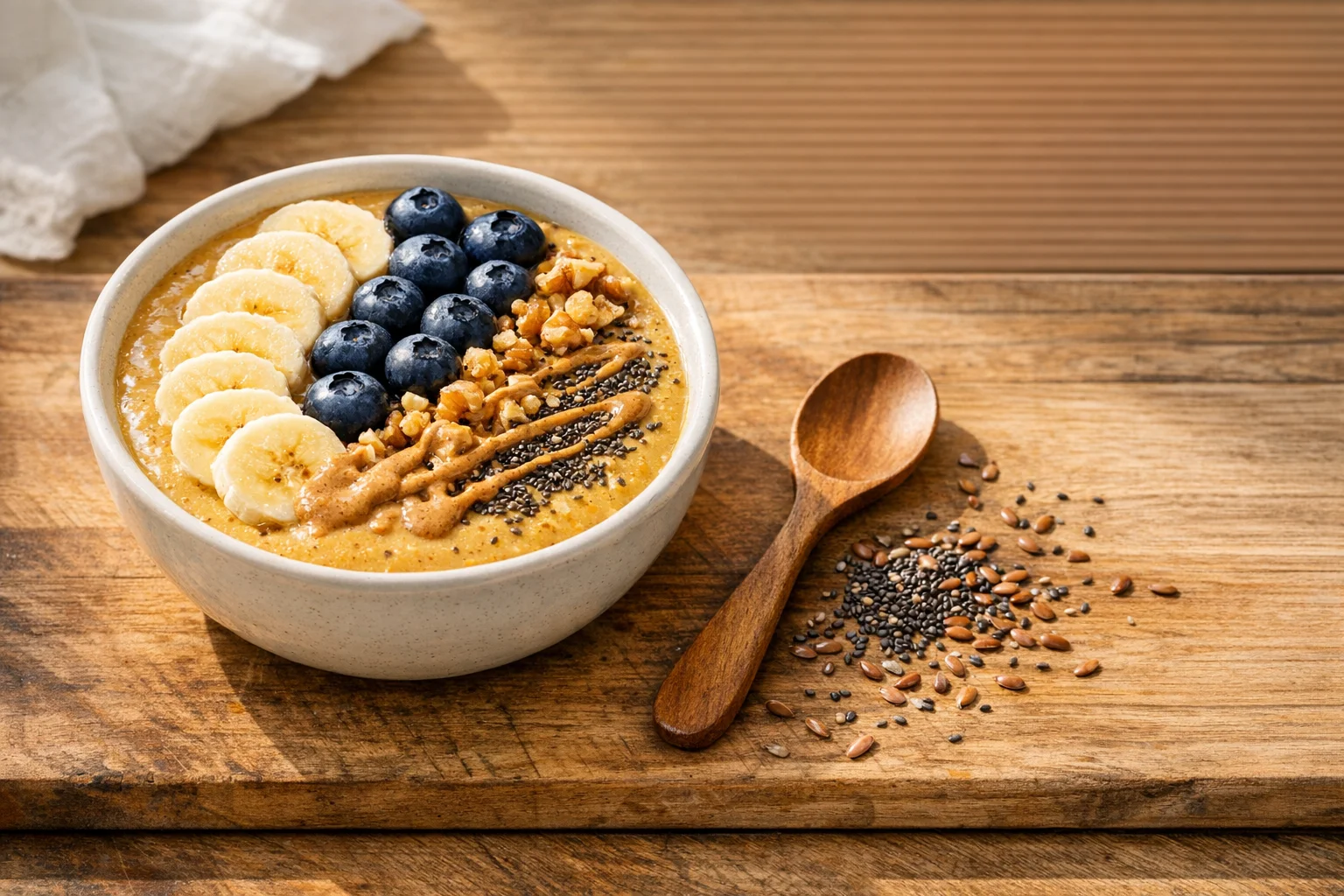
Daily ALA foundations: Include 1-2 tablespoons of ground flaxseed (2.35g ALA per tablespoon), a tablespoon of chia seeds (1.75g ALA), or a quarter cup of walnuts (2.57g ALA) in your meals. Add them to oatmeal, smoothies, salads, or puddings. Hemp seeds provide a good omega-3 to omega-6 balance and a mild, nutty flavor.
DHA/EPA supplementation: Most plant-based doctors recommend 250-300 mg of combined DHA and EPA from algae oil daily. Look for supplements labeled “algae-derived” or “microalgal.” If you’re pregnant or nursing, consult your doctor — higher doses (up to 600 mg DHA) are often recommended for fetal brain development.
Reduce omega-6 competition: Minimize processed oils high in omega-6 (corn, soybean, safflower, sunflower) and choose whole-food fat sources instead. Reducing the ratio from the typical 15:1 down toward 4:1 helps your body convert more ALA into EPA and DHA.
Choosing the Right Algae Supplement: DHA vs EPA Ratios
Not all algae supplements are created equal. Most algae oil supplements are derived from microalgae species like Phaeodactylum tricornutum or Nannochloropsis, and they vary significantly in their EPA-to-DHA ratios. Understanding these ratios helps you choose the supplement that best matches your health goals.
High-DHA supplements (typically 250+ mg DHA with minimal EPA) are the standard offering from brands like Deva, Ovega, and Nordic Naturals. These prioritize DHA because it’s the omega-3 form most critical for brain and eye health.
Balanced EPA+DHA supplements provide roughly equal amounts of both—for example, 150 mg DHA + 100 mg EPA per serving. These are ideal for cardiovascular health since EPA has stronger anti-inflammatory properties and is more effective at improving triglyceride levels.
When shopping for algae supplements, check the label for the exact amounts of EPA and DHA separately. Also verify that the supplement is third-party tested (NSF, USP, or ConsumerLab seal) to ensure purity and label accuracy.
Sample Day of Omega-3 Eating: Hitting Your Targets
Here’s a practical plant-based day reaching 250+ mg EPA+DHA through food plus supplementation:
Breakfast: Oatmeal with 1 tablespoon ground flaxseed (1,600 mg ALA) plus soy milk and blueberries.
Lunch: Salad with 1/4 cup walnuts (2,600 mg ALA), greens, hummus, and whole grain bread.
Snack: Chia seed pudding with 2 tablespoons chia seeds (2,000 mg ALA).
Dinner: Buddha bowl with quinoa, roasted vegetables, tahini, and chickpeas.
Supplement: 250 mg algae oil with breakfast for direct EPA+DHA.
This provides ~6,200 mg ALA from food plus 250 mg from algae = over 300 mg total omega-3 daily. The strategy gains ALA’s phytonutrients from whole foods while supplementation ensures you meet EPA+DHA targets regardless of individual conversion rates.
ALA vs. DHA & EPA: Do You Need Both?
ALA is the essential omega-3 — your body cannot make it, so it must come from food. It serves as the precursor for EPA and DHA. EPA is primarily anti-inflammatory, supporting cardiovascular health and mood regulation. DHA is the structural omega-3, concentrated in your brain and retina where it forms a significant part of cell membranes and enables neuronal signaling.
The conversion challenge: Your body can theoretically convert ALA into EPA and DHA through a series of enzyme-catalyzed steps, but this process is remarkably inefficient. On average, healthy adults convert only 5-10% of dietary ALA into EPA, and a mere 2-5% into DHA — meaning roughly 90-95% of ALA is used for energy or stored as body fat rather than converted into the long-chain omega-3s your brain and heart need. To put this in perspective: consuming 2,000 mg of ALA (equivalent to about 1 tablespoon of ground flaxseed daily) yields only 100-200 mg of EPA and 40-100 mg of DHA — roughly half the 250+ mg combined EPA+DHA that most health experts recommend.
Conversion varies widely between individuals: Not everyone converts ALA equally. Women convert ALA to EPA roughly 2.5x more efficiently than men, likely due to hormonal differences — but this advantage doesn’t extend to DHA conversion, which remains stubbornly low across both sexes. Genetics play a major role: people with certain variants in the FADS genes (which encode the enzymes responsible for the conversion process) may have conversion rates as low as 1-3% for DHA, while others convert at the higher end of the normal range. Age, metabolic health, insulin sensitivity, and thyroid function all influence conversion capacity. Pregnancy increases conversion efficiency by roughly 50% — a beneficial adaptation supporting fetal brain development — but this elevated rate drops back to normal postpartum.
Retroconversion and metabolic adaptation: An often-overlooked mechanism called retroconversion adds complexity to the ALA conversion story. Your body can convert excess EPA back into ALA, and the enzymes responsible for ALA→EPA conversion are bidirectional. This means your body actively maintains balance rather than simply converting ALA in one direction. When you consume very high amounts of ALA, your body doesn’t exponentially increase EPA and DHA production — instead, some of the EPA gets converted back to ALA, limiting the final DHA accumulation. Additionally, your body adapts to chronic ALA intake: those consuming flaxseed and chia daily for years show slightly better conversion rates than people eating these foods sporadically, suggesting some metabolic adaptation occurs. However, even with this adaptation, conversion rates rarely exceed 15% for EPA and 8% for DHA in long-term plant-based eaters.
Omega-6 competition matters more than you might think: ALA and omega-6 linoleic acid compete for the same enzymes (delta-12 and delta-15 desaturases) in the conversion pathway. In people consuming high amounts of omega-6 from processed oils (which is most of the modern population), this competition severely impairs ALA conversion. Research shows that lowering the omega-6 to omega-3 ratio from the typical Western diet ratio of 15-20:1 down to a more optimal 4:1 can boost ALA conversion to EPA by approximately 50%, though DHA conversion remains largely unaffected by this ratio. This explains why some plant-based physicians recommend minimizing processed oils as vigorously as maximizing ALA-rich whole foods.
Can ALA alone do the job? For basic health in young adults with no family history of cardiovascular disease or cognitive decline, generous ALA intake (2+ tablespoons daily of flaxseed or chia) combined with a very low omega-6 diet may provide marginal adequacy. However, most clinicians agree this is suboptimal. For optimal brain health, cardiovascular protection, pregnancy and nursing, aging, and anyone with a family history of heart disease, cognitive decline, or depression, direct DHA/EPA from algae supplementation is far more reliable than attempting to meet needs through ALA conversion alone.
Practical recommendation framework: Consider your individual needs when deciding between ALA-only, ALA-plus-supplementation, or higher supplementation doses. Young adults (18-40) without cardiovascular or cognitive risk factors might try 1-2 tablespoons of ground flaxseed daily for 3 months, then request an Omega-3 Index blood test to assess whether conversion is adequate (looking for EPA+DHA above 4%). If testing shows an index below 4%, supplementation becomes important. Adults over 40, anyone pregnant or nursing, those with a family history of heart disease or dementia, people with diagnosed depression or anxiety, or those with inflammatory conditions should begin with algae supplementation immediately alongside ALA-rich foods rather than experimenting with food sources alone. A cross-sectional study found that vegans responded robustly to algal DHA supplementation, normalizing blood levels within weeks, demonstrating that supplementation effectively bypasses the conversion bottleneck entirely.
Frequently Asked Questions
Can you get enough omega-3 on a vegan diet without supplements?
You can meet your ALA needs from flaxseed, chia seeds, and walnuts. However, most plant-based doctors recommend an algae-based DHA/EPA supplement since ALA conversion to DHA is limited (typically 2-5%). If you skip supplementation, prioritize generous daily ALA intake and minimize omega-6 oils.
What is the best plant-based source of omega-3?
Ground flaxseed is the richest whole-food source of ALA at about 2.35 grams per tablespoon. For DHA and EPA, algae oil supplements are the most effective plant-based source — providing the same long-chain omega-3s found in fish without mercury or PCBs.
Is algae omega-3 as good as fish oil?
Yes. A 2024 comparative bioavailability study confirmed that algae-derived DHA is comparable to fish oil in terms of absorption and effectiveness. Since fish get their omega-3s from algae in the first place, algae supplements simply cut out the middleman while avoiding heavy metals, microplastics, and the ecological impact of commercial fishing.
How much omega-3 do I need per day on a plant-based diet?
Most plant-based physicians recommend 1-2 tablespoons of ground flaxseed or chia seeds daily for ALA, plus 250-300 mg of combined DHA and EPA from an algae supplement. Dr. Ornish recommends higher doses (up to 1,000 mg combined) for patients in cardiac reversal programs. The general adequate intake for ALA is 1.1-1.6 grams per day.
Does cooking destroy omega-3 in flaxseed?
Moderate heat does not significantly destroy the ALA in flaxseed — baking at standard temperatures preserves most omega-3 content. However, grinding is essential since whole flaxseeds pass through your system intact. Store ground flaxseed in the refrigerator to prevent oxidation.
Take the guesswork out of plant-based nutrition.
Explore our evidence-based guides on the nutrients that matter most.
Browse All Nutrient Guides