
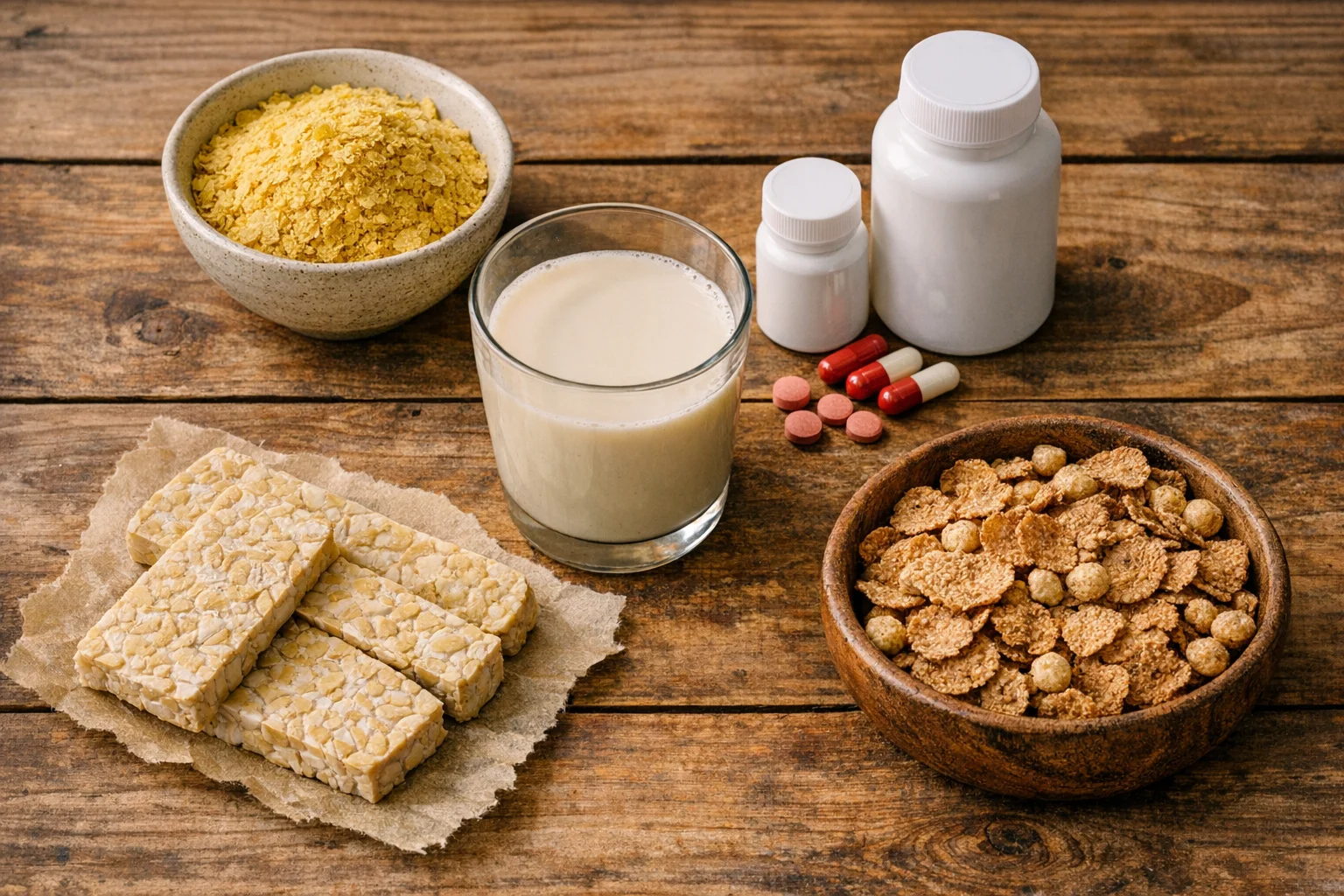
If you’re considering a whole-food plant-based diet — or you’re already eating one — you’ve probably heard that vitamin B12 is the one nutrient you simply cannot ignore. And that’s true. But here’s what most people don’t realize: B12 supplementation isn’t just a “vegan problem.” The majority of the world’s synthetic B12 is actually fed to farmed animals, meaning that even meat eaters are getting their B12 through supplementation — just indirectly.
In this article, we’ll break down everything you need to know about vitamin B12 on a plant-based diet, including what the leading plant-based doctors recommend, why deficiency is more common than you think, and exactly how to make sure you’re getting enough.
What Is Vitamin B12 and Why Does It Matter?
Vitamin B12 (cobalamin) is an essential nutrient that plays a critical role in nerve function, red blood cell formation, and DNA synthesis. Without adequate B12, you risk serious health consequences including irreversible nerve damage, megaloblastic anemia, cognitive decline, and fatigue. B12 is unique among vitamins because it is produced exclusively by certain bacteria and archaea — not by plants or animals directly. In our bodies, B12 exists in several active forms. The two most important are methylcobalamin, which is the primary form your nervous system uses for maintaining myelin (the protective coating around nerve fibers) and supporting cognitive function; and adenosylcobalamin, which is essential for energy production in your mitochondria and plays a crucial role in processing fatty acids and amino acids. Both forms work synergistically to maintain nerve health, support brain function, and enable the production of new DNA during cell division. This is why B12 deficiency can manifest as both neurological and mental health symptoms (tingling, numbness, weakness) and systemic issues (fatigue, memory problems, difficulty concentrating). Because your body relies on B12 for so many fundamental processes, even a slight deficiency can have cascading effects on your overall health and vitality.
The Animal Agriculture B12 Myth: Everyone Is Supplementing
One of the most common arguments against plant-based diets is: “You have to take supplements — that’s not natural.” But this argument falls apart under scrutiny. According to research on global B12 production, an estimated 55 to 90 percent of the world’s synthetic vitamin B12 production goes directly into animal feed (Free From Harm). Pigs and chickens, in particular, must receive B12 supplementation in their feed because they too are not naturally exposed to adequate B12 in their modern farming environ on a plant-based dietments. When you eat meat, dairy, or eggs from farmed animals, you’re essentially consuming second-hand synthetic B12 that was added to their feed. The only difference between a plant-based person taking a B12 supplement and a meat eater is the middleman. Here’s the critical fact: B12 deficiency is not a plant-based problem—it’s a modern problem. Modern sanitation has eliminated the soil bacteria that historically provided B12, and conventional farming practices destroy these bacteria in the soil. Even non-vegans struggle with B12 status. Studies suggest that up to 40% of the general adult population may have low B12 levels or subclinical deficiency, regardless of diet. If you eat meat and think you’re getting “natural” B12, you should know that without commercial farming practices that add B12 to animal feed, the animals themselves would be deficient. The real choice isn’t between “natural” and supplements—it’s between choosing a supplement yourself (and knowing exactly what you’re getting) or relying on animal agriculture’s choice of supplements for you.
Use the Daily Nutrient Needs Calculator to find your personal B12 target, or the Ingredient Nutrient Lookup to check B12 in any fortified food.
How Common Is B12 Deficiency?
B12 deficiency is far more widespread than most people realize — and it’s not limited to vegans. A 2024 systematic review and meta-analysis published in the European Journal of Nutrition found that 52% of vegan individuals had deficient B12 concentrations (below 156 pmol/L), compared to just 1% of omnivores. Another comprehensive review of literature found subnormal B12 status in 50–70% of vegetarians and vegans across multiple countries.
But here’s the critical context that often gets overlooked: the general population also struggles significantly with B12 status. Research indicates that up to 40% of the general adult population may have low or suboptimal B12 levels, regardless of diet. This means B12 deficiency is not a “vegan problem” — it’s a modern population-wide challenge. Factors contributing to this widespread deficiency in omnivores include decreased stomach acid production with age, use of medications like metformin and proton pump inhibitors that impair B12 absorption, and digestive conditions such as Crohn’s disease and celiac disease that affect nutrient absorption. The difference is that plant-based individuals have an obvious, preventable solution through supplementation, whereas many meat eaters remain unaware of their suboptimal status because they assume their diet is sufficient. Recent epidemiological data suggests that low B12 prevalence increases steeply after age 50 across all dietary groups — another reminder that B12 status is fundamentally a question of modern food systems and aging physiology, not diet type.
Crucially, a 2024 scoping review also confirmed that vegans who supplement B12 show significant improvements across all biomarkers compared to unsupplemented vegans — demonstrating that this is an entirely preventable problem. Once supplementation begins, B12 levels normalize quickly, and all deficiency-related symptoms can be prevented or reversed if caught early enough.
What Do Plant-Based Doctors Recommend for B12?
The leading whole-food plant-based physicians are unanimous: everyone on a plant-based diet must supplement B12. However, their specific dosage recommendations vary slightly. Here’s what the top doctors advise:
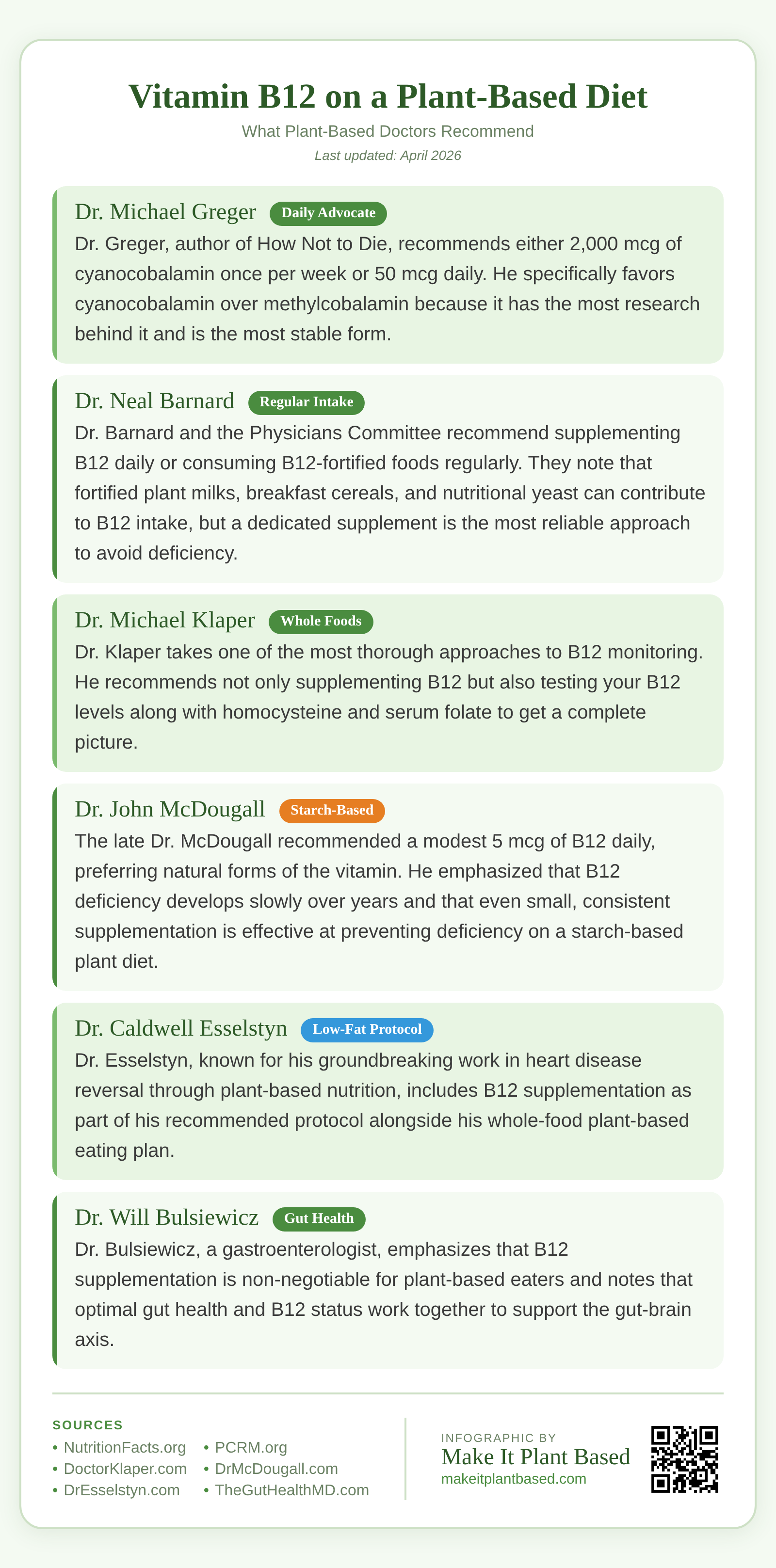
Dr. Michael Greger (NutritionFacts.org)
Dr. Greger, author of How Not to Die, recommends either 2,000 mcg of cyanocobalamin once per week or 50 mcg daily. He specifically favors cyanocobalamin over methylcobalamin because it has the most research behind it and is the most stable form. For adults over 65, he recommends increasing to 1,000 mcg daily. (NutritionFacts.org — Optimum Nutrient Recommendations) Dr. Greger’s evidence-based recommendation comes from analyzing B12 absorption rates and bioavailability. He emphasizes that cyanocobalamin is the most rigorously studied form across decades of clinical research, making it the gold standard for evidence-based supplementation. The two-pronged approach he offers (high-dose weekly or low-dose daily) recognizes that individual absorption patterns vary, and both protocols achieve the same outcome when followed consistently. For older adults, absorption efficiency declines significantly due to reduced intrinsic factor and stomach acid production, making higher doses necessary to maintain optimal B12 status and prevent neurological decline.
Dr. Neal Barnard (Physicians Committee for Responsible Medicine)
Dr. Barnard and the Physicians Committee recommend supplementing B12 daily or consuming B12-fortified foods regularly. They note that fortified plant milks, breakfast cereals, and nutritional yeast can contribute to B12 intake, but a dedicated supplement is the most reliable approach to avoid deficiency. (PCRM — What Supplements Do Vegans Need?) Dr. Barnard’s practical recommendation prioritizes convenience and long-term compliance. His approach acknowledges that fortified foods can form part of a B12 strategy but stresses that relying on them alone creates too much variability in intake. The daily supplementation approach is simple to remember and integrates easily into routine vitamin regimens. He emphasizes that oral supplements work effectively for most people, eliminating the need for injections except in cases of severe malabsorption, making this an accessible and straightforward path to maintaining optimal B12 status across the lifespan.
Dr. Michael Klaper
Dr. Klaper takes one of the most thorough approaches to B12 monitoring. He recommends not only supplementing B12 but also testing your B12 levels along with homocysteine and serum folate on a plant-based diet to get a complete picture. He advises patients to maintain B12 levels well above 600 ng/L — far higher than the commonly cited lower limit of 200 ng/L, noting that many people experience ill effects at low-normal levels. (DoctorKlaper.com — Vitamin B12 Basics) Dr. Klaper emphasizes flexibility in supplementation strategies. Whether you prefer weekly high-dose supplementation or daily lower-dose supplementation, the key is consistency and choosing a protocol you’ll actually stick with long-term. He notes that cyanocobalamin supplements are affordable, widely available, and have an excellent safety profile even at high doses.
Dr. Caldwell Esselstyn
Dr. Esselstyn, known for his groundbreaking work in heart disease reversal through plant-based nutrition, includes B12 supplementation as part of his recommended protocol alongside his whole-food plant-based eating plan. Dr. Esselstyn integrates B12 supplementation into a comprehensive whole-foods, plant-based approach. He notes that while B12 is the one supplement all plant-based eaters need, this is not a drawback but rather a simple, proven intervention backed by decades of clinical experience and excellent outcomes in his patient populations.
B12 Across the Lifespan: Different Needs at Every Age
B12 requirements and absorption patterns change significantly throughout life. Understanding these differences helps ensure you maintain adequate B12 status at every stage of development and aging.
B12 During Pregnancy and Lactation
Pregnant and nursing plant-based individuals need to be especially vigilant about B12 status, as deficiency during pregnancy is associated with increased risk of neural tube defects and developmental delays in infants. The recommended intake increases to 2.6 mcg daily during pregnancy (up from 2.4 mcg for non-pregnant adults), and B12 is transferred to the fetus and later through breast milk. It’s crucial to maintain consistent B12 supplementation before conception and throughout pregnancy and lactation. Many plant-based healthcare providers recommend increasing supplementation to ensure robust maternal stores that will protect both mother and baby.
B12 in Children and Adolescents
Young plant-based children require proportionally smaller doses than adults (0.9 mcg daily for ages 4-8, increasing to 2.4 mcg by age 14), but their growing brains depend absolutely on consistent B12. Infants exclusively breastfed from plant-based mothers need supplementation starting at birth if the mother’s B12 status isn’t optimal. Many plant-based families find it easiest to include B12-fortified plant milk, nutritional yeast, or age-appropriate supplements in daily routines. The good news is that childhood is the ideal time to establish the habit of B12 supplementation, creating patterns that will last a lifetime.
B12 in Older Adults: Absorption Decline with Age
This is perhaps the most critical lifespan consideration: B12 absorption efficiency declines significantly with age, regardless of diet. After age 50, the majority of people (both plant-based and omnivores) absorb B12 less efficiently because stomach acid production decreases and intrinsic factor—the protein needed to bind and absorb B12—becomes less available. This means that older plant-based individuals should prioritize supplementation strategies that bypass the digestive system when possible. Many gerontologists recommend that plant-based adults over 65 increase their B12 supplementation to 1,000 mcg daily or maintain weekly 2,000 mcg supplementation. Some healthcare providers suggest alternating injection protocols (monthly or quarterly) for those over 70 to ensure maximum absorption. Regular B12 testing becomes even more important in older age to catch declining status before neurological symptoms develop.

Symptoms of Vitamin B12 Deficiency
B12 deficiency can develop gradually over months or even years, making it easy to miss in the early stages. According to the NIH’s review on B12 and plant-based diets, common symptoms include:
- Persistent fatigue and weakness that doesn’t improve with rest
- Tingling or numbness in the hands and feet (peripheral neuropathy)
- Difficulty with balance and coordination
- Cognitive issues such as memory problems, brain fog, and difficulty concentrating
- Mood changes including mental health and depression on a plant-based diet and irritability
- Pale or yellowish skin (due to megaloblastic anemia)
- Glossitis (a swollen, inflamed tongue)
Understanding Neurological Symptoms: The Brain and Nerve Connection
The neurological manifestations of B12 deficiency deserve special attention because they represent some of the most serious potential consequences of prolonged deficiency. B12 is absolutely essential for maintaining myelin — the protective covering around nerve fibers that allows electrical impulses to travel efficiently through the nervous system. When B12 levels fall, myelin begins to deteriorate, leading to peripheral neuropathy (nerve damage in the hands and feet) that progresses from tingling sensations to genuine pain and weakness. Some individuals experience a condition called subacute combined degeneration (SCD), where B12 deficiency causes simultaneous damage to multiple nerve pathways in the spinal cord, resulting in weakness, ataxia (uncoordinated movement), and difficulty walking. Cognitive symptoms — memory loss, difficulty concentrating, confusion, and in severe cases dementia-like presentations — occur because B12 is critical for producing and maintaining neurotransmitters and supporting the health of brain cells themselves.
The concerning aspect of neurological B12 deficiency is that some damage can become irreversible if deficiency persists long enough. However, early detection and aggressive supplementation can arrest or even reverse many symptoms, especially if caught within the first months of neurological onset. This is why monitoring is crucial: fatigue and brain fog alone might seem manageable, but they are warning signs that more serious nerve damage may be developing.
Reversibility Timeline: When Treatment Works
The timeline for symptom reversal varies depending on how long deficiency has been present and the severity of neurological damage. Hematologic symptoms (fatigue, anemia-related symptoms) typically improve within weeks of starting supplementation, sometimes dramatically. Cognitive symptoms and mood changes often improve within 2-4 weeks as neurotransmitter production normalizes. Peripheral neuropathy symptoms begin improving within weeks to months, though full resolution of nerve damage can take 6 months to a year or longer depending on the extent of myelin deterioration. However, if severe neurological damage has occurred, some residual symptoms may persist permanently. This underscores why prevention through consistent supplementation is far preferable to treating an advanced deficiency.
If you experience any of these symptoms, ask your doctor to check your B12 levels. As Dr. Klaper recommends, request a complete panel including serum B12, homocysteine, and methylmalonic acid (MMA) for the most accurate assessment. Early detection is your best insurance against neurological complications.
How to Get Enough B12 on a Plant-Based Diet
There are two reliable strategies for maintaining healthy B12 levels on a plant-based diet:
1. Take a B12 Supplement
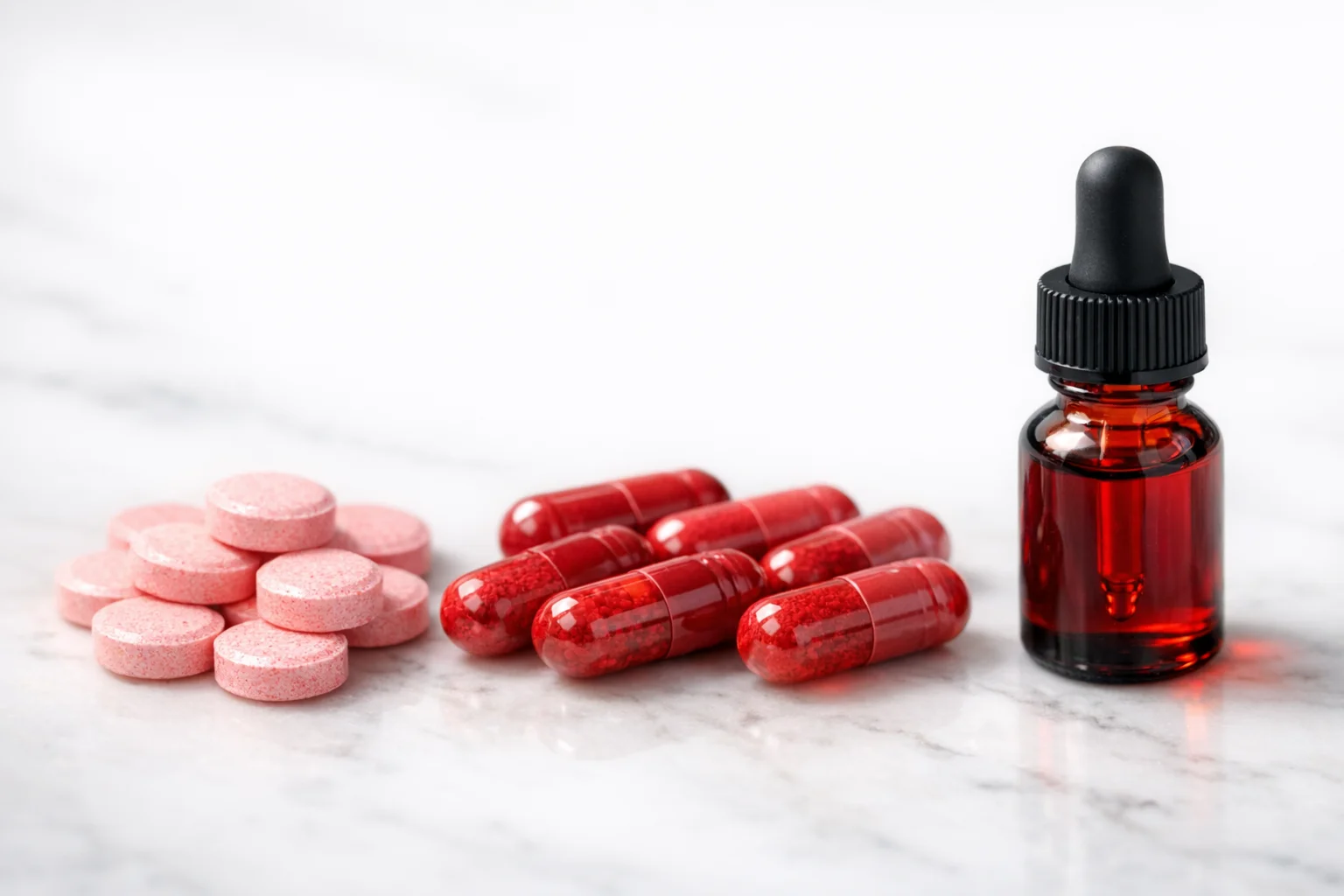
This is the simplest and most reliable method. Based on the consensus among plant-based physicians, here are the most common supplementation approaches:
- Daily low dose: 50–75 mcg of cyanocobalamin or methylcobalamin
- Weekly high dose: 2,000–2,500 mcg of cyanocobalamin once per week
B12 is a water-soluble vitamin, so your body will simply excrete any excess. There is no known toxicity from high-dose B12 supplementation, making it safe to err on the side of taking more rather than less.
2. Eat B12-Fortified Foods
Many plant-based foods are fortified with B12, including:
- Fortified plant milks (soy, almond, oat)
- Nutritional yeast (check the label — not all brands are fortified)
- Fortified breakfast cereals
- Fortified meat alternatives
However, relying solely on fortified foods can be inconsistent. Most plant-based doctors recommend supplementation as the primary strategy, with fortified foods as an additional source.
Cyanocobalamin vs. Methylcobalamin: Which Form Is Best?
This is one of the most common questions about B12 supplementation, and the answer involves understanding how your body actually uses B12 at the cellular level.
The Science Behind the Forms
Cyanocobalamin (recommended by Dr. Greger) contains a cyanide molecule attached to the cobalt core. This sounds concerning, but the amount of cyanide in a B12 supplement is negligible — your body excretes the cyanide harmlessly through your kidneys. Once in your system, your body’s enzymes remove the cyanide and convert cyanocobalamin into the active forms: methylcobalamin (for nervous system and cognitive support) and adenosylcobalamin (for energy metabolism). This conversion happens efficiently in most people, even in older adults.
Conversion Efficiency and Individual Variation
Here’s the critical nuance: most people convert cyanocobalamin to methylcobalamin efficiently. However, certain populations may have reduced conversion efficiency, including older adults, individuals with genetic variations in B12 metabolism pathways (such as polymorphisms in the methylenetetrahydrofolate reductase gene, or MTHFR), and people with certain kidney conditions. Smokers may also benefit from methylcobalamin because their bodies are chronically dealing with detoxification burden from cigarette smoke. If you’ve been supplementing with cyanocobalamin but still have symptoms, switching to methylcobalamin might help — though this is relatively rare.
Cost and Availability Comparison
Cyanocobalamin is significantly cheaper because it’s been in production longer and has multiple manufacturers. A month’s supply of high-dose weekly cyanocobalamin supplements typically costs $5-15. Methylcobalamin is generally 2-3 times more expensive due to smaller market share and more complex production. If cost is a consideration (and for many people, it is), cyanocobalamin offers excellent value without sacrificing efficacy.
The bottom line: For the vast majority of people, cyanocobalamin is effective, affordable, and backed by the most research. It’s the ideal first choice. If you supplement with cyanocobalamin but continue experiencing neurological symptoms or have identified metabolic factors that affect conversion, methylcobalamin is a reasonable alternative to trial. The most important thing is that you take B12 consistently, regardless of which form you choose.
Frequently Asked Questions
Do I really need to take B12 on a plant-based diet?
Yes, absolutely. Vitamin B12 is not reliably found in unfortified plant foods. Every major plant-based physician — from Dr. Greger to Dr. Barnard to Dr. Klaper — agrees that B12 supplementation is essential for anyone eating a fully plant-based diet. Without supplementation, you risk serious neurological damage over time.
Can I get B12 from plant foods without supplementing?
No reliable plant source provides adequate B12. While some fermented foods, algae (like spirulina), and mushrooms contain trace amounts or B12 analogues, these are not considered reliable sources by medical professionals. Fortified foods can help, but a supplement is the safest approach.
How do vegans get B12 without supplements?
Historically, humans obtained B12 from bacteria present in soil, untreated water, and on unwashed produce. Modern sanitation and agricultural practices have largely eliminated these natural sources. Today, the only reliable ways to get B12 on a plant-based diet are through supplements or fortified foods.
Is B12 deficiency really common?
Yes, and not just among vegans. A 2024 meta-analysis found that 52% of vegans have deficient B12 levels when unsupplemented. Dr. Will Bulsiewicz notes that up to 40% of the U.S. population may have suboptimal B12 levels overall. Deficiency risk increases with age, certain medications (like metformin and proton pump inhibitors), and digestive conditions.
Where do vitamin B12 supplements come from — are they vegan?
Yes. Virtually all B12 supplements are produced through bacterial fermentation, not derived from animal sources. The bacteria are cultured in controlled environments to produce B12, which is then purified for use in supplements. This is the same process used to produce the B12 that is added to animal feed.
Take the guesswork out of plant-based nutrition.
Explore our evidence-based guides on the nutrients that matter most.
Browse All Nutrient Guides