
![Choline on a Plant-Based Diet: The Overlooked Nutrient You Need to Know [2026]](https://makeitplantbased.com/images/articles/choline-plant-based-diet/choline-plant-based-diet-featured.webp)
In 2019, sensational headlines emerged across news outlets: “Vegan Diets Linked to Brain Damage,” “Plant-Based Diets Dangerously Low in Choline.” These alarming stories stemmed from an opinion piece in the British Medical Journal that sparked widespread concern among plant-based eaters. But here’s what the headlines didn’t reveal: the article wasn’t peer-reviewed research, the author had undisclosed conflicts of interest tied to the meat industry, and the actual science tells a different story entirely.
While choline is indeed an essential nutrient your body cannot do without, the claim that plant-based diets are uniquely problematic in providing it lacks solid evidence. In fact, plant-based choline sources come with cardiovascular advantages that animal sources don’t provide. This article cuts through the hype, explores the actual science, and shares practical guidance from leading plant-based doctors on optimizing your choline intake.
What Is Choline?
Choline is an essential micronutrient your body requires for critical functions. Your cells use it to build cell membranes, your brain uses it to produce acetylcholine (essential for memory and learning), and your liver depends on it to prevent fat accumulation. During pregnancy, adequate choline is critical for fetal brain development.
At the cellular level, choline serves three major functions: First, your body converts choline into phosphatidylcholine, a primary structural component of cell membranes that maintains cellular integrity and fluidity. Every cell in your body—from nerve cells to muscle fiber on a plant-based diets—depends on phosphatidylcholine to maintain proper function. Second, choline is the precursor for acetylcholine, a critical neurotransmitter that enables communication between nerve cells and muscles, supporting memory formation, learning capacity, and cognitive function. Without adequate choline, acetylcholine production declines, potentially affecting focus and mental sharpness. Third, choline participates in the one-carbon methylation cycle, a fundamental biochemical pathway that regulates gene expression, produces energy, and supports detoxification in the liver. This methylation process is so critical that deficiency can impair cellular repair and increase disease risk.
The RDA is 425 mg daily for adult women, 550 mg for adult men, and 450–550 mg for pregnant women. Despite being essential, choline rarely appears in nutrition discussions—a lack of awareness that makes sensational headlines more compelling.
The 2019 “Choline Crisis”: Debunking the Headlines
In May 2019, Emma Derbyshire published an editorial in the British Medical Journal making sweeping claims about plant-based diet dangers regarding choline and other nutrients. The piece went viral despite three critical flaws: it was an opinion editorial, not original peer-reviewed research; she initially failed to disclose her membership in the Meat Advisory Panel, an industry-funded organization; and mainstream media sensationalized it into “vegan brain damage” claims that the editorial itself didn’t make.
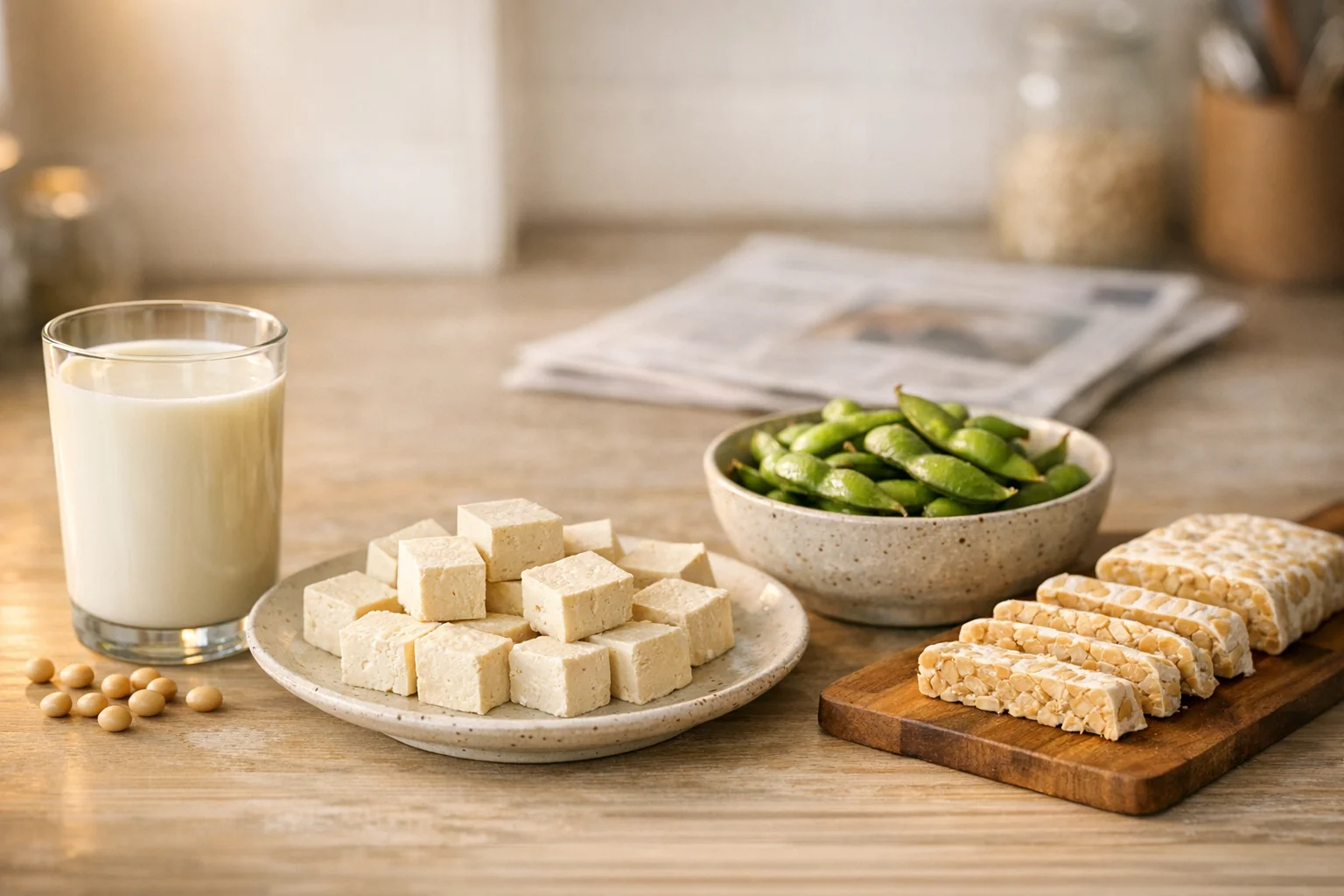
The science tells a very different story. The body produces choline via the PEMT pathway (phosphatidylethanolamine N-methyltransferase), so true deficiency is extremely rare in those eating adequately regardless of diet type. Most damning to the “crisis” narrative: soybeans contain more choline per serving than beef—107–216 mg compared to 65–100 mg. This single fact alone debunks the core claim. Plant-based doctors and the broader medical community largely acknowledged the alarm was overblown, yet the narrative persists in popular culture, driving unnecessary supplement purchases.
Research & Statistics: What the Evidence Actually Shows
The TMAO Advantage
TMAO (trimethylamine N-oxide) is produced when gut bacteria break down choline from animal products. High TMAO levels are strongly linked to cardiovascular disease and predict increased risk of heart attacks and strokes. Plant-based eaters produce significantly less TMAO even when consuming choline-rich plant foods, providing a genuine cardiovascular advantage that animal-based sources cannot offer.
Genetic Variations and Individual Needs
About 98 genetic variations (SNPs) affect how efficiently individuals produce and metabolize choline, meaning some people naturally require more dietary choline than others. Research published in the American Journal of Clinical Nutrition has identified specific genetic polymorphisms—particularly in genes like PEMT and CHKA—that meaningfully influence choline requirements and the likelihood of deficiency. Postmenopausal women, in particular, have significantly reduced ability to synthesize choline due to declining estrogen levels, making dietary intake more critical for this population. Studies show that postmenopausal women require approximately 33% more dietary choline than their premenopausal counterparts to maintain equivalent blood choline levels. Rather than a one-size-fits-all problem, choline requirements are genuinely individual, which is why personalized guidance and potential genetic testing can be valuable for those concerned about adequacy.
Liver Health and NAFLD Prevention
Adequate choline intake is essential for liver health and prevents nonalcoholic fatty liver disease (NAFLD), a condition increasingly common even among younger adults and children. Research published in the American Journal of Gastroenterology and other hepatology journals demonstrates that choline deficiency impairs the liver’s ability to export VLDL (very low-density lipoprotein) particles, leading to triglyceride accumulation within hepatocytes. Plant-based diets rich in whole foods naturally tend to be adequate in choline and correspondingly low in saturated fat and dietary cholesterol, making NAFLD significantly less common among plant-based eaters. Studies comparing omnivorous and plant-based populations show that plant-based eaters have notably lower rates of fatty liver disease despite similar age ranges, suggesting that the combination of adequate choline plus overall dietary quality creates powerful liver protection.
Cognitive Function and Brain Development
Choline is critical for synthesizing acetylcholine, the neurotransmitter central to learning, memory formation, and attention. Research from Boston University and the National Institutes of Health has demonstrated that adequate maternal choline intake during pregnancy is associated with improved cognitive performance and memory capacity in offspring measured years after birth. A landmark study published in FASEB Journal showed that children born to mothers with higher choline intake performed significantly better on standardized cognitive tests and demonstrated superior memory encoding capabilities. Furthermore, choline serves as a methyl donor in the one-carbon cycle, supporting epigenetic processes that regulate gene expression for brain development. Animal studies have shown that choline supplementation during critical developmental windows enhances hippocampal neurogenesis and improves long-term potentiation—the cellular basis for learning and memory. These findings underscore why prenatal choline adequacy is considered one of the most important nutrients for optimizing neurological development.
Pregnancy and Child Development
90–95% of all pregnant women—regardless of their dietary pattern—fall short of the recommended choline intake of 450–550 mg daily during pregnancy (and 550 mg during lactation). Adequate choline during pregnancy is critical for supporting fetal brain development and has been shown to improve cognitive outcomes and memory in children after birth. Meta-analyses published in Nutrients journal and reviewed by the American College of Obstetrics and Gynecology indicate that maternal choline supplementation during pregnancy leads to measurable improvements in infant cognitive development and sustained benefits into early childhood. This widespread inadequacy represents a universal public health issue affecting both omnivorous and plant-based pregnant women equally, not something unique to plant-based diets—making it a concern that transcends dietary philosophy and demands attention across all populations.
Plant-Based Adequacy
Well-planned plant-based diets easily provide adequate choline from soy products, cruciferous vegetables, legumes, and grains. Research comparing nutrient intakes across omnivorous and plant-based populations shows that plant-based eaters typically consume choline levels equivalent to or exceeding omnivorous controls when soy products are included regularly. The same principle applies to omnivorous diets—eating poorly on any pattern creates nutritional gaps. The distinction isn’t the dietary philosophy but rather the quality of planning and food variety within that philosophy.
What Plant-Based Doctors Recommend
Leading plant-based doctors consistently recommend getting choline from whole plant foods rather than supplements for most eaters. Here’s what the experts suggest based on their clinical experience and the latest evidence.
Dr. Neal Barnard
Dr. Neal Barnard (Physicians Committee for Responsible Medicine) explicitly states that plant-based diets are adequate in choline with proper planning, and emphasizes the 2019 “crisis” was significantly overblown. Drawing from his clinical experience working directly with thousands of plant-based patients, Barnard notes that sensationalized claims lacked rigorous scientific backing and that widespread choline deficiency simply doesn’t emerge among plant-based eaters eating well-rounded diets. He advocates for evidence-based approaches rather than fear-driven supplementation, positioning whole foods as the primary source for plant-based populations. Barnard’s institutional research through PCRM has investigated plant-based nutritional adequacy across multiple nutrients, making his statements on choline grounded in both clinical observation and peer-reviewed investigation. (PCRM — Clearing Up Choline Confusion)
The TMAO Advantage: Why Plant-Based Choline Is Different
TMAO (trimethylamine N-oxide) is produced when gut bacteria metabolize choline and related compounds from animal products. High TMAO levels in the bloodstream are robustly linked to cardiovascular disease risk and predict increased likelihood of heart attacks and strokes in long-term studies. However, vegans eating choline-rich plant foods typically have near-absent TMAO levels because plant-based diets foster fundamentally different bacterial populations that don’t efficiently produce TMAO from dietary choline.
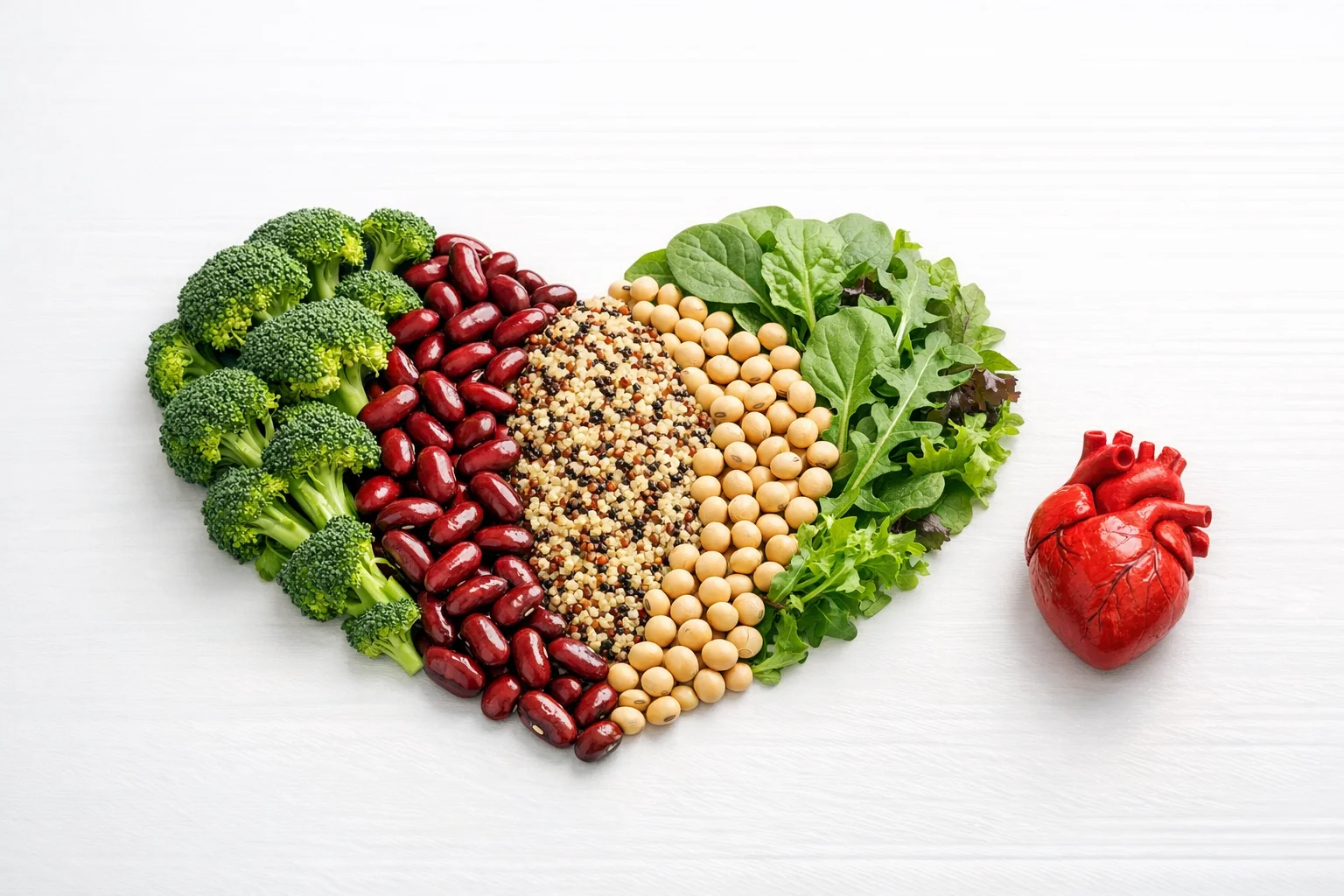
This represents a genuine biological advantage for plant-based eaters: you receive all the benefits of adequate choline for brain health, liver function, and cellular integrity without incurring the cardiovascular risk that comes with TMAO production. When you consume choline from soybeans, quinoa, or broccoli, your body uses it for essential functions without generating harmful metabolites—one area where plant-based nutrition genuinely outperforms omnivorous nutrition from a cardiovascular standpoint.
Best Plant-Based Choline Sources
Rather than relying on supplements (unless you have specific reasons to supplement), here are the best plant-based foods to meet your choline needs. Each provides substantial amounts of this essential nutrient. The key is including a variety of these foods throughout your daily meals to accumulate adequate intake without stress or planning complexity.
Use the Choline in Plant Foods ranking tool to find the richest sources, or the Compare Choline Content tool to compare ingredients side by side.
Soy Products
Roasted soybeans: 107–216 mg per cup (one of the richest plant sources available)
Tofu (firm): 35 mg per 100g serving
Tempeh: 60–80 mg per 3 oz serving
Edamame: 56 mg per cup of cooked edamame
Soy is the gold standard for plant-based choline and contains more choline than beef. If you include any soy products in your diet, you’re likely meeting a substantial portion of your choline needs. Even modest intake—a serving or two daily—makes a significant difference toward reaching your daily target.
Whole Grains & Seeds
Quinoa (cooked): 43 mg per cup
Brown rice (cooked): 19 mg per cup
Chia seeds: 16 mg per ounce
Hemp seeds: 11 mg per tablespoon
Whole grains are a reliable, steady source of choline. Including a variety of grains in your diet provides cumulative choline intake.
Cruciferous Vegetables
Broccoli (cooked): 63 mg per cup
Brussels sprouts (cooked): 45 mg per cup
Cauliflower (cooked): 39 mg per cup
Cabbage (cooked): 29 mg per cup
Cruciferous vegetables are choline-rich and packed with dozens of other protective compounds. Eating these regularly provides choline along with cancer-protective compounds like sulforaphane, making them nutritional powerhouses for plant-based eaters.
Legumes
Kidney beans (cooked): 28 mg per cup
Chickpeas (cooked): 26 mg per cup
Lentils (cooked): 18 mg per cup
Black beans (cooked): 24 mg per cup
Legumes are foundational to plant-based eating and provide meaningful choline along with fiber, protein, and minerals. Including legumes regularly is one of the easiest ways to ensure adequate overall nutrition.
Nuts & Seeds
Peanuts: 24 mg per ounce
Almonds: 16 mg per ounce
Walnuts: 10 mg per ounce
While nuts and seeds are lower in absolute choline, they’re nutrient-dense foods that contribute meaningfully to overall intake, especially when eaten regularly as part of a varied plant-based diet.
Simple Daily Targets & Practical Meal Planning
To reach the RDA of 425–550 mg daily, you might eat:
- 1 cup of cooked broccoli (63 mg)
- 1 cup of cooked quinoa (43 mg)
- 1/2 cup of roasted soybeans (54–108 mg)
- 1 cup of cooked chickpeas (26 mg)
- 1 ounce of peanuts (24 mg)
This adds up to approximately 210–264 mg, and that’s before counting choline from other whole foods, seeds, nuts, and vegetables you’d eat throughout the day. Meeting your choline needs on a plant-based diet is straightforward when you include a variety of whole foods.
Practical meal planning tips to reach 425–550 mg daily: Start your day with a breakfast containing soy—whether that’s tempeh scramble (60–80 mg), tofu scramble (35 mg), or a bowl of fortified plant-based yogurt topped with chia seeds (16 mg per ounce). At lunch, build a grain bowl around quinoa (43 mg per cup) or brown rice (19 mg per cup) with a generous serving of cruciferous vegetables like Brussels sprouts (45 mg per cup) or broccoli (63 mg per cup). For snacks, rotate through nuts and seeds—a handful of peanuts (24 mg per ounce), almonds (16 mg per ounce), or hemp seeds (11 mg per tablespoon). For dinner, prepare legume-based dishes like chickpea curry (26 mg per cup of cooked chickpeas), lentil soup (18 mg per cup), or kidney bean chili (28 mg per cup). With this structure, you’ll naturally accumulate 450–600 mg daily without deliberate restriction or special meal planning. The key is consistency: including at least one soy product, one cruciferous vegetable, one whole grain, and one legume across your three main meals virtually guarantees adequate intake.
Choline During Pregnancy and Breastfeeding
Choline Requirements During Pregnancy
Pregnant women require 450 mg daily of choline according to the current National Academies of Sciences, Engineering, and Medicine guidelines, though emerging research suggests that 930 mg daily—more than double the current RDA—may optimize fetal brain development. The Institute of Medicine established the 450 mg standard, but recent studies have indicated this may be a minimum threshold rather than an optimal target. Women planning to become pregnant are advised to increase their choline intake in the months prior to conception, as choline concentrations in follicular fluid affect egg quality and embryonic development. During pregnancy, choline serves multiple critical functions: it supports the formation of neural tube structures during early gestation, drives acetylcholine synthesis for fetal brain development, and acts as a methyl donor to support epigenetic programming—processes that determine how genes are expressed throughout life. Adequate prenatal choline exposure has been linked to improved IQ scores, better verbal and spatial memory, and enhanced attention capacity in children measured years after birth.
The problem: 90–95% of all pregnant women—regardless of diet type—fall short of even the 450 mg minimum intake. This represents a universal public health crisis affecting omnivorous and plant-based pregnant women equally. Research published in the American Journal of Clinical Nutrition suggests that the high inadequacy rate stems from insufficient awareness about choline-rich foods and lack of dietary counseling during prenatal care. Plant-based pregnant women have a concrete advantage: when properly informed, they can easily reach choline targets through plant foods that simultaneously provide fiber, antioxidants, and protective phytonutrients—compounds absent from animal-based choline sources. A plant-based approach to prenatal choline adequacy inherently supports the entire nutritional foundation of pregnancy, not just a single nutrient.
Specific Food Recommendations for Pregnant Plant-Based Eaters
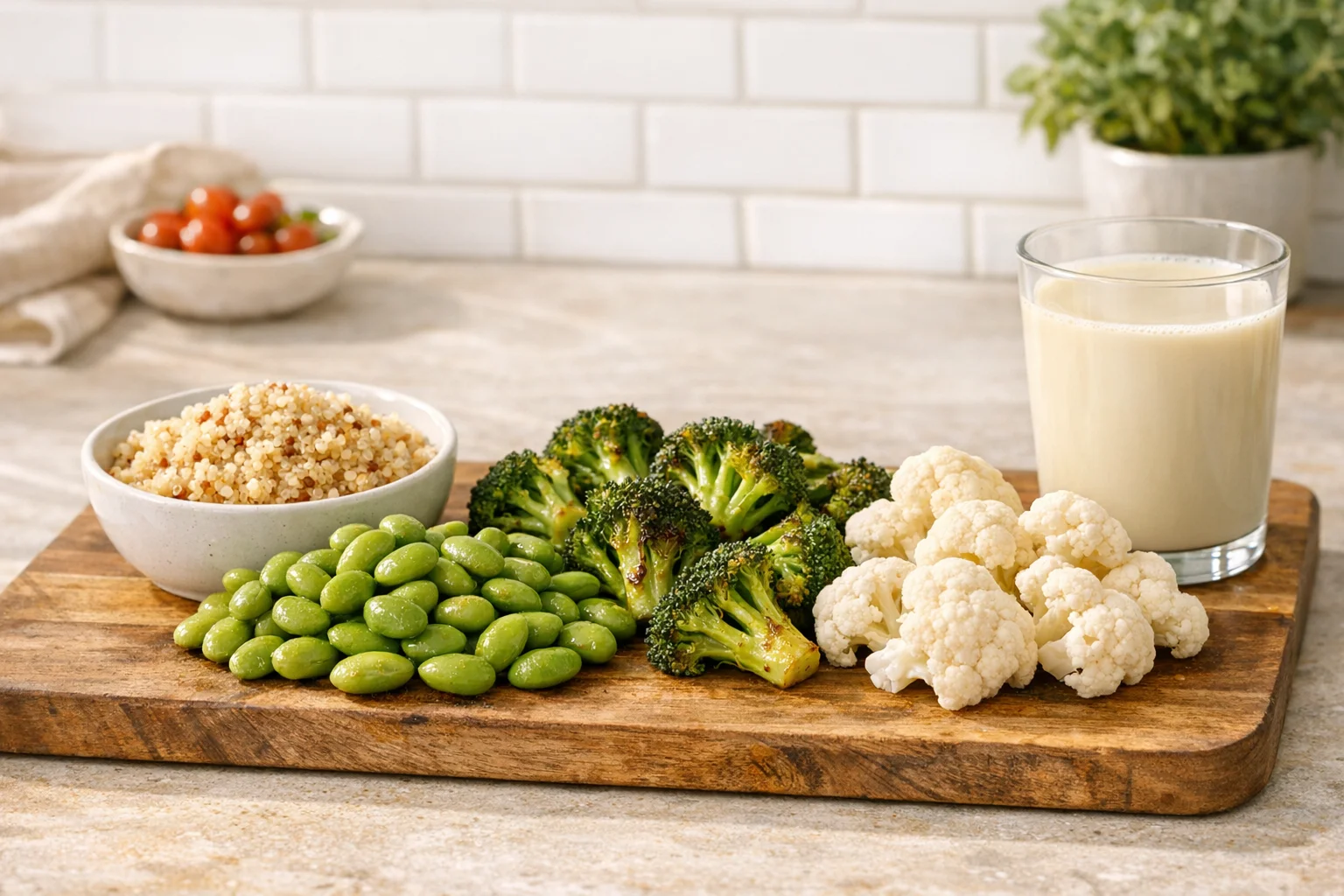
Meeting the 450 mg (or preferably 930 mg) choline target during pregnancy requires strategic food selection. Here’s a practical approach: Begin with soy as your foundation. A single cup of roasted soybeans provides 107–216 mg—nearly half the minimum requirement in one food. Tofu appears in three meals: a tofu scramble at breakfast (35 mg), a tofu stir-fry at lunch (35 mg), and tofu-based pasta primavera at dinner (35 mg), delivering 105 mg total. Cruciferous vegetables should be abundant—aim for 1+ pound daily a key anti-inflammatory strategy in whole-food plant-based nutrition. A large portion of broccoli (63 mg per cup) with lunch and Brussels sprout side dish (45 mg per cup) with dinner adds 108 mg. Whole grains contribute steadily: quinoa breakfast bowl (43 mg per cup), brown rice lunch base (19 mg per cup), and ancient grain dinner addition (approximately 40 mg combined) provide 102 mg. Legumes round out the intake: chickpea hummus snack (26 mg per cup), lentil soup at lunch (18 mg per cup), and kidney bean chili at dinner (28 mg per cup) deliver approximately 72 mg. Seeds and nuts add final touches: chia seed pudding (16 mg per ounce), hemp seed sprinkle on salads (11 mg per tablespoon), and almond snack (16 mg per ounce) provide another 43 mg. This framework totals approximately 430 mg from whole foods, approaching the minimum RDA and leaving room for additional choline from other vegetables, grains, and ingredients consumed throughout the day. To approach the 930 mg target many researchers now recommend, adding a plant-derived choline supplement (alpha-GPC 500 mg daily) bridges the gap safely.
Neural Tube Defects and Brain Development
Neural tube defects (NTDs) including spina bifida and anencephaly represent devastating birth defects that develop within the first 28 days of pregnancy—often before women know they’re pregnant. While folic acid supplementation has reduced NTD risk significantly, emerging research indicates that choline acts synergistically with folate on a plant-based diet in this protective process. Studies show that the combination of adequate choline plus adequate folate provides more robust protection against NTDs than either nutrient alone. Furthermore, choline influences DNA methylation patterns that regulate genes controlling neural tube closure—a epigenetic mechanism distinct from folate’s role. For plant-based pregnant women, this means ensuring both adequate folate (from leafy greens, legumes, and whole grains) and adequate choline (from soy, cruciferous vegetables, legumes, and whole grains) provides complementary neural protection. The overlap in food sources means that dietary patterns supporting adequate choline naturally support adequate folate intake as well.
DHA-Choline Synergy for Optimal Brain Development
Emerging research highlights an important synergy between choline and DHA (docosahexaenoic acid, an omega-3 fatty acids fatty acid) in fetal brain development. Both nutrients are essential for building brain cell membranes and supporting neural connectivity, but they work through different mechanisms. Choline provides the phosphatidylcholine backbone for myelin formation (the insulation coating on nerve fibers), while DHA provides the specialized lipid molecules that maximize neural signal transmission. Studies suggest that optimal cognitive outcomes require adequate intakes of both nutrients, and that deficiency in either one undermines the benefits of having the other in abundance. Plant-based pregnant women can address this by combining choline-rich foods (soy, quinoa, broccoli) with DHA-rich plant sources including algae-based supplements, ground flax, chia seeds, and walnuts. Some researchers recommend that pregnant plant-based women consider a combined algae-derived DHA supplement (200–300 mg daily) alongside dietary choline to ensure both nutrients reach adequate levels, particularly given the universal choline inadequacy among pregnant women and the importance of DHA for fetal brain development.
Lactation and Postpartum Choline Needs
Choline requirements increase to 550 mg daily during breastfeeding, a slightly higher threshold than pregnancy. Breast milk contains approximately 140 mg of choline per liter, meaning exclusively breastfeeding mothers actively transfer significant choline to their infants—making maternal dietary choline intake critical for infant brain development during the critical first months of life. Postpartum maternal choline status also influences maternal cognitive function, mood, and memory recovery after pregnancy. Research shows that postpartum women with adequate choline intake experience faster cognitive recovery and lower rates of postpartum cognitive decline. For plant-based breastfeeding mothers, this reinforces the importance of maintaining abundant whole food intake—soy products, cruciferous vegetables, legumes, and whole grains—during the postpartum period. The dietary pattern supporting adequate lactational choline also supports maternal recovery and infant neurodevelopment simultaneously.
Supplementation Strategy for Pregnant and Breastfeeding Plant-Based Women
While whole foods should form the foundation of choline intake during pregnancy and lactation, plant-derived supplementation offers a practical safety net. Alpha-GPC (alpha-glycerophosphocholine) is a plant-derived form well-absorbed during pregnancy, with typical supplemental doses of 250–500 mg daily providing meaningful additional choline without risk. Some prenatal care providers recommend a modest supplemental dose (250–500 mg daily) in addition to dietary intake, bringing total intake to approximately 700–1,000 mg—closer to the 930 mg that emerging research suggests may optimize fetal brain development. Choline bitartrate is an alternative plant-derived form, though it’s less well-absorbed than alpha-GPC. Before adding any supplement during pregnancy, work with a plant-based obstetric nutritionist or maternal-fetal medicine specialist familiar with plant-based pregnancies to establish an optimal strategy tailored to your specific intake patterns and individual needs. Regular choline status assessment (via blood biomarkers if available) allows for evidence-based adjustments throughout pregnancy and lactation.
Frequently Asked Questions About Choline on a Plant-Based Diet
Key Research References
Do I need to supplement choline on a plant-based diet?
Most plant-based eaters don’t need supplements if consuming soy products, cruciferous vegetables, whole grains, and legumes. Pregnant women, postmenopausal women, or those with specific genetic variations may benefit. Consult a plant-based nutritionist if unsure.
What’s the best form of choline supplement?
Alpha-GPC and choline bitartrate are plant-derived options (avoid animal sources). Alpha-GPC is well-absorbed and useful for cognitive support. Typical doses range 250–500 mg daily. Consult your healthcare provider before supplementing, especially during pregnancy.
How much choline is in a typical plant-based meal?
A balanced plant-based meal contains 100–200 mg of choline. For example: tofu stir-fry with broccoli and rice (117 mg) or chickpea chili (60–80 mg). Across three meals, plant-based eaters easily accumulate adequate choline.
Does cooking destroy choline?
No. Choline is heat-stable and retained in both raw and cooked plant foods. Prepare choline-rich foods however you prefer—the choline content remains essentially the same.
Are there contraindications to choline supplementation?
Choline supplementation at recommended doses is safe for most people. Extremely high doses (beyond 3,500 mg daily) can cause side effects. Consult your healthcare provider if you have specific health conditions, take medications, or are pregnant.
What about choline for children on plant-based diets?
Breastfed infants receive choline through breast milk. Once eating solids, children need soy products, cruciferous vegetables, whole grains, and legumes for adequate choline. Work with a pediatric plant-based nutritionist if concerned about your child’s intake.
Final Thoughts: Stop Worrying, Start Eating
The 2019 “choline crisis” was sensational, opinion-driven, and industry-funded. The actual reality is far simpler: choline is essential for human health, and plant-based foods provide it abundantly. Soybeans contain more choline than beef per serving. Cruciferous vegetables are nutritional powerhouses for choline. Whole grains and legumes contribute meaningfully to your daily intake.
Better yet, plant-based choline doesn’t produce TMAO—the harmful metabolite generated from animal-based choline that links to cardiovascular disease. Your plant-based choline intake is actually a cardiovascular advantage you can feel good about. Focus on eating a variety of whole plant foods—soy products, vegetables, grains, and legumes—and you’ll easily meet your choline needs without stress. Most plant-based eaters don’t need supplements if eating a well-planned diet.
Stop letting sensationalist headlines drive your nutritional choices. Eat real plant foods, consult the science, and let evidence guide your decisions. Your brain, cells, and cardiovascular system will thank you.
Take the guesswork out of plant-based nutrition.
Explore our evidence-based guides on the nutrients that matter most.
Browse All Nutrient Guides