
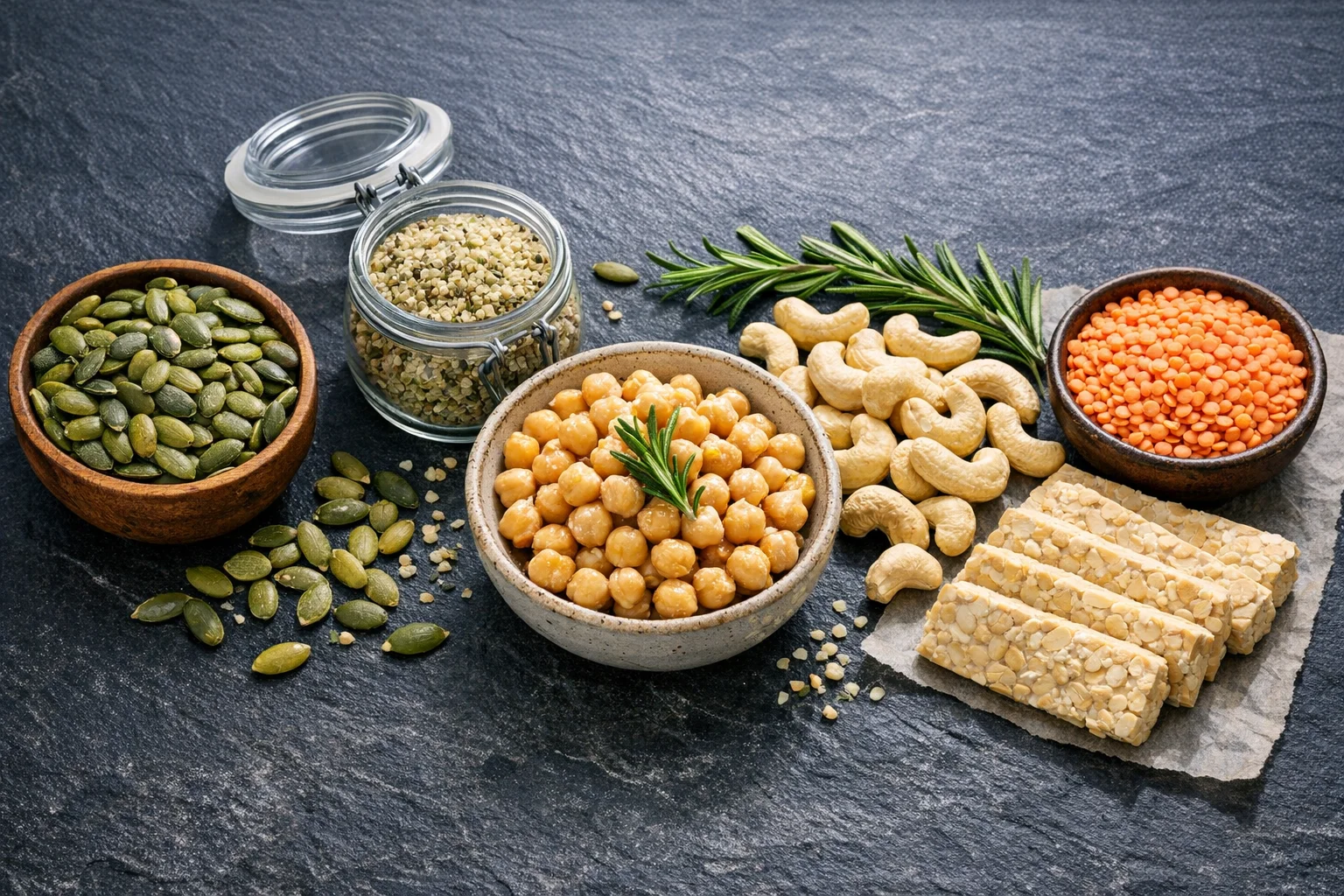
Zinc is the “quiet” nutrient on a plant-based diet. While B12 and iron get all the attention, zinc is equally critical—involved in over 300 enzyme reactions, immune function, wound healing, and DNA synthesis. The catch? Phytates in beans, grains, and seeds can reduce absorption by up to 50%, which is why plant-based eaters may need up to 50% more zinc than omnivores. The good news: understanding zinc’s role and using smart preparation techniques makes meeting your needs straightforward and achievable.
What Is Zinc
Zinc is an essential trace mineral that your body cannot produce or store in significant amounts, making dietary intake crucial. This mineral is a cofactor for over 300 enzymes involved in metabolism, immune function, protein synthesis, wound healing, DNA replication, and cell division. Your sense of taste and smell both depend on zinc, as do healthy skin and hair.
Beyond these basic functions, zinc plays a sophisticated role in immune defense through several specific mechanisms. It’s essential for the development and activation of T-lymphocytes, the white blood cells that recognize and destroy pathogens—zinc is literally required for T-cells to proliferate in response to threats and for them to produce protective cytokines (chemical messengers). Zinc also directly supports the thymus gland, the organ where T-cells mature; thymic hormone production depends on adequate zinc status. Additionally, zinc enables natural killer (NK) cells and neutrophils—other critical immune cells—to function properly. When zinc is inadequate, your T-cell function deteriorates first, weakening your ability to fight infections. This is why zinc-deficient individuals experience frequent colds, extended illness duration, and slower recovery times. Deficiency creates a cascading immune suppression: without adequate zinc, you get infected more easily, stay sick longer, and experience more severe infection symptoms. Studies show that zinc supplementation during cold and flu season reduces the duration and severity of illness, demonstrating the tight relationship between zinc status and immune resilience.
In wound healing, zinc works at multiple stages: it’s needed for the initial inflammatory response that clears debris and prevents infection, for fibroblast proliferation (the cells that produce collagen and form the new tissue matrix), and for the remodeling phase that strengthens and optimizes new tissue structure. A single deep cut might take twice as long to heal without adequate zinc, and the newly healed tissue may be weaker and more prone to reopening. This is particularly important for surgical recovery, injury management, and skin barrier maintenance. In fertility, zinc is critical for sperm production and motility in men, and for reproductive hormone balance and ovulation in women. This mineral truly touches every system in your body.
The recommended dietary allowance (RDA) for zinc is 11 mg per day for adult men and 8 mg per day for adult women. However, because plant-based sources of zinc are less bioavailable due to phytate content, many nutrition experts suggest that plant-based eaters should aim for approximately 16.5 mg per day for men and 12 mg per day for women—roughly 50% higher than the standard RDA.
Zinc deficiency progresses quietly. Early signs may include a weakened immune system, slow wound healing, hair loss, or changes in taste and smell. More severe deficiency can lead to dermatitis, diarrhea, alopecia, and immune dysfunction. Because plant-based diets can have lower zinc bioavailability, awareness and strategic food selection become especially important.
The Phytate Factor
Phytic acid (phytate) is a compound found in beans, whole grains, nuts, and seeds that binds zinc and other minerals in the digestive tract, reducing their absorption. However, to understand phytates properly, it’s crucial to know what they actually are and why they exist in these foods in the first place. Phytates are the seed’s own nutrient storage compound—the plant’s way of sequestering minerals for its own growth and reproduction. When you soak or sprout a seed, you’re essentially interfering with the plant’s plan. From a nutritional perspective, phytates can reduce mineral bioavailability, but this doesn’t mean plant foods are deficient or dangerous. Rather, it means the minerals are present but in a form that’s less readily absorbed—a nuance that’s often lost in discussions about plant-based nutrition.
The actual impact of phytates depends on the phytate-to-zinc molar ratio. When this ratio exceeds 15, zinc absorption is significantly inhibited. This is the key metric that matters, not the simple presence of phytates. Many plant foods fall well below this threshold, meaning they contain meaningful amounts of bioavailable zinc even without any special preparation. For example, cashews have a ratio of 0.9 (excellent), while lentils come in around 2.4 (very good). Even chickpeas, at roughly 2.1, maintain good zinc bioavailability. The foods most likely to have problematic ratios are whole wheat flour and oat bran consumed as primary staple sources without any preparation modification—a scenario unlikely in a well-planned plant-based diet incorporating variety.
The narrative around phytates has been unnecessarily fearful. For decades, nutrition science emphasized their mineral-binding capacity without equal emphasis on the fact that billions of people around the world—including in regions with extraordinarily long lifespans and excellent health markers—have eaten high-phytate diets for centuries. Costa Rican blue zone populations consume beans daily with minimal disease. Japanese populations eat soybeans with fermentation techniques. Indian populations base diets on legumes. Phytates are not the primary culprit in nutritional deficiency; rather, the combination of high phytates, low overall mineral intake, and lack of food preparation knowledge creates the perfect storm for deficiency.
The encouraging truth: phytates are not permanent and are extremely responsive to common food preparation methods. Research shows that simple, ordinary kitchen techniques reduce phytate content dramatically:
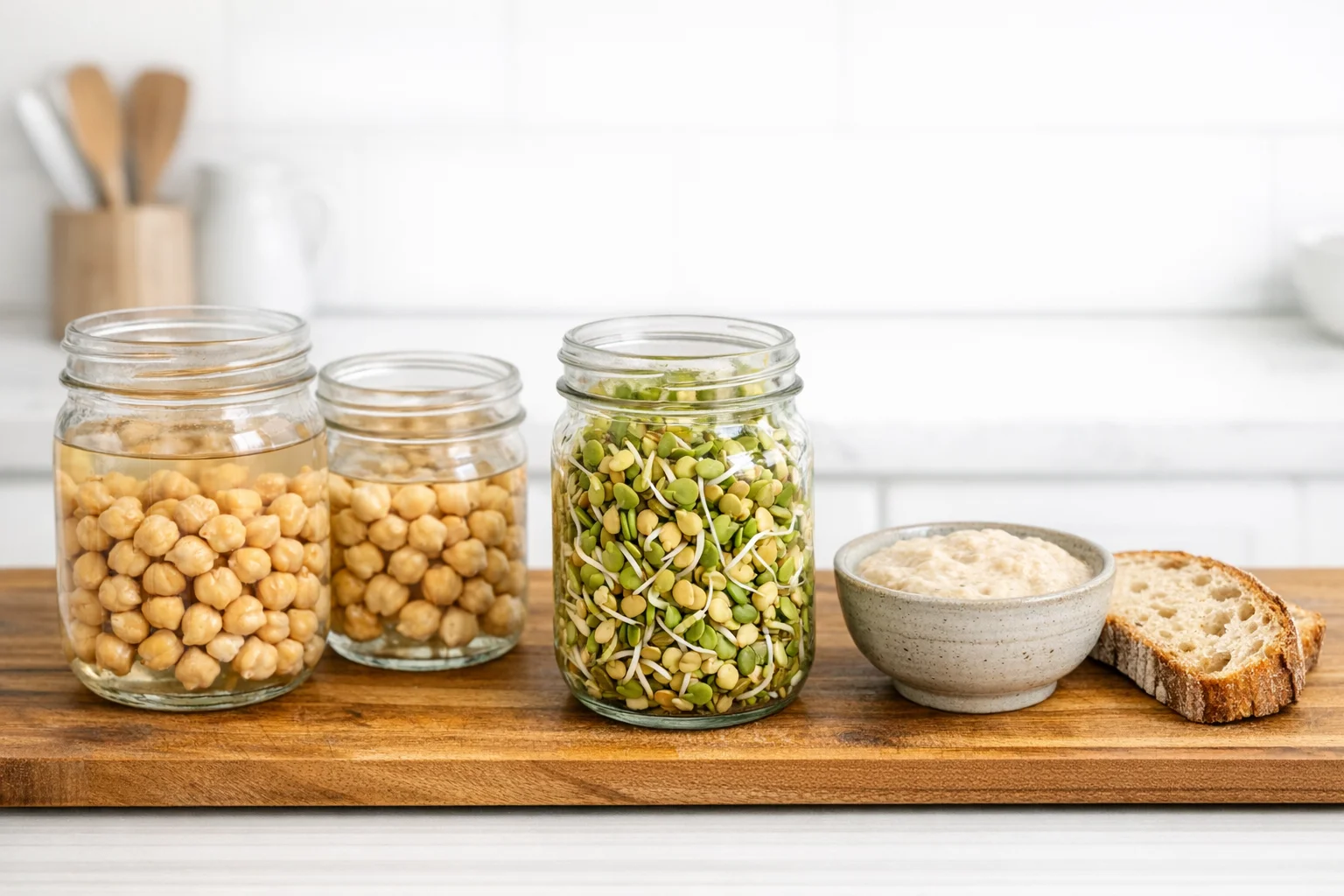
- Soaking: Overnight soaking of beans and grains reduces phytate content by 26–55% through simple leaching into water.
- Sprouting: Sprouted seeds and legumes see phytate reductions of 28–60% as the germination process activates phytase enzymes.
- Fermenting: Fermented foods like sourdough bread, tempeh, and miso reduce phytates by 50–88%—the most effective method through microbial enzyme activity.
These are simple kitchen habits—not expensive, not requiring special equipment, and not requiring supplements—that maximize mineral absorption without changing the foods themselves. Implementing even one of these strategies meaningfully improves your zinc status. Implementing two or three creates a powerful cumulative effect. The key insight is this: you’re not avoiding beans and grains because of phytates; you’re preparing them intelligently to unlock the minerals they contain.
How Common Is Deficiency
The research is clear: zinc deficiency is more prevalent in plant-based eaters than omnivores. The NuEva Study (2023) found that zinc intake was significantly lower in vegans compared to omnivores, with serum zinc levels reduced particularly in women. A major 2024–2025 study examining zinc status across dietary groups found alarming numbers: 11% of omnivores showed zinc deficiency, compared to 51% of vegetarians and 67% of vegans. Women and vegans experienced the greatest impact.
Multiple meta-analyses have confirmed these findings: dietary zinc intakes and serum zinc levels are significantly lower in vegetarians and vegans versus non-vegetarians. The difference isn’t due to plant-based diets being inherently zinc-poor—it’s due to the reduced bioavailability of plant zinc sources combined with the phytate content in plant foods.
This doesn’t mean plant-based eaters are doomed to deficiency. It means informed choices matter. Regular blood testing (serum zinc, zinc preferences), strategic food selection, thoughtful meal preparation, and—in many cases—a modest zinc supplement can keep you thriving.
Doctor Recommendations
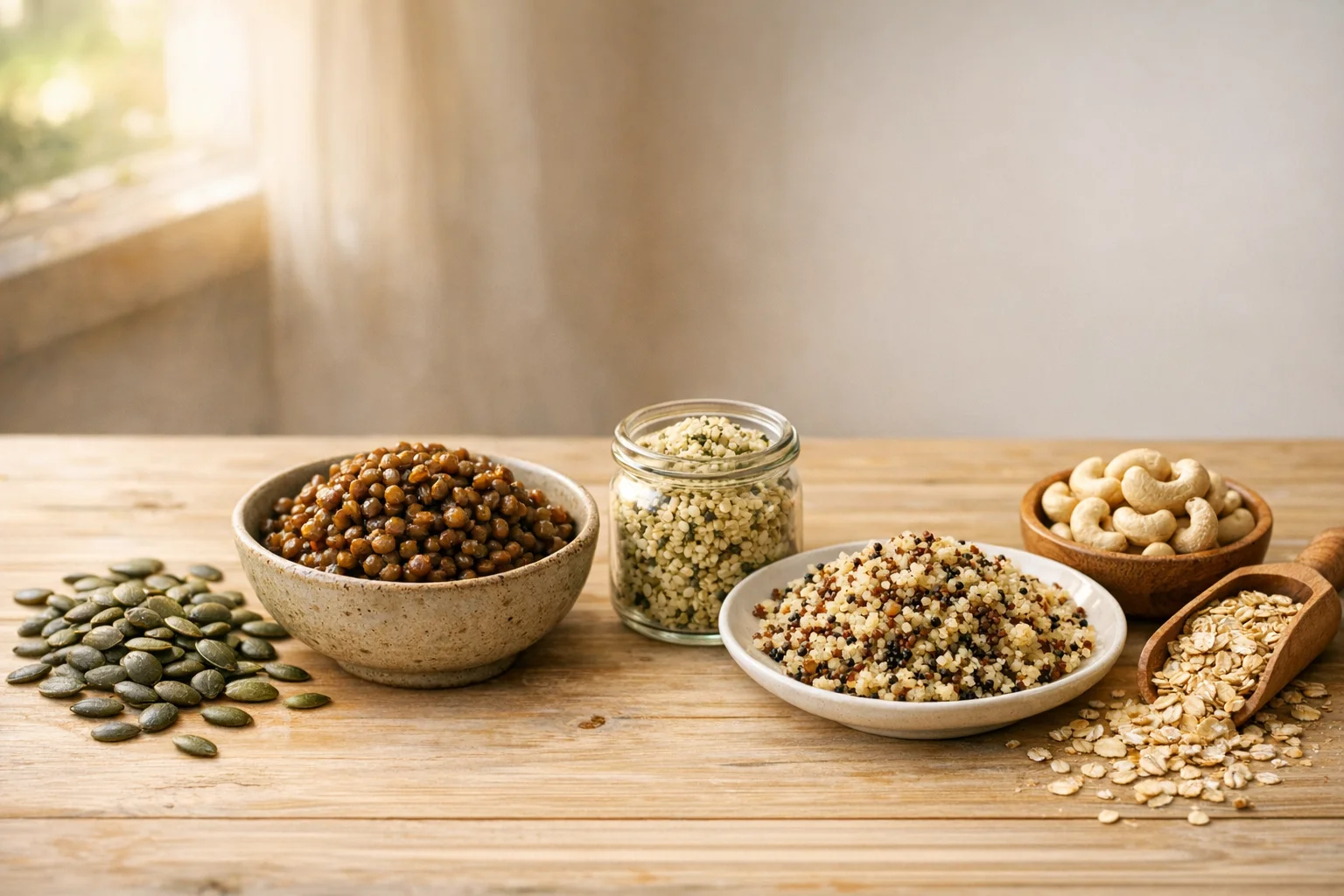
Leading plant-based medical doctors recognize zinc as a critical nutrient requiring intentional attention. Here’s what these experts recommend:
Dr. Joel Fuhrman
Dr. Fuhrman recommends that plant-based eaters supplement with 7.5–10 mg of zinc daily, using highly bioavailable forms like zinc bisglycinate or zinc picolinate. He emphasizes that plant-based eaters need approximately 50% more dietary zinc than omnivores due to phytate binding in plant sources, making supplementation a practical insurance policy for optimal health. Rather than viewing supplementation as a weakness of plant-based diets, Dr. Fuhrman frames it as a straightforward optimization tool. His approach of pairing intentional food choices—emphasizing whole plant foods, legumes, and seeds—with targeted supplementation gives plant-based eaters the best of both worlds: the nutrient density, fiber, and phytonutrient profile of whole plant foods combined with assurance of adequate zinc status for immune function, wound healing, and overall vitality.
Dr. Michael Greger
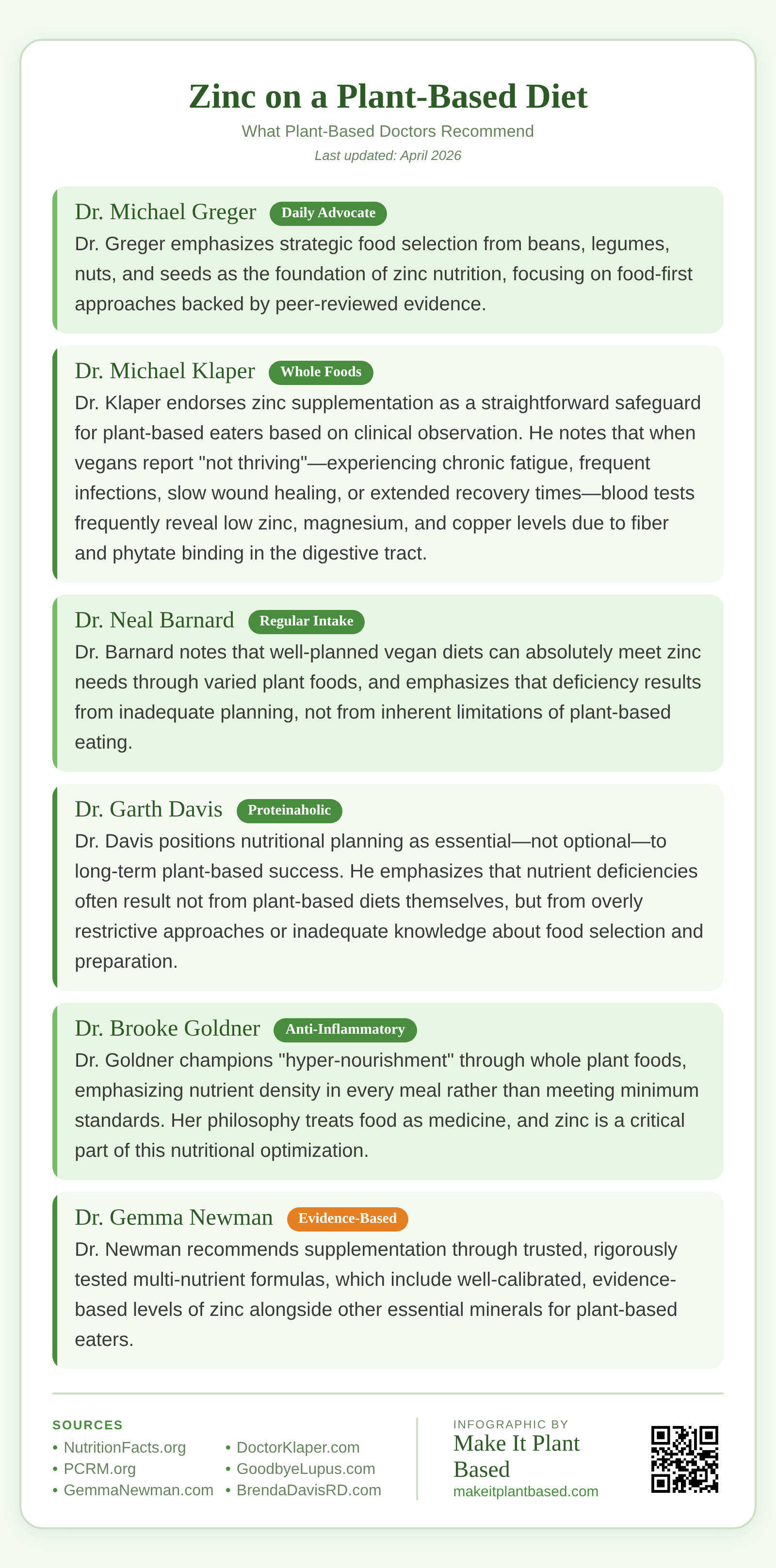
Dr. Greger emphasizes strategic food selection from beans, legumes, nuts, and seeds as the foundation of zinc nutrition, focusing on food-first approaches backed by peer-reviewed evidence. He advocates for a whole-food approach that leverages the nutrient density, fiber, and antioxidant profile of plant-based sources while simultaneously incorporating simple food preparation techniques that maximize absorption. His practical, evidence-based recommendations focus on strategies plant-based eaters can implement immediately in their own kitchens—soaking, sprouting, fermenting, and pairing with absorption-enhancing foods like garlic and vitamin C sources. Dr. Greger’s philosophy is that food preparation knowledge—not supplements—is the primary tool for optimizing the zinc you’re already eating from whole plant foods.
Dr. Michael Klaper
DoctorKlaper.com endorses zinc supplementation as a straightforward safeguard for plant-based eaters based on clinical observation. He notes that when vegans report “not thriving”—experiencing chronic fatigue, frequent infections, slow wound healing, or extended recovery times—blood tests frequently reveal low zinc, magnesium, and copper levels due to fiber and phytate binding in the digestive tract. In his clinical practice, he’s observed that identifying and correcting zinc deficiency often results in rapid, dramatic improvements in energy levels, immune function, skin quality, and overall wellbeing. Many patients who felt persistently unwell on otherwise well-planned plant-based diets experience remarkable improvements once zinc status is optimized through supplementation. This clinical experience drives his recommendation that plant-based eaters prioritize zinc testing and supplementation as a fundamental health practice.
Dr. Neal Barnard
Dr. Barnard notes that well-planned vegan diets can absolutely meet zinc needs through varied plant foods, and emphasizes that deficiency results from inadequate planning, not from inherent limitations of plant-based eating. His approach focuses on comprehensive meal planning that emphasizes diverse sources of zinc—legumes, seeds, whole grains, nuts—and other critical minerals, ensuring nutritional completeness without reliance on supplements as the primary strategy. Dr. Barnard’s research demonstrates that intentional plant-based eaters who prioritize zinc-rich foods and implement smart preparation techniques like soaking and sprouting can achieve optimal zinc status. His evidence-based framework shows that plant-based diets can be not just adequate, but optimized for every nutrient when approached with knowledge and intention.
Dr. Garth Davis
Dr. Davis positions nutritional planning as essential—not optional—to long-term plant-based success. He emphasizes that nutrient deficiencies often result not from plant-based diets themselves, but from overly restrictive approaches or inadequate knowledge about food selection and preparation. Zinc deficiency is entirely preventable through strategic eating and targeted supplementation when needed. His pragmatic approach focuses on making plant-based eating genuinely sustainable long-term by identifying and addressing nutritional gaps proactively rather than reactively. Dr. Davis advocates for treating nutritional optimization as a foundational element of plant-based practice, not an afterthought or sign of weakness.
Dr. Brooke Goldner
Dr. Goldner champions “hyper-nourishment” through whole plant foods, emphasizing nutrient density in every meal rather than meeting minimum standards. Her philosophy treats food as medicine, and zinc is a critical part of this nutritional optimization. She advocates for deliberate, strategic selection of zinc-rich plant foods combined with preparation methods that optimize bioavailability. Her “intentional nutrient overdose” approach means packing meals with zinc-rich seeds, legumes, and sprouted grains prepared using soaking, sprouting, and fermentation techniques to maximize absorption. Rather than aiming for barely adequate zinc intake, Dr. Goldner’s approach targets optimal nutrition through food quality and preparation strategy.
Dr. Gemma Newman
DrGemmaNewman.com — The Plant Power Doctor recommends supplementation through trusted, rigorously tested multi-nutrient formulas, such as those from The Vegan Society, which include well-calibrated, evidence-based zinc doses alongside other nutrients commonly at risk on plant-based diets. She provides practical, evidence-based guidance for plant-based eaters seeking straightforward, no-nonsense nutritional support. Her pragmatic UK-based approach recognizes that supplements aren’t a sign of dietary failure; rather, they’re a rational tool for ensuring nutritional completeness. Dr. Newman’s evidence-based strategy combines food optimization—emphasizing zinc-rich plant sources and smart preparation—with targeted supplementation that provides assurance and peace of mind.
Best Plant-Based Sources
Numerous plant foods contain meaningful amounts of zinc, and understanding the specific amounts available per serving helps you plan meals strategically. The highest-density plant-based zinc sources are seeds and legumes, with significant variation in bioavailability depending on how they’re prepared.
Pumpkin seeds are the undisputed star, delivering 2.2 mg of zinc per ounce (roughly 28 grams, or about a quarter cup). A single ounce provides nearly 20% of the adjusted plant-based zinc target, making them an exceptional snack. Hemp seeds provide 3 mg per 3 tablespoons, making them even more concentrated. Cooked chickpeas contain about 2.5 mg per cup, while cooked lentils deliver 2.5–3.1 mg per cup depending on type (red lentils slightly higher than green). White beans are particularly zinc-rich at 3.7 mg per cooked cup. Cashews provide 1.6 mg per ounce, and while lower than seeds, they’re convenient and can be consumed raw or made into creams and dressings.
Other reliable sources include oats (1.5 mg per half-cup dry; 4–5 mg per cooked bowl depending on portion), tofu (2.0 mg per 3.5-ounce serving, especially higher in firm tofu), quinoa (2.8 mg per cooked cup), whole wheat pasta (2–3 mg per cooked cup depending on brand), nutritional yeast (up to 2.5 mg per tablespoon in fortified forms), and peas (1.6 mg per cooked cup). Many whole-grain cereals are fortified with zinc; check labels as amounts vary from 3.6–8 mg per serving. Tahini (sesame butter) provides 1.4 mg per 2-tablespoon serving and works beautifully in dressings and as an oat topping.
Rather than relying on a single zinc source, aim for variety across meals. The cumulative effect of multiple sources—spread throughout the day—creates superior absorption compared to attempting to hit your entire daily target from one meal. This is both more enjoyable and more physiologically effective.
Sample meal plans that hit daily zinc targets:
Breakfast: A bowl of sprouted oats (soaked overnight to reduce phytates) topped with hemp seeds (3 mg), pumpkin seeds (2.2 mg), and 1 tablespoon tahini (0.7 mg) with a drizzle of maple syrup = 5.9 mg. Add a small handful of almonds (0.9 mg) = 6.8 mg total.
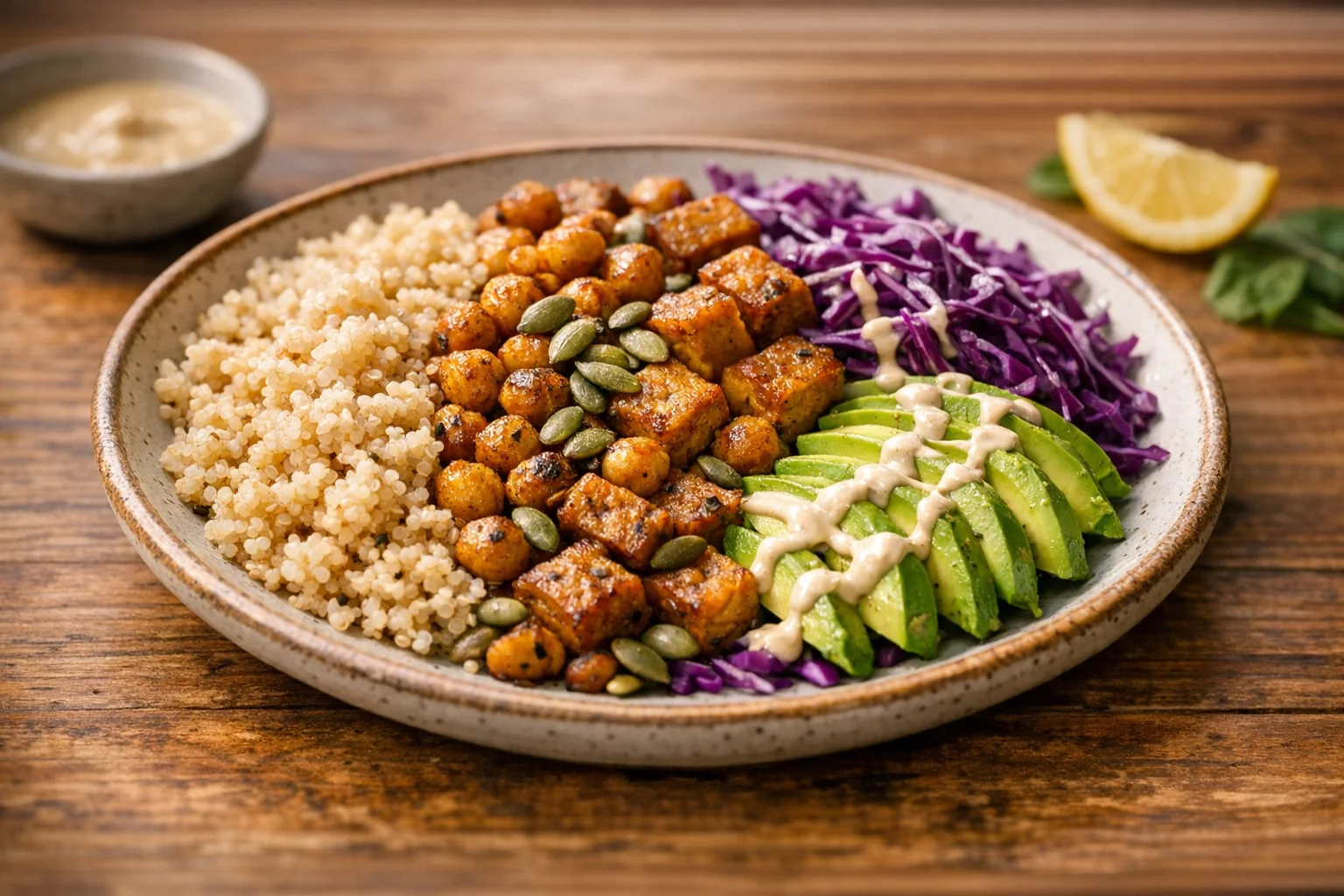
Lunch: Sprouted lentil and quinoa salad (2.5 mg lentils + 2.8 mg quinoa) with roasted chickpeas (2.5 mg per 1/2 cup), bell peppers, cherry tomatoes, and a tahini dressing (0.7 mg) = 8.5 mg total.
Dinner: White bean and tempeh chili (3.7 mg white beans + 1.9 mg tempeh) with a side of sourdough bread (0.8 mg per slice, plus fermentation reduces phytates) and a side salad with pumpkin seeds (1 mg) = 7.4 mg total.
Snack: Hummus with lentil flour (0.7 mg) and pumpkin seeds (2.2 mg) = 2.9 mg.
Daily total: approximately 31 mg of zinc, which exceeds the adjusted plant-based target of 12–16.5 mg through food alone, providing insurance against bioavailability losses. This approach gets you comfortably into optimal range, especially when meals are prepared using soaking, sprouting, or fermentation techniques that reduce phytates and enhance actual absorption. The strategy of spreading zinc across multiple meals also enhances absorption compared to consuming large amounts in a single eating occasion.
Boost Your Absorption
Simply eating zinc-rich foods is only half the equation; absorption matters equally. Several evidence-based strategies significantly enhance zinc bioavailability from plant sources. The difference between eating zinc-rich foods in a haphazard way versus strategically is often the distinction between adequate and deficient status.
Soaking: The Foundation Technique
Soaking beans and grains overnight is perhaps the easiest habit to adopt and delivers immediate, measurable results. This simple step reduces phytate content by 26–55%, immediately improving zinc absorption. The mechanism is straightforward: phytic acid (phytate) is water-soluble, and prolonged soaking allows water to penetrate the seed coat and leach a significant portion of the phytate into the soaking liquid. After soaking for 12–24 hours, discard the water and cook with fresh water. This approach works for chickpeas, lentils, kidney beans, black beans, quinoa, and all whole grains. A practical habit: soak beans or grains in the evening, drain in the morning, and cook during your next meal preparation. Over time, this becomes automatic kitchen routine. For those on a tight schedule, quick soaking—bringing beans to a boil for 2 minutes, then letting them sit for an hour—reduces phytates by roughly 20%, better than no soaking at all. Combined with other strategies, soaking creates a compounding effect on absorption.
Sprouting: Enzymatic Activation
Sprouting seeds and legumes reduces phytates even further—by 28–60%—while simultaneously activating enzymes that enhance overall nutrient availability. Sprouting works through a biological mechanism: as seeds germinate, the plant activates powerful enzymatic systems to mobilize stored nutrients, including phytase, the very enzyme that breaks down phytates. This process doesn’t just reduce phytates; it also increases the bioavailability of other minerals like iron, magnesium, and calcium. Sprouted mung beans, sprouted seeds, and sprouted lentils are increasingly available in grocery stores, making this strategy convenient. You can also sprout at home using simple glass jars—mung beans and alfalfa seeds are particularly beginner-friendly, requiring just 3–5 days of daily rinsing. Sprouted lentils maintain their firm texture and work beautifully in salads. Sprouted seeds—including sunflower, broccoli, and radish—pack concentrated nutrition into small amounts. A quarter-cup of sprouted seeds provides significant zinc alongside the benefit of reduced phytate interference.
Fermentation: The Most Effective Method
Fermented foods are the most effective phytate reducers, cutting phytate content by 50–88% depending on fermentation duration. Fermentation works through microbial activity: beneficial bacteria and fungi produce phytase as a byproduct of metabolism, breaking down phytates over days or weeks. Sourdough bread, which ferments for 8–24 hours, reduces phytates substantially compared to commercial yeast breads that ferment for only 1–2 hours. Tempeh, made from fermented soybeans, delivers both protein and reduced phytate burden. Miso, fermented for months or years, is a concentrated source of bioavailable nutrients. Other fermented foods—sauerkraut, kimchi, kombucha, and nutritional yeast (a deactivated fermented product)—all offer phytate-reducing benefits. A practical approach: incorporate sourdough bread into meals regularly (it’s not just breakfast food—it makes excellent open-faced sandwiches), use tempeh as your protein base 2–3 times weekly, and use miso in broths, dressings, and marinades. The combination of fermented foods across meals compounds the absorption benefits.
Allium Vegetables: The Bioavailability Amplifiers
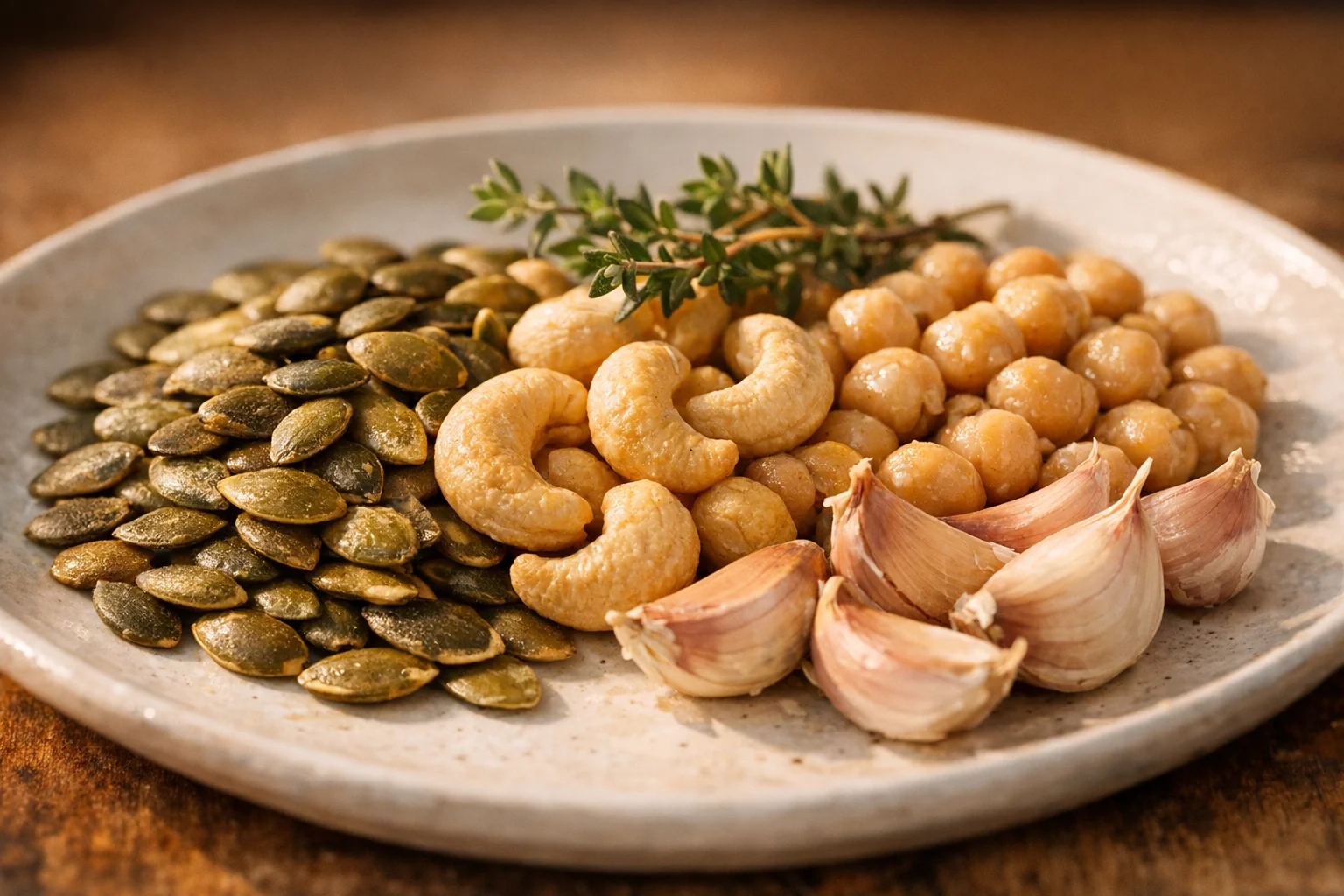
Adding garlic and onions to meals significantly boosts zinc bioavailability through multiple mechanisms. Research shows zinc bioavailability increases by 10–159% depending on the amount of allium used and how it’s prepared—typically more effective when garlic and onions are minced or crushed and eaten raw or lightly cooked. The allium compounds in these vegetables (organic sulfur compounds called thiosulfates and polysulfides) enhance mineral absorption by modifying the intestinal environment and reducing the effectiveness of phytate binding. This effect is dose-dependent: more garlic and onion means greater enhancement. Practical application: add minced raw garlic to hummus or bean dips, include caramelized onions in grain bowls, use garlic-onion base for soups and stews, and add fresh minced garlic to salad dressings. A simple bean dish becomes dramatically more absorbable when prepared with a base of sautéed garlic and onions. This is one of the most accessible and delicious absorption strategies available.
Vitamin C Pairing: The Modest Enhancer
Pairing zinc-rich foods with vitamin C provides modest but measurable enhancement to absorption. Vitamin C reduces zinc to its optimally absorbed form and may compete with phytates for binding zinc. The effect is smaller than phytate reduction strategies, but it’s cost-free and adds nutritional value to meals. Practical applications: add tomatoes or tomato sauce to lentil dishes, serve chickpea hummus with lemon juice, include bell peppers (raw or roasted) in grain salads with legumes, and dress cashew-based dishes with citrus vinaigrettes. A lentil and tomato soup delivers simultaneous zinc and vitamin C enhancement. A chickpea salad with bell peppers and lemon juice covers multiple absorption bases.
Meal Timing and Distribution
Spreading zinc intake throughout the day rather than concentrating it in a single meal improves overall absorption. Your digestive system can absorb only a finite amount of zinc in one sitting; excess intake is not stored and is simply excreted. Three moderate zinc-containing meals or snacks provide better absorption than one large dose. This also reduces the risk of zinc-copper imbalance that can occur with excessive supplementation. Practically: aim for 4–6 mg of zinc at breakfast, 4–6 mg at lunch, and 4–6 mg at dinner (or through snacks), creating a consistent stream of absorption throughout the day. This approach is gentler on your digestive system and creates more reliable nutrient status than sporadic high-dose consumption.
Zinc Deficiency: Who’s Most at Risk?
While all plant-based eaters should monitor their zinc status, certain populations face elevated risk and may benefit from more aggressive dietary strategies or supplementation.
Elderly adults are particularly vulnerable to zinc deficiency. As we age, stomach acid production decreases, reducing zinc absorption efficiency. Additionally, medications commonly taken by older adults—proton pump inhibitors for acid reflux and diuretics for blood pressure—further impair zinc absorption. Many elderly plant-based eaters also reduce their food intake, lowering total nutrient consumption. Combined with reduced absorption, this creates a perfect storm for deficiency. Elderly plant-based eaters should prioritize supplementation or work closely with a healthcare provider to ensure adequate zinc status through regular testing.
Pregnant women require approximately 40% more zinc than non-pregnant women due to fetal development needs and expanded blood volume. Deficiency during pregnancy increases risks of prolonged labor, premature delivery, and impaired fetal growth. A plant-based pregnant woman absolutely should work with a healthcare provider experienced in plant-based nutrition to ensure adequate zinc intake, whether through enhanced food sources, supplementation, or both.
Children and adolescents require high zinc intake relative to their body size during periods of rapid growth. Young plant-based eaters who eat limited food volumes or who haven’t yet developed a taste for zinc-rich foods like legumes and seeds should be monitored. Growth delays or repeated infections can signal inadequate zinc. Serum zinc testing is straightforward and recommended every 1-2 years during growth years for plant-based children.
Athletes and people engaging in intense training lose zinc through sweat, particularly during endurance exercise. Plant-based athletes have the additional challenge of phytate-reduced bioavailability, making them high-risk for deficiency even when dietary intake appears adequate. Athletes should consider supplementation or focus intensively on preparation techniques and diverse zinc sources to maintain optimal status during training phases.
People with gastrointestinal conditions including inflammatory bowel disease (Crohn’s and ulcerative colitis), celiac disease, or other malabsorption disorders have impaired zinc absorption regardless of intake. These individuals require physician-supervised monitoring and typically benefit from supplementation. Plant-based eaters with GI conditions should work with a gastroenterologist experienced in plant-based nutrition to optimize nutrient status.
Frequently Asked Questions
How much zinc do vegans need per day?
The adjusted recommendation for plant-based eaters is approximately 16.5 mg per day for adult men and 12 mg per day for adult women—roughly 50% more than the standard RDA of 11 mg and 8 mg respectively. This higher target accounts for the reduced bioavailability of zinc from plant sources due to phytate binding.
Can you get enough zinc without supplements?
Yes, it is possible to meet zinc needs through food alone with strategic food choices and thoughtful preparation techniques. However, many leading plant-based doctors recommend a modest 7.5–10 mg supplement as insurance, particularly for women and vegans, given the prevalence of zinc deficiency in these populations. A combination approach—maximizing food sources while using a small supplement—provides the greatest assurance of adequate status.
What are the signs of zinc deficiency?
Early signs include a weakened immune system (frequent colds and infections), slow wound healing, hair loss, and impaired taste or smell. More advanced deficiency can cause skin issues, diarrhea, and severe immune dysfunction. If you’re getting frequent infections, experiencing slow healing, or noticing hair changes, ask your healthcare provider to test your serum zinc level.
Do pumpkin seeds really have that much zinc?
Yes. Pumpkin seeds deliver approximately 2.2 mg of zinc per ounce, making them one of the highest plant-based zinc sources. They’re also relatively low in phytates compared to other seeds, meaning the zinc is more readily absorbed. A quarter-cup of pumpkin seeds (roughly one ounce) provides nearly 20% of the adjusted plant-based zinc target, making them an excellent and convenient snack.
Key Research References
Take the guesswork out of plant-based nutrition.
Explore our evidence-based guides on the nutrients that matter most.
Browse All Nutrient Guides