
![Soy and Phytoestrogens on a Plant-Based Diet: Separating Myth from Science [2026]](https://makeitplantbased.com/images/articles/soy-phytoestrogens-plant-based-diet/soy-phytoestrogens-featured.webp)
Few foods in the plant-based world generate as much controversy as soy. Search online and you’ll find alarming claims that soy will “feminize” men, cause breast cancer, or flood your body with estrogen. The reality? These fears are based on a fundamental misunderstanding of how phytoestrogens work — and decades of research in populations that consume soy daily tells a very different story. Let’s look at what the science actually says.
Phytoestrogens in soy are not the same as human estrogen. They’re plant compounds that interact with estrogen receptors in a fundamentally different way — and understanding this distinction is the key to cutting through the noise. In this guide, we’ll examine the research, hear from leading plant-based doctors, and give you practical guidance on including soy in your diet with confidence.
What Are Phytoestrogens? Understanding the Difference from Human Estrogen
Phytoestrogens are naturally occurring plant compounds that have a chemical structure loosely similar to human estrogen (estradiol). The word “phyto” simply means plant. There are several types of phytoestrogens, but the most studied are isoflavones, found primarily in soybeans and other legumes. The two main soy isoflavones are genistein and daidzein.
Here’s the critical distinction that most fear-based articles miss: phytoestrogens are selective estrogen receptor modulators (SERMs). This means they can either weakly activate or actually block estrogen receptors depending on the tissue type. In breast tissue, for example, isoflavones tend to act as estrogen antagonists — they compete with and block the much stronger human estrogen from binding. A 2007 study on the molecular aspects of phytoestrogen binding found that genistein binds preferentially to estrogen receptor beta (ERβ), which is associated with anti-proliferative effects, rather than ERα, which drives cell growth.
Think of it this way: if human estrogen is a master key that opens every lock, phytoestrogens are more like a key that fits into some locks but only turns partway — and in doing so, prevents the master key from being used. Their estrogenic activity is estimated to be 100 to 1,000 times weaker than human estradiol.
The Soy-Estrogen Myth Debunked: Why Soy Doesn’t “Feminize” Anyone
The myth that soy raises estrogen levels and feminizes the body originated from two sources: rodent studies and isolated case reports. In rodent studies, animals were given massive doses of isolated isoflavones — sometimes hundreds of times higher than any human would consume from food. Rodents also metabolize isoflavones very differently from humans, making direct comparisons scientifically unsound.
The most widely cited case report involved a man who developed gynecomastia (breast tissue growth) after drinking approximately 3 quarts (nearly 3 liters) of soy milk per day for months — an extreme intake that no dietary guideline recommends. His condition reversed when he stopped this excessive consumption. This single anecdote has been amplified into a widespread fear that any soy consumption is dangerous, which the broader evidence simply doesn’t support.
What does the broader evidence show? A comprehensive 2010 meta-analysis of clinical studies found that neither soy foods nor isoflavone supplements affect testosterone, estrogen, or sex hormone-binding globulin levels in men. This analysis included studies where men consumed isoflavones at levels well above typical dietary intake.
The iron on a plant-based diety is striking: while people worry about phytoestrogens in soy milk, they don’t question the actual mammalian estrogens present in cow’s milk. Dairy milk contains estrone, estradiol, and estriol — real estrogen hormones that are biologically identical to human estrogen and far more potent than any phytoestrogen.
Soy and Men’s Health: What the Science Says About Testosterone and Fertility
The question “Is soy bad for males?” is one of the most searched nutrition topics online. The fear that soy lowers testosterone, causes gynecomastia, or reduces male fertility has become pervasive in fitness and wellness communities. Let’s look at what the research actually demonstrates.
Testosterone and Hormone Levels
The most definitive evidence comes from a 2021 expanded meta-analysis published in Reproductive Toxicology, which analyzed 41 clinical studies involving over 1,700 men. The conclusion was unambiguous: soy plant-based protein and isoflavone intake does not affect total testosterone, free testosterone, estradiol, estrone, or sex hormone-binding globulin in men. This held true regardless of the dose or duration of soy consumption studied.
Fertility and Sperm Quality
Concerns about soy and male fertility are similarly unsupported by the clinical evidence. While a small number of observational studies suggested a correlation between high soy intake and lower sperm concentration, controlled clinical trials — which are more reliable for establishing cause and effect — have not found that soy or isoflavone intake negatively affects sperm parameters. Japanese and Chinese men, who consume significantly more soy than Western populations, do not show higher rates of infertility.
Gynecomastia
Can soy cause gynecomastia in men? The clinical evidence says no — not at normal dietary intake levels. The few case reports in the literature all involved extreme consumption patterns (multiple liters of soy milk daily or megadoses of isoflavone supplements). Normal dietary soy consumption of 1-3 servings per day has never been shown to cause breast tissue development in men in any clinical study.
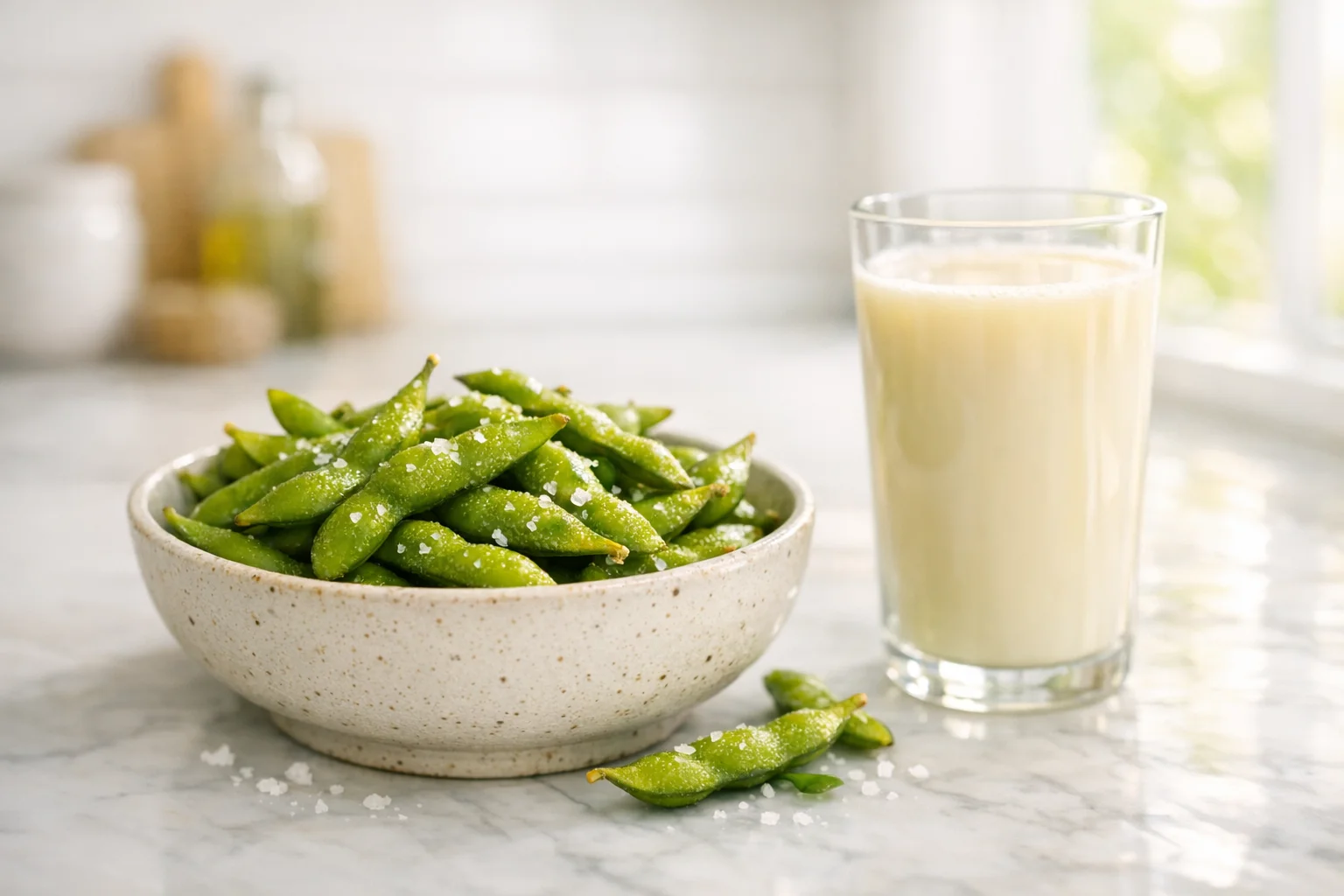
Soy and Breast Cancer: The Evidence May Surprise You
Perhaps the most persistent fear about soy is its alleged connection to breast cancer. Because breast cancer growth can be driven by estrogen, and because phytoestrogens have “estrogen” in the name, many people assume soy must increase breast cancer risk. The research tells a remarkably different story.
Soy and Breast Cancer Prevention
A large-scale prospective study of 300,000 Chinese women with a dose-response meta-analysis found that higher soy intake was associated with a reduced risk of breast cancer. This finding has been replicated across multiple Asian population studies where soy consumption is a lifelong dietary pattern.
A 2022 meta-analysis on soy isoflavones and breast cancer risk confirmed the protective association, finding that soy food consumption — particularly when started early in life — was associated with lower breast cancer incidence.
Soy and Breast Cancer Survivors
What about women who have already been diagnosed with breast cancer, including estrogen receptor-positive (ER+) breast cancer? Multiple studies have now shown that moderate soy consumption is safe for breast cancer survivors and may actually improve outcomes. The American Cancer Society, the American Institute for Cancer Research, and the World Cancer Research Fund all state that soy foods are safe for breast cancer survivors.
The key mechanism appears to be that isoflavones compete with stronger human estrogen at the receptor level. By occupying ERβ receptors with weak estrogenic activity, they effectively reduce the overall estrogenic stimulation of breast tissue — acting more like an estrogen blocker than an estrogen booster.
Research and Statistics: What the Numbers Show
The volume of research on soy and health is substantial. An umbrella review of systematic reviews and meta-analyses published in 2019 examined the totality of evidence on soy and isoflavone consumption across multiple health outcomes. Key findings include:
- Cardiovascular health: Soy protein consumption is associated with modest reductions in total cholesterol, LDL cholesterol, and triglycerides. The FDA authorized a health claim for soy protein and heart disease risk reduction (though this has been under review).
- Bone health: Isoflavone intake may help preserve bone mineral density in postmenopausal women, with some studies showing reduced fracture risk.
- Menopausal symptoms: Soy isoflavones can reduce hot flash frequency and severity. A randomized trial found a 79% reduction in moderate-to-severe hot flashes with a low-fat vegan diet rich in soy.
- Prostate cancer: Higher soy intake is associated with a 26-30% reduction in prostate cancer risk in multiple meta-analyses.
- Type 2 diabetes: Soy food consumption is associated with improved glycemic control and reduced diabetes risk.
Asian populations that consume 1-3 servings of soy daily have lower rates of breast cancer, prostate cancer, cardiovascular disease, and osteoporosis compared to Western populations. While diet is only one factor among many, the safety and potential benefits of soy are well-established across cultures that have consumed it for thousands of years.
What Plant-Based Doctors Say About Soy and Phytoestrogens
Dr. Michael Greger
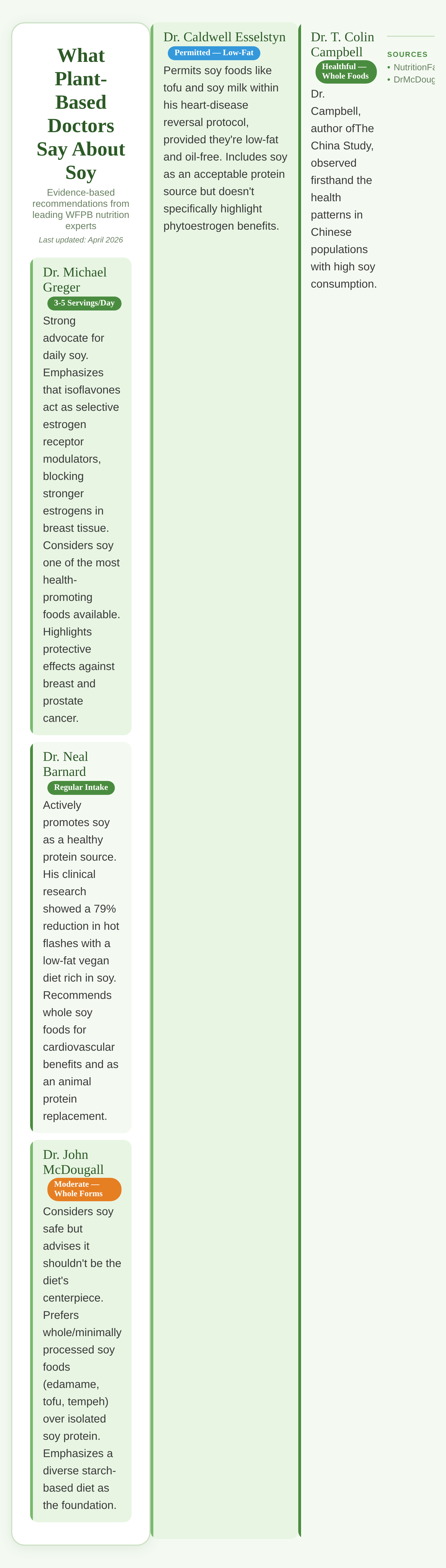
Dr. Greger is one of the most vocal advocates for soy consumption, dedicating dozens of videos on NutritionFacts.org to dismantling soy myths. He emphasizes that soy isoflavones act as selective estrogen receptor modulators, blocking stronger estrogens in breast tissue while providing weak estrogenic support where beneficial (such as bone health). He recommends 3-5 servings of soy foods daily and considers soy one of the most health-promoting foods available. Dr. Greger particularly highlights the research showing soy’s protective effects against breast and prostate cancer, and he notes that the fear of soy is largely driven by the dairy and meat industries, which view soy as a competitive threat. (NutritionFacts.org — Soy)
Dr. Neal Barnard
Dr. Barnard and the Physicians Committee for Responsible Medicine (PCRM) actively promote soy as a healthy protein source and have conducted clinical research demonstrating its benefits. His research on menopausal symptoms showed that a low-fat vegan diet rich in soybeans reduced hot flashes by 79% in a randomized trial. He recommends whole soy foods as part of a varied plant-based diet, particularly for their cardiovascular benefits and as a replacement for animal protein sources. Dr. Barnard frequently points out that concerns about soy are overblown and not supported by the clinical evidence. (PCRM — Soy and Health)
Dr. John McDougall
Dr. McDougall takes a nuanced position on soy. While he acknowledges that soy foods are safe and can be part of a healthy diet, he emphasizes that soy should not be the centerpiece of a plant-based diet. He’s cautious about highly processed soy products (isolated soy protein, soy protein isolate supplements) and soy isoflavone supplements, preferring whole and minimally processed soy foods like edamame, tofu, tempeh, and soy milk. His primary concern is that people may over-rely on soy as a protein source rather than eating a diverse starch-based diet. (DrMcDougall.com — Soy: Food, Wonderful Food)
Soy Foods: A Complete Guide to Types and Benefits
Not all soy products are created equal. Understanding the difference between whole soy foods and highly processed soy derivatives is important for making informed choices.
Use the Isoflavones in Plant Foods ranking tool to find the richest phytoestrogen sources, or the Compare Isoflavones tool to see how soy foods compare.
Whole and Minimally Processed Soy Foods (Best Choices)
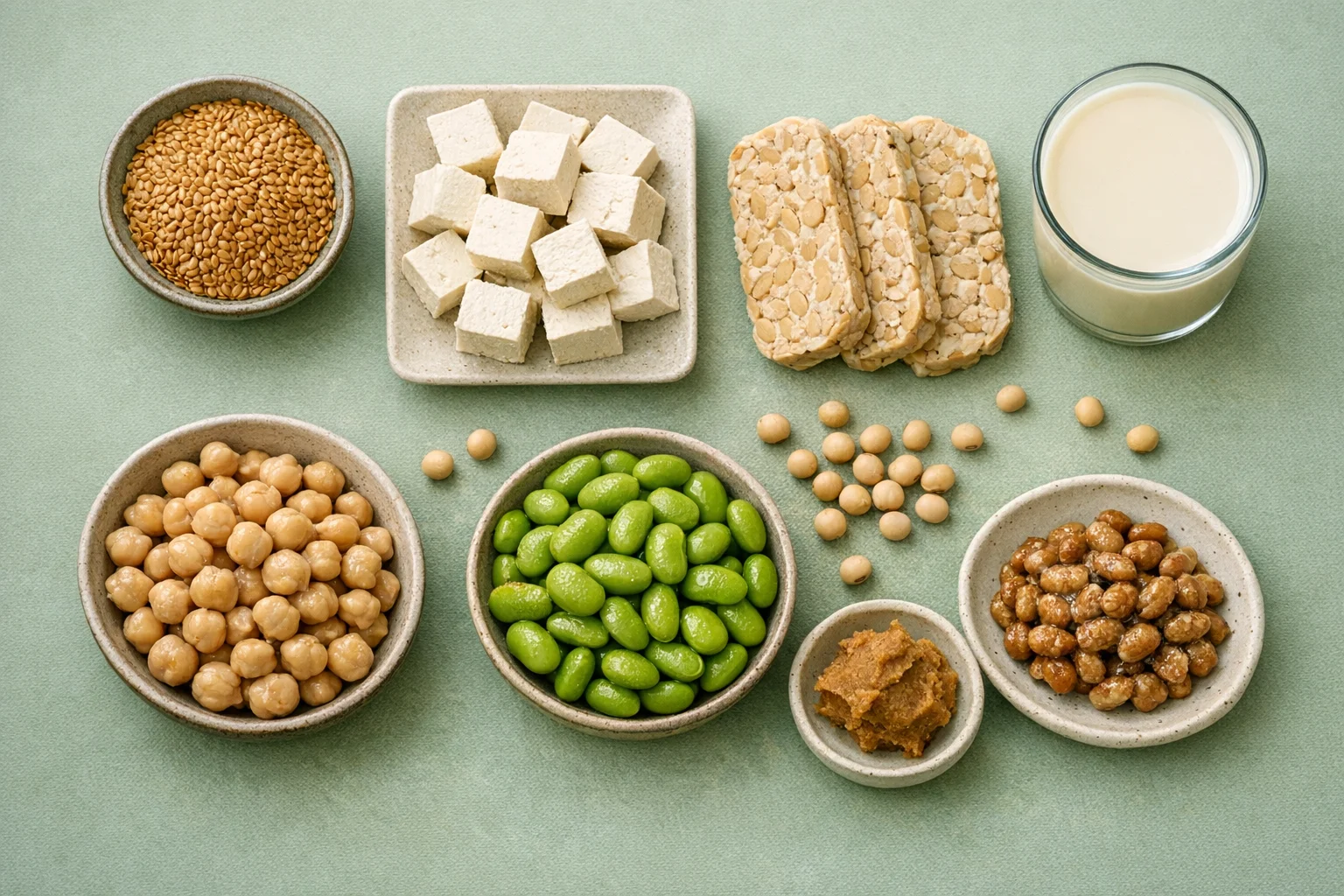
Edamame — Young soybeans in their pods, steamed or boiled. One cup provides about 18g of protein, 8g of fiber on a plant-based diet, and significant amounts of folate, vitamin K, and manganese. Isoflavone content: approximately 18mg per serving.
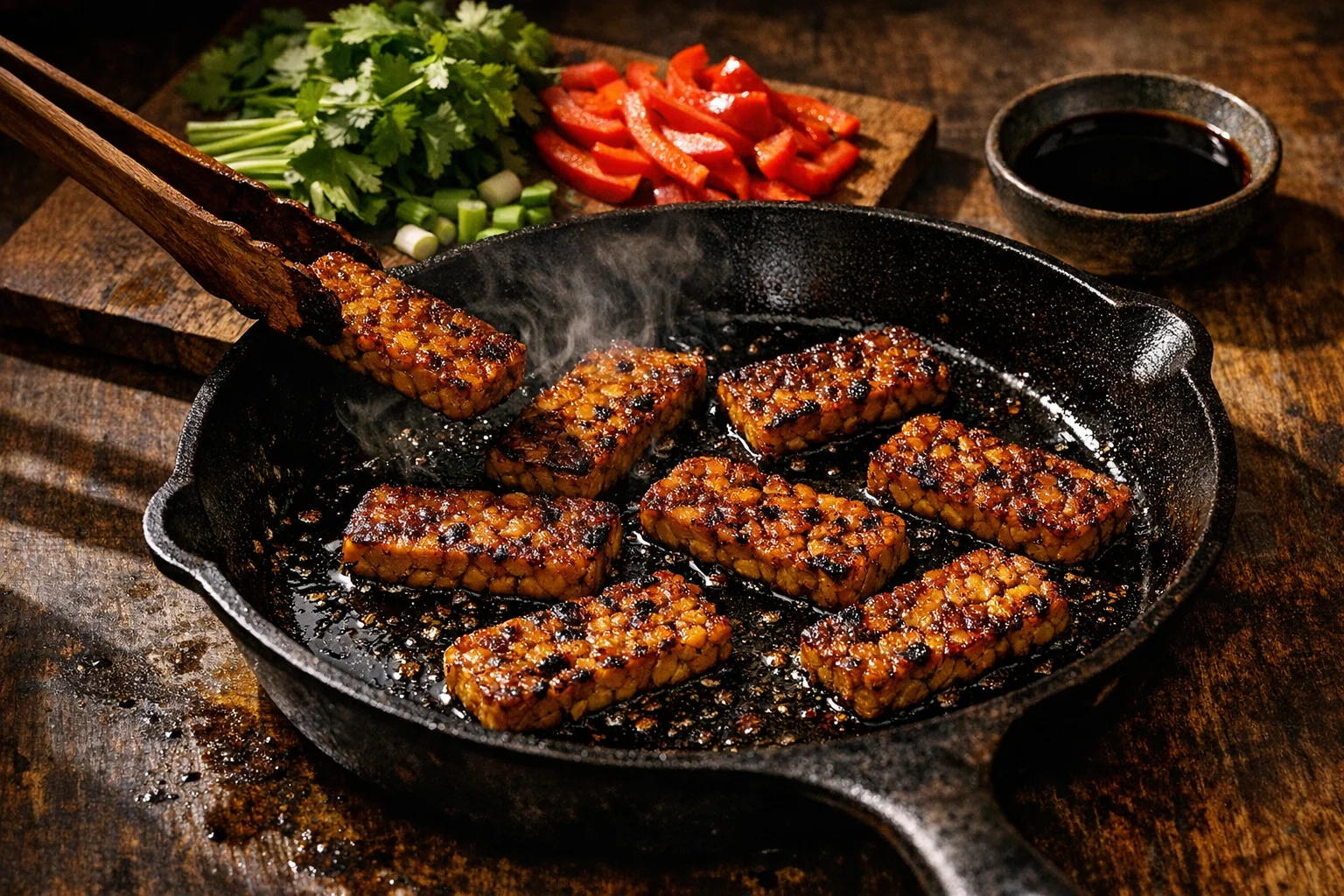
Tempeh — Fermented whole soybeans pressed into a firm cake. The fermentation process adds probiotic benefits and increases the bioavailability of nutrients. One cup provides about 31g of protein. Tempeh also contains vitamin B12 from the fermentation process (though amounts vary). Isoflavone content: approximately 51mg per serving.
Tofu (Bean Curd) — Made by coagulating soy milk and pressing the curds. Comes in silken, soft, firm, and extra-firm varieties. Firm tofu provides about 20g of protein per cup. calcium on a plant-based diet-set tofu is also an excellent calcium source. Isoflavone content: approximately 28mg per serving.
Soy Milk — Made from whole soybeans blended with water. Fortified soy milk provides calcium, vitamin D, and vitamin B12 comparable to cow’s milk but with no cholesterol and less saturated fat. One cup provides about 7g of protein. Isoflavone content: approximately 6mg per serving.
Miso — Fermented soybean paste used in Japanese cuisine. Rich in probiotics and umami flavor. Use in soups, dressings, and marinades. High in sodium, so use in moderation.
Natto — Fermented soybeans with a strong flavor and sticky texture. Extremely rich in vitamin K2 (MK-7 form) and a good source of protein. Popular in Japanese cuisine and increasingly available internationally.
Processed Soy (Use in Moderation)
Soy protein isolate, textured vegetable protein (TVP), and soy-based meat alternatives are more processed but still safe to consume. These products have lower isoflavone content than whole soy foods because much of it is removed during processing. They’re convenient options but shouldn’t replace whole soy foods as your primary soy source.
How Much Soy Is Safe? Daily Recommendations
Based on the research and the dietary patterns of healthy Asian populations, most plant-based nutrition experts recommend 1-3 servings of soy foods per day. A serving is roughly:
- 1 cup of soy milk
- ½ cup of tofu, tempeh, or edamame
- 1 tablespoon of miso
This provides approximately 25-75mg of isoflavones daily — well within the range consumed by populations with the strongest health outcomes. Traditional Japanese diets provide about 30-50mg of isoflavones per day, while some studies have used doses of 80-100mg without adverse effects.
There is no established upper limit for dietary soy intake from whole foods. However, concentrated isoflavone supplements in pill form (100mg+) are a different matter — these bypass normal digestion and deliver higher doses than you’d get from food. Most doctors recommend getting your isoflavones from whole soy foods rather than supplements unless specifically recommended by a healthcare provider.
Phytoestrogens Beyond Soy: Other Plant Sources
While soy gets the most attention, phytoestrogens are found throughout the plant kingdom. If soy isn’t your favorite food, you’re still likely consuming phytoestrogens from other sources:
Flaxseeds contain lignans, another type of phytoestrogen. Ground flaxseed is actually the richest dietary source of lignans — even higher in phytoestrogen content per serving than soy. Lignans have their own set of health benefits including reduced breast cancer risk.
Other legumes including chickpeas, lentils, and other beans contain smaller amounts of isoflavones. Red clover is particularly rich in isoflavones and is used in some menopausal supplements.
Whole grains, fruits, and vegetables contain various phytoestrogens in smaller amounts. Berries, nuts, seeds, and cruciferous vegetables all contribute to overall phytoestrogen intake.
The takeaway: phytoestrogens are a normal part of plant-based eating, not something to fear. Populations that consume the most phytoestrogens consistently show better health outcomes than those that consume the least.
Key Research References
- 2021 expanded meta-analysis: soy protein and isoflavone intake does not affect male reproductive hormones
- 2022 meta-analysis on soy isoflavones and breast cancer risk
- 2019 prospective study of 300,000 Chinese women on soy intake and breast cancer
- 2019 umbrella review of soy and isoflavone consumption across multiple health outcomes
- 2007 study on molecular aspects of phytoestrogen selective binding at estrogen receptors
Frequently Asked Questions About Soy and Phytoestrogens
Does eating soy increase estrogen levels in men or women?
No. Clinical studies consistently show that soy food consumption does not raise estrogen levels in men or women. Phytoestrogens are structurally different from human estrogen and are 100-1,000 times weaker. A 2021 meta-analysis of 41 clinical studies confirmed that soy does not affect testosterone, estradiol, or other sex hormones in men.
Is soy safe for breast cancer survivors?
Yes. The American Cancer Society, American Institute for Cancer Research, and World Cancer Research Fund all state that moderate soy food consumption is safe for breast cancer survivors, including those with estrogen receptor-positive (ER+) breast cancer. Research suggests soy isoflavones may actually block stronger estrogens from binding to breast tissue receptors.
Why do some people say soy is bad for males?
This misconception originated from rodent studies using unrealistic doses of isolated isoflavones and a few extreme case reports of men consuming 3+ liters of soy milk daily. Normal dietary soy intake (1-3 servings daily) has been studied extensively in men and shows no effects on testosterone, fertility, or breast tissue development.
Can soy cause gynecomastia (man boobs)?
Not at normal dietary levels. The handful of case reports in the literature all involved extreme soy consumption far beyond normal dietary patterns. Clinical trials studying typical soy intake have never reported gynecomastia as a side effect. The condition reversed in the reported cases once excessive consumption stopped.
What are the best soy foods to eat?
Whole and minimally processed soy foods provide the most benefits: edamame, tofu, tempeh, soy milk, miso, and natto. These retain their full isoflavone content along with protein, fiber, and other nutrients. Fermented soy foods like tempeh, miso, and natto offer additional probiotic benefits.
How much soy per day is recommended on a plant-based diet?
Most plant-based nutrition experts recommend 1-3 servings daily, which provides approximately 25-75mg of isoflavones. This aligns with traditional Asian dietary patterns associated with lower rates of breast cancer, prostate cancer, and heart disease. A serving is roughly 1 cup of soy milk, ½ cup of tofu or tempeh, or ½ cup of edamame.
Are phytoestrogens in soy the same as estrogen in birth control pills?
Absolutely not. Phytoestrogens and synthetic estrogens are completely different compounds. Phytoestrogens are plant-derived, 100-1,000 times weaker than human estrogen, and act as selective estrogen receptor modulators — meaning they can actually block estrogen in some tissues. women’s hormonal health on a plant-based diet contraceptives contain potent synthetic estrogen analogs designed to have strong hormonal effects.
Is soy bad for thyroid function?
For people with normal thyroid function and adequate iodine intake, soy consumption does not impair thyroid health. The concern about soy and thyroid is primarily relevant for people taking synthetic thyroid medication — soy can interfere with the absorption of levothyroxine, so it’s recommended to separate soy consumption from medication by at least 4 hours. If you have a thyroid condition, discuss soy intake with your healthcare provider.
Take the guesswork out of plant-based nutrition.
Explore our evidence-based guides on the nutrients that matter most.
Browse All Nutrient Guides