
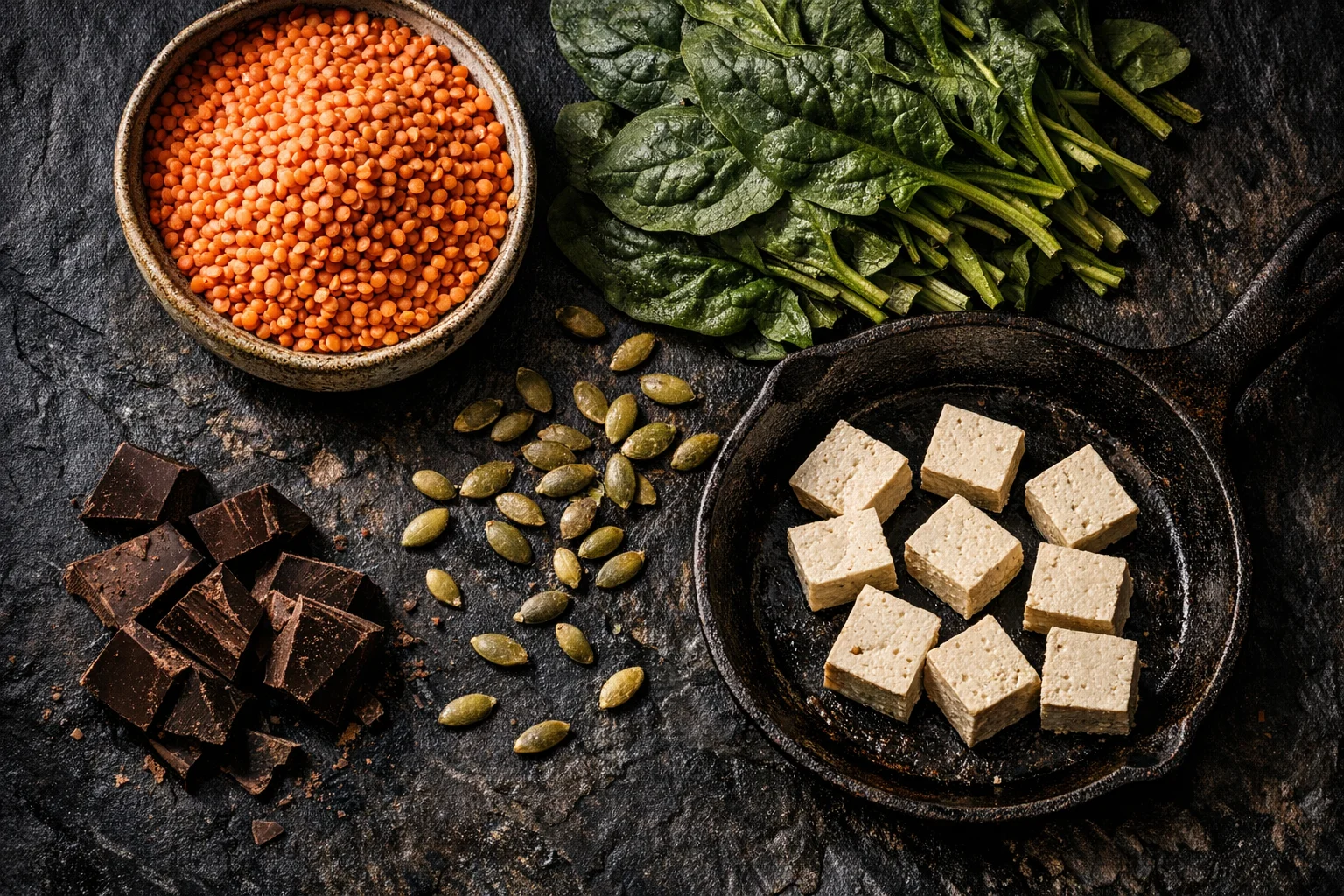
Iron is one of the most frequently raised concerns about plant-based diets — and one of the most misunderstood. The reality is that plant-based eaters typically consume more iron than omnivores, not less. The difference is in the type: non-heme iron from plants behaves differently in your body than heme iron from meat. Understanding this distinction is key to getting enough without overdoing it.
What Is Iron and Why Does It Matter?
Iron is an essential mineral that your body uses to make hemoglobin, the protein in red blood cells that carries oxygen from your lungs to every tissue. It also supports myoglobin, a similar protein in muscle cells that stores oxygen for energy metabolism. Iron is crucial for energy production at the cellular level — without adequate iron, mitochondria cannot produce ATP efficiently, leading to the fatigue characteristic of iron deficiency. Beyond these primary roles, iron supports immune function (iron is required for immune cell proliferation), cognitive performance (the brain requires significant iron for neurotransmitter synthesis), and the synthesis of DNA and neurotransmitters. Iron deficiency is the most common nutritional deficiency worldwide, affecting an estimated 1.6 billion people — but it’s important to note that this is primarily a global poverty and access issue, not a diet-type issue.
The irony — no pun intended — is that plant-based eaters actually consume more total iron than omnivores on average. A large study found vegans average 21.5 mg per day compared to 12.6 mg for omnivores. The difference lies in how the two types of iron are absorbed, which is where the nuance lives.
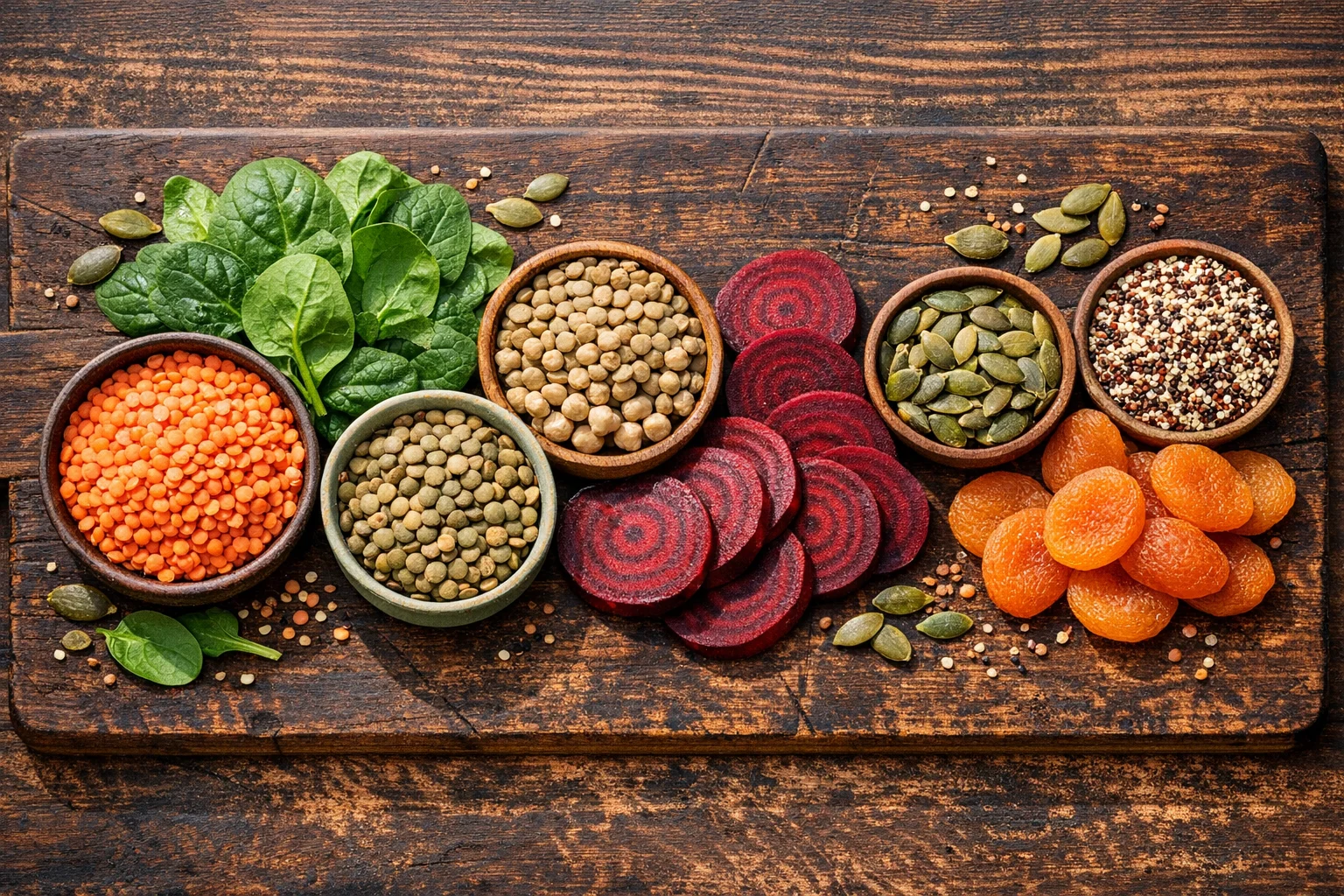
Heme vs. Non-Heme Iron: The Plant-Based Advantage
There are two forms of dietary iron: heme (from animal tissue) and non-heme (from plants and fortified foods). Heme iron is absorbed at a fixed rate of about 15-35% regardless of your body’s iron stores. Non-heme iron absorption ranges from 2-20% and is regulated by your body — when your stores are low, your gut absorbs more; when stores are adequate, absorption decreases.
This self-regulation is actually a safety feature, not a weakness. Iron overload is a real health risk — your body has no mechanism to excrete excess iron, so it accumulates in organs over time. Excess iron in the liver, heart, and joints drives oxidative damage through free radical formation (the Fenton reaction), leading to liver cirrhosis, heart arrhythmias, joint degeneration, and diabetes. This is why high iron stores are associated with increased cardiovascular mortality in long-term epidemiological studies. Heme iron bypasses the body’s protective absorption regulation entirely because it has a dedicated heme-iron transporter that doesn’t respond to iron status. This means heme iron continues to be absorbed at high rates even when your body is fully replete, accumulating in tissues. Research shows that high heme iron intake has been linked to a 57% increased risk of cardiovascular disease, increased type 2 diabetes risk (about 20% higher per red meat serving), and elevated oxidative stress markers including lipid peroxidation and inflammatory cytokines. A 2023 prospective cohort study found that among men with high iron stores, those consuming high amounts of heme iron had significantly higher rates of heart attack and stroke compared to those consuming plant-based non-heme iron.
Non-heme iron from plants provides an inherent safety mechanism that heme iron lacks. Your intestinal cells contain hepcidin-responsive transporters that reduce iron uptake when ferritin stores are adequate. This elegant regulatory system means plant-based eaters get what they need and their bodies discard what they don’t — a protection against both deficiency and overload. This is why some researchers argue that moderately lower iron stores in plant-based eaters may represent optimal rather than inadequate iron status, protecting against oxidative stress while maintaining sufficient reserves for oxygen transport.
How Common Is Iron Deficiency on a Plant-Based Diet?
The data consistently shows a more nuanced picture than headlines suggest. A 2021 analysis of 1,340 individuals found that while vegetarians have lower serum ferritin (iron stores) by about 30 µg/L on average, the prevalence of clinical iron-deficiency anemia is not significantly different between vegetarians and omnivores. Specifically, anemia rates were 0-5% in vegetarians across studies, compared to 0-4% in omnivores — essentially identical. This distinction between ferritin and hemoglobin is critical: ferritin represents stored iron reserves, while hemoglobin represents functional iron in red blood cells that carries oxygen. A person can have lower ferritin yet maintain perfectly adequate hemoglobin and be clinically fine.
A comprehensive review in the American Journal of Lifestyle Medicine confirmed this pattern across dozens of studies: lower iron stores but comparable anemia rates and no clinically significant differences in iron-related symptoms. The study also found that plant-based eaters with lower ferritin showed no increase in fatigue, weakness, or exercise intolerance compared to omnivores with higher ferritin. One analysis of female vegetarians found hemoglobin levels averaged 13.2 g/dL versus 13.5 g/dL in omnivores — a difference so small it’s clinically irrelevant, yet ferritin differed by an average of 25-30 µg/L.
Lower ferritin in plant-based eaters likely reflects the self-regulating nature of non-heme iron absorption: the body maintains enough for function but avoids excess that would drive oxidative damage. Some researchers argue that moderately lower iron stores may actually be protective against oxidative stress and chronic disease. A meta-analysis of 24 studies found that over 33% of female vegetarians had iron depletion (ferritin below 12 ng/ml), making regular testing important for this group, particularly those who menstruate heavily, are pregnant, or are elite endurance athletes. However, iron depletion doesn’t automatically lead to anemia — functional iron (hemoglobin) can remain adequate even with depleted stores. The key is regular monitoring to catch the transition from simple depletion to actual deficiency anemia, which occurs much less frequently in plant-based eaters than popular narratives suggest.
What Do Plant-Based Doctors Recommend for Iron?
The doctors are remarkably unified on iron: get it from food, pair it with vitamin C, and don’t supplement unless blood tests confirm you’re actually deficient. This is an important distinction from B12 and vitamin D, which most doctors recommend supplementing routinely. With iron, the concern runs in both directions — too little causes anemia, but too much drives oxidative damage and cardiovascular risk. The food-first approach naturally provides the right balance.
Dr. Michael Greger — Food Sources + Vitamin C
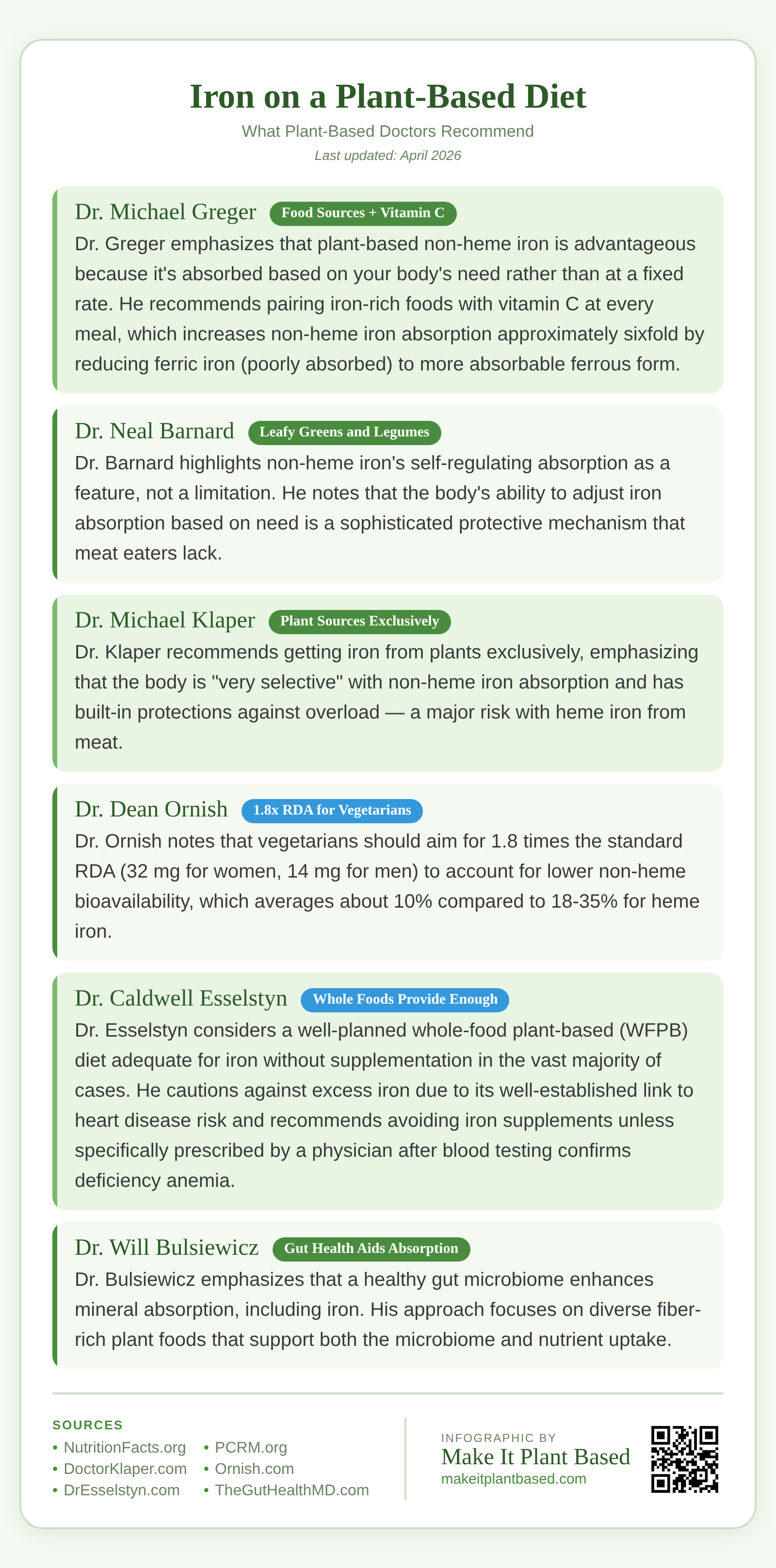
Dr. Greger emphasizes that plant-based non-heme iron is advantageous because it’s absorbed based on your body’s need rather than at a fixed rate. He recommends pairing iron-rich foods with vitamin C at every meal, which increases non-heme iron absorption approximately sixfold by reducing ferric iron (poorly absorbed) to more absorbable ferrous form. This conversion is mediated by the vitamin C reduction of iron, allowing the DMT1 transporter on intestinal cells to absorb iron efficiently. He notes that this strategy is more effective and safer than supplementation because the body retains control over total iron uptake. Dr. Greger cites evidence that combining just 75 mg of vitamin C with an iron-rich meal can increase absorption from 2% to over 10%, a dramatic enhancement. He considers iron-rich whole foods combined with vitamin C the optimal approach for plant-based eaters, as it provides both the mineral and the absorption enhancer in naturally balanced proportions.
Dr. Neal Barnard — Leafy Greens and Legumes
Dr. Barnard highlights non-heme iron’s self-regulating absorption as a feature, not a limitation. He notes that the body’s ability to adjust iron absorption based on need is a sophisticated protective mechanism that meat eaters lack. He recommends building iron intake around leafy greens, legumes, and whole grains as the foundation of plant-based eating, making iron adequacy automatic for those eating adequate calories. His dietary recommendations emphasize legumes (lentils, beans, chickpeas) as staple foods, with a serving at lunch and dinner providing 8-15 mg of iron daily. He does not include iron in his core supplement recommendations, relying instead on food-based iron combined with vitamin C from whole plant foods. He emphasizes the cardiovascular benefits of plant-based iron sources compared to heme iron from meat, noting that the epidemiological data on iron and heart disease risk is concerning for meat eaters but not for plant-based eaters despite higher total iron consumption.
Dr. Joel Fuhrman — Test and Supplement If Needed
Dr. Fuhrman recommends supplementing only when ferritin drops below 50 ng/ml combined with symptoms like unexplained fatigue or reduced exercise tolerance, using low-dose iron (18-25 mg elemental iron) taken with meals and vitamin C to boost absorption while reducing gastrointestinal side effects. He warns against indefinite supplementation, as excess iron can be toxic and is linked to cognitive decline, cardiovascular disease, and increased cancer risk through oxidative damage mechanisms. He emphasizes that testing should guide supplementation decisions — ferritin should be checked before starting supplements and rechecked every 6-8 weeks to adjust dosing and avoid iron accumulation. His approach is cautious about supplementation while acknowledging that some plant-based eaters, particularly menstruating women, may need temporary supplementation during periods of rapid iron loss or increased demands (pregnancy, endurance training). He notes that most plant-based eaters with good eating patterns maintain adequate functional iron (hemoglobin) without supplementation.
Dr. Michael Klaper — Plant Sources Exclusively
Dr. Klaper recommends getting iron from plants exclusively, emphasizing that the body is “very selective” with non-heme iron absorption and has built-in protections against overload — a major risk with heme iron from meat. He notes that the rate-limiting step in non-heme iron absorption occurs at the intestinal level, where DMT1 transporters and hepcidin regulation work together to prevent excessive absorption. He states that plant-based eaters who eat adequate calories with reasonable dietary diversity naturally get sufficient iron without supplementation, and that ferritin testing often shows lower stores simply because the body is operating at optimal rather than excessive levels. His decades of clinical experience with thousands of plant-based patients shows that iron deficiency is rare when people eat whole plant foods in adequate quantity and pair iron sources with vitamin C foods.
Dr. Dean Ornish — 1.8x RDA for Vegetarians
Dr. Ornish notes that vegetarians should aim for 1.8 times the standard RDA (32 mg for women, 14 mg for men) to account for lower non-heme bioavailability, which averages about 10% compared to 18-35% for heme iron. However, this can be substantially improved through preparation methods. He recommends soaking, sprouting, and fermenting beans and grains to reduce phytates and inhibitors that bind iron and reduce absorption. These preparation methods have been shown to boost absorption by 50-500% depending on the food and technique used — soaked beans can show up to 300% higher iron bioavailability compared to unsalted beans, while sprouted seeds can show even greater improvements. He notes that fermentation, as in sourdough bread, reduces phytates while also creating organic acids that enhance iron absorption. His approach integrates traditional food preparation wisdom with modern nutritional science to maximize the inherent iron in plant foods.
Ornish.com — Smart Approach to Vegetarian Diet
Dr. Caldwell Esselstyn — Whole Foods Provide Enough
Dr. Esselstyn considers a well-planned whole-food plant-based (WFPB) diet adequate for iron without supplementation in the vast majority of cases. He cautions against excess iron due to its well-established link to heart disease risk and recommends avoiding iron supplements unless specifically prescribed by a physician after blood testing confirms deficiency anemia. He points to epidemiological data showing that elevated iron stores are associated with increased cardiovascular disease, with ferritin levels above 200 ng/ml linked to significantly higher rates of heart attack and stroke. His clinical practice emphasizes that plant-based eaters eating adequate whole foods rarely develop iron deficiency, and when ferritin is lower, this represents the body operating at a safer, more optimal level. He notes that the body’s ability to down-regulate non-heme iron absorption provides a natural safety mechanism that omnivores lack.
DrEsselstyn.com — Plant-Based Nutrition
Dr. Will Bulsiewicz — Gut Health Aids Absorption
Dr. Bulsiewicz emphasizes that a healthy gut microbiome enhances mineral absorption, including iron. His approach focuses on diverse fiber-rich plant foods that support both the microbiome and nutrient uptake. He notes that a diverse gut microbiota may enhance iron bioavailability through several mechanisms: production of short-chain fatty acids that lower intestinal pH (enhancing iron solubility), regulation of hepcidin expression through metabolite signaling, and improved intestinal barrier function that prevents leaky gut. His dietary recommendations center on plant diversity — aiming for 30+ different plant foods weekly — which research shows correlates with superior microbiome composition and enhanced nutrient absorption including iron. He considers prebiotic foods (fiber-rich plants) and fermented foods (tempeh, miso, sauerkraut) as key components of an iron-adequate plant-based diet because they support the microbial communities that regulate iron metabolism.
Signs You May Not Be Getting Enough Iron
Iron deficiency develops in stages. Early depletion reduces your ferritin (stored iron) without obvious symptoms. As it progresses, you may notice unusual fatigue that persists despite adequate sleep, pale or yellowish skin, weakness disproportionate to activity level, cold hands and feet (due to reduced blood circulation), and reduced exercise tolerance or difficulty with activities previously easily accomplished. More advanced deficiency causes dizziness particularly when standing quickly, headaches (sometimes severe), brittle nails that split easily, restless legs syndrome (uncomfortable sensations in the legs at night), shortness of breath during exertion that’s inappropriate for the activity level, and sometimes unusual cravings for ice or non-food items like dirt or starch (pica).
Cognitive symptoms can also appear: difficulty concentrating, poor memory, reduced attention span, and difficulty learning new information. These cognitive effects occur because iron is essential for myelin formation (the insulation around nerve fibers) and neurotransmitter synthesis.
If you experience several of these, ask your doctor for a complete blood count and serum ferritin test. Ferritin below 30 ng/ml suggests depleted stores even without full-blown anemia. Menstruating women, pregnant women, and endurance athletes should test regularly regardless of symptoms. Symptoms typically appear only after ferritin drops significantly, so waiting for symptoms to occur can lead to prolonged deficiency — prevention through testing is more effective than waiting for clinical signs.
Iron-Rich Meal Planning
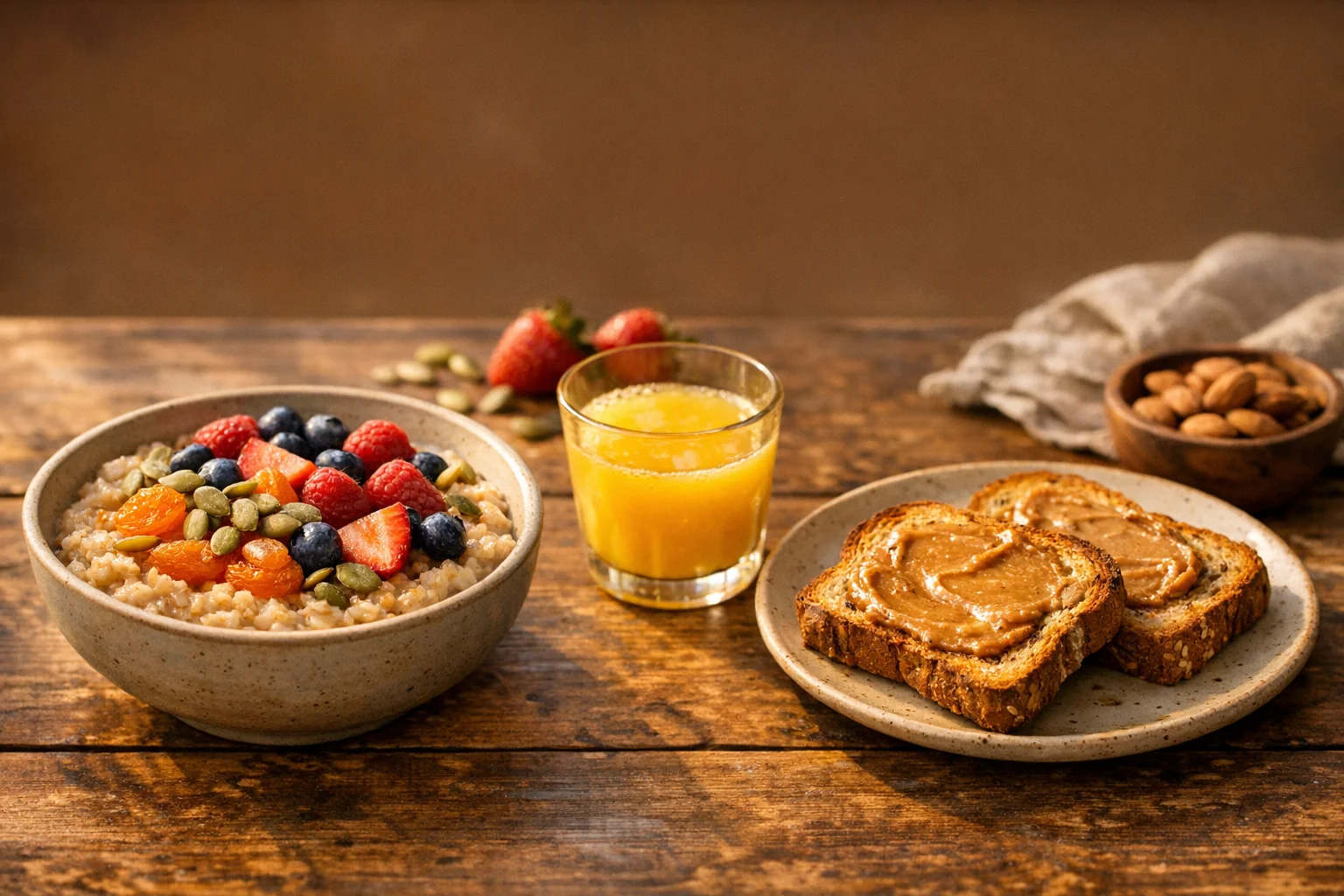
Breakfast options hitting 8-10mg of iron: A bowl of fortified oatmeal (4 mg per cup) topped with pumpkin seeds (2 mg per ounce), dried apricots (1.5 mg per 1/4 cup), and hemp seeds (2 mg per 2 tablespoons) provides 9.5 mg total. Add orange juice on the side (0.5 mg plus 75 mg vitamin C) for vitamin C to boost absorption of the non-heme iron sixfold. Alternatively, a smoothie with spinach (6.4 mg per cup cooked, or 1 mg per cup raw), banana (0.3 mg), tahini (2 mg per tablespoon), and fortified plant milk (1-2 mg) provides 6-8 mg with excellent vitamin C from strawberries (0.3 mg per berry, but rich in vitamin C at 7 mg per serving) added.
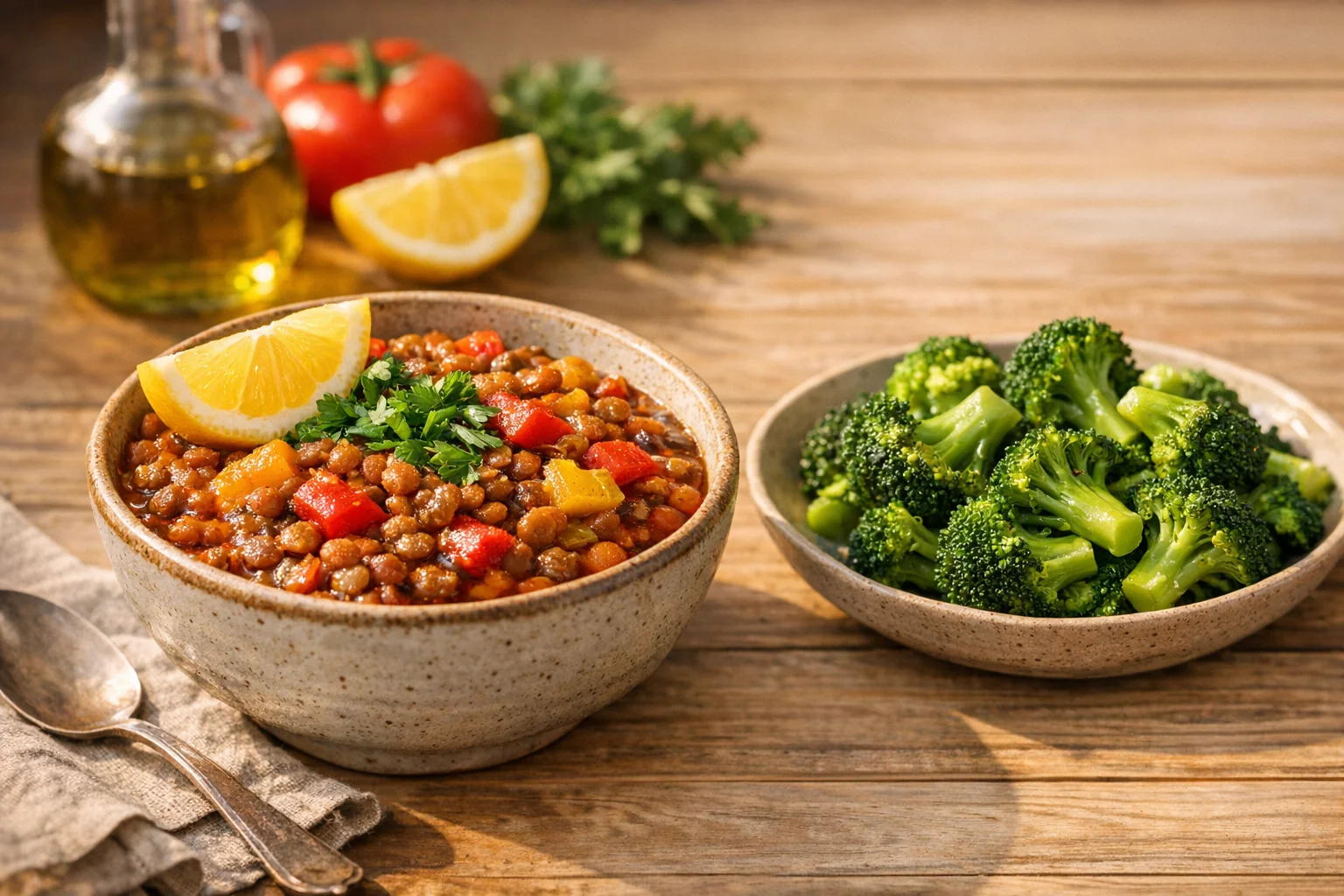
Lunch options hitting 12-15mg of iron: A lentil soup with one cup of cooked lentils (6.6 mg), paired with whole grain bread (2 mg per slice), bell peppers (0.5 mg per cup, but excellent vitamin C source at 95 mg), and tomato base (0.6 mg per cup plus 30 mg vitamin C) provides 12-15 mg total with built-in vitamin C from tomatoes that boosts absorption. Another option: a Buddha bowl with firm tofu (6.6 mg per 100g serving), quinoa (2.8 mg per cup cooked), chickpeas (4.7 mg per cup cooked), and roasted vegetables including spinach (6.4 mg per cup cooked) reaches 20 mg with multiple absorption enhancers present.
Dinner options hitting 15-18mg of iron: A chickpea curry with 1.5 cups cooked chickpeas (7 mg), served with brown rice (1.5 mg per cup), paired with a side salad including spinach (6.4 mg per cup) and tomato-based dressing (30 mg vitamin C) provides 14.9 mg. Add pumpkin seed garnish (2 mg per ounce) to reach 16.9 mg. Alternatively, a tofu stir-fry with firm tofu (6.6 mg per 100g), sesame seeds (4.2 mg per tablespoon), broccoli (1.2 mg per cup plus 135 mg vitamin C), and served over quinoa (2.8 mg per cup) reaches 14.8 mg with excellent vitamin C synergy from the broccoli dramatically enhancing absorption.
Snack options: A handful of pumpkin seeds (4.2 mg per ounce), dark chocolate with almonds (3-4 mg per ounce of chocolate plus 0.5 mg per ounce almonds), or hummus with whole grain crackers and bell peppers (3-5 mg total) provides iron-rich snacking options to reach daily targets. Cashews provide 6.2 mg per quarter cup, and dried figs provide 1.5 mg per three figs.
When to Test and What to Look For
Three key blood tests assess iron status: serum ferritin (measures stored iron), serum iron (measures iron circulating in blood), and transferrin saturation (percentage of iron-binding capacity filled). Ferritin is the most clinically useful marker.
Ferritin levels: Below 20 ng/ml indicates depleted stores, 20-30 ng/ml is mild depletion, 30-100 ng/ml is normal healthy range, and above 200 ng/ml may indicate excess. For plant-based eaters, a ferritin level of 30-50 ng/ml is considered optimal — sufficient for health but without excess iron’s oxidative risks. Some research suggests that ferritin below 100 ng/ml may be protective against cardiovascular disease, particularly in older adults, though iron should still be adequate for oxygen transport and energy metabolism.
Hemoglobin and hematocrit: Hemoglobin below 12 g/dL in women or 13.5 g/dL in men indicates anemia. Hematocrit (percentage of blood that is red blood cells) below 36% in women or 41% in men indicates reduced oxygen-carrying capacity. These functional tests are more clinically significant than ferritin because they reflect whether iron is actually being used for oxygen transport, not just stored.
Transferrin saturation: Healthy range is 25-35%. Values below 20% suggest depleted stores, while above 45% indicate iron overload risk. This test measures the percentage of transferrin (the iron transport protein) that is saturated with iron, providing insight into iron availability for use by tissues.
When to test: Menstruating women should test annually given blood loss during periods, ideally just before menstruation when iron stores are most depleted. Pregnant women should test at each trimester as iron demands increase dramatically (typically from 18 mg to 27 mg daily). Non-menstruating individuals can test every 2-3 years as baseline. If supplementing iron, retest after 6-8 weeks to ensure the dose is working and adjust accordingly. Endurance athletes should test before and after training seasons when iron losses increase through sweat.
When to supplement: Supplementation is recommended if ferritin falls below 30 ng/ml AND you have deficiency symptoms (fatigue, weakness, reduced exercise tolerance). Ferritin of 30-50 ng/ml with symptoms may warrant supplementation. Supplemental iron should be taken with vitamin C (citrus, tomato, bell pepper) to maximize absorption, and separated from calcium supplements and coffee/tea which inhibit absorption by up to 60%. Iron supplements can cause constipation — eating high-fiber foods and staying hydrated helps. Discontinue supplementation once levels normalize (typically after 3-4 months), retesting regularly to ensure relapse doesn’t occur.
How to Get Enough Iron on a Plant-Based Diet
Top plant iron sources: Lentils (6.6 mg per cup cooked), chickpeas (4.7 mg per cup cooked), firm tofu (6.6 mg per 100g/half block), pumpkin seeds (4.2 mg per ounce), spinach (6.4 mg per cup cooked), quinoa (2.8 mg per cup cooked), dark chocolate (3.4 mg per ounce), fortified cereals (up to 18 mg per serving), blackstrap molasses (3.6 mg per tablespoon), tahini (2 mg per tablespoon), and hemp seeds (2 mg per 2 tablespoons). The RDA is 18 mg for premenopausal women and 8 mg for men and postmenopausal women. Plant-based eaters should aim for 1.8x the RDA (32.4 mg for women, 14.4 mg for men) to account for non-heme iron’s lower bioavailability of about 10% on average.
Boost absorption with vitamin C: Add vitamin C at every iron-rich meal — a squeeze of lemon on lentils, bell peppers in a stir-fry, or strawberries with fortified cereal. A 2024 clinical trial confirmed that approximately 50 mg vitamin C per meal significantly enhances non-heme iron absorption. Even 25 mg of vitamin C from one small orange can increase absorption 3-4 fold by chemically reducing iron to its more absorbable form. Specific pairing examples: lentil soup with tomato sauce (50 mg vitamin C per cup increases absorption sixfold), spinach salad with lemon dressing (25 mg vitamin C from juice), tofu stir-fry with bell peppers and broccoli (100+ mg vitamin C dramatically enhances bioavailability), chickpea curry with tomato base and lime squeeze. One cup of orange juice (85 mg vitamin C) consumed with an iron-rich meal can increase iron absorption from roughly 2% to over 15% — more than a sevenfold increase. Black currants (170 mg C per cup), kiwis (64 mg per fruit), and citrus fruits provide particularly robust absorption enhancement.
Reduce inhibitors: Avoid coffee and tea within an hour of iron-rich meals — the tannins and polyphenols in these beverages can reduce iron absorption by up to 60% by binding iron and forming insoluble complexes. Soak beans and grains overnight to reduce phytates, which also bind iron and reduce absorption. Fermenting (as in sourdough bread) and sprouting have the same effect, sometimes increasing bioavailability by 50% or more through enzymatic reduction of anti-nutrient compounds. Cook in cast iron cookware — studies show it can add measurable iron to food, especially when preparing acidic dishes like tomato sauce. The citric acid in tomatoes dissolves iron from the cookware surface, transferring up to 1-2 mg of additional iron per serving into the food, particularly notable when using older cast iron that has higher iron content from years of use.
Frequently Asked Questions
Do vegans get enough iron?
Studies show vegans typically consume more total iron than omnivores — about 21.5 mg daily versus 12.6 mg for meat eaters. While serum ferritin (iron stores) tends to be lower, clinical iron-deficiency anemia rates are comparable between vegans and omnivores — both are typically 0-5% depending on gender and menstrual status. Menstruating women should monitor levels regularly regardless of diet type, as iron losses during menstruation affect both plant-based and omnivorous individuals similarly.
Should I take an iron supplement on a plant-based diet?
Not routinely. Most plant-based doctors recommend against iron supplements unless blood tests show deficiency (ferritin below 30-50 ng/ml combined with symptoms like unusual fatigue). Excess iron is harmful and the body cannot excrete it, accumulating in organs where it drives oxidative damage linked to heart disease and cancer. Focus on iron-rich foods paired with vitamin C instead, which provides adequate iron with built-in safety mechanisms that prevent overload.
What is the best plant-based source of iron?
Lentils and firm tofu top the list at about 6.6 mg per serving. Spinach, chickpeas, pumpkin seeds, and quinoa are also excellent sources. Pair any of these with vitamin C for dramatically improved absorption — up to sixfold increase in bioavailability. The best “source” is actually the combination of iron-rich plant foods consumed throughout the day, each paired with vitamin C at the same meal.
Does cooking in cast iron really add iron to food?
Yes. Studies show cooking acidic foods (like tomato sauce) in cast iron can increase the iron content of the food significantly, particularly when the cookware is newer and the food is simmered for longer periods. The citric acid in tomatoes dissolves small amounts of iron from the cookware surface into the food, potentially adding 1-2 mg per serving. This effect is most pronounced with acidic dishes and can contribute meaningfully to daily iron intake, particularly for those eating cast-iron cooked meals regularly.
Take the guesswork out of plant-based nutrition.
Explore our evidence-based guides on the nutrients that matter most.
Browse All Nutrient Guides