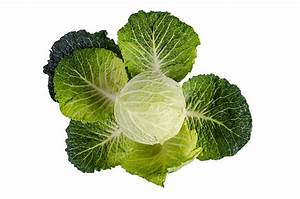
| Carbohydrates | 8.75 g |
| Proteins | 4.28 g |
| Fats | 0.93 g |
| Carbohydrate | 3.57 |
| Protein | 2.44 |
| Fat | 8.37 |
| Carbohydrate | 31.24 kcal |
| Protein | 10.44 kcal |
| Fat | 7.78 kcal |
| Fiber | 3.6 g |
| Sugars | 2.26 g |
| Starch | - g |
| Histidine | - g |
| Isoleucine | - g |
| Leucine | - g |
| Lysine | - g |
| Methionine | - g |
| Phenylalanine | - g |
| Treonine | - g |
| Tryptophan | - g |
| Valine | - g |
| Total polyunsaturated | 0.338 g |
| Omega 3 (n-3) | 0.18 g |
| Omega 6 (n-6) | 0.138 g |
| Total monounsaturated | 0.052 g |
| Total saturated | 0.091 g |
| Total trans | - g |
| Cholesterol | 0 mg |
| Vitamin C | 120 mg |
| Folate, total | 141 µg |
| Folate, DFE | 141 µg |
| Vitamin B-1 (Thiamin) | 0.11 mg |
| Vitamin B-2 (Riboflavin) | 0.13 mg |
| Vitamin B-3 (Niacin) | 1 mg |
| Vitamin B-5 (Pantothenic acid) | 0.091 mg |
| Vitamin B-6 | 0.271 mg |
| Vitamin B-12 (Cobalamin) | 0 µg |
| Vitamin A | 9990 IU |
| Vitamin E | 1.54 mg |
| Vitamin D | 0 IU |
| Vitamin K | 704.8 µg |
| Calcium, Ca | 150 mg |
| Magnesium, Mg | 47 mg |
| Phosphorus, P | 92 mg |
| Iron, Fe | 1.47 mg |
| Potassium, K | 491 mg |
| Sodium, Na | 38 mg |
| Zinc, Zn | 0.56 mg |
| Copper, Cu | 1.499 mg |
| Selenium, Se | 0.9 µg |
| Manganese, Mn | 0.659 mg |
n-6 : n-3 ratio:
The red/green bar above represents how much omega 6 (in red) is present, versus omega 3 (in green). Idealy they should be in equal proportions 1:1, in other words half red and half green.
n-6 / n-3 proportion:
0.77*
* Lower is better
≤ 1 is best
≤ 4 is good
> 4 means too much omega 6, replace or combine with higher omega 3 ingredients to balance out.