Denis Burkitt
MD, FRS. Irish surgeon and researcher (1911 to 1993).
Denis Burkitt was an Irish surgeon who worked in Uganda from the 1940s to the 1960s and later joined the UK Medical Research Council. He described the childhood cancer now called Burkitt lymphoma, then spent the rest of his career on the role of fiber in Western diseases. He died in 1993.
Best known for
The dietary fiber hypothesis: rural Africans eating high-fiber diets rarely had diseases common in Britain, such as bowel cancer, diverticular disease, appendicitis and heart disease, and he proposed the missing fiber as a shared cause.
Approach
An observer rather than a diet campaigner: he compared stool weight and how long food took to pass through the gut in different populations, and argued that refined Western diets low in fiber sat behind a whole cluster of diseases. He urged people to eat more whole grains, beans, vegetables and fruit.
Main talking points
- Diseases that appear together in a population may share one cause.
- Refined Western diets low in fiber are tied to bowel disease and more.
- Rural Ugandans passed far heavier stools, far faster, than people in Britain.
- His shorthand: small stools mean big hospitals, big stools mean small hospitals.
Books
 Western Diseases: Their Emergence and Prevention
 Don't Forget Fibre in Your Diet
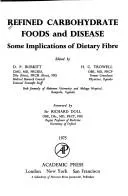 Refined Carbohydrate Foods and Disease
Sources
- Denis Parsons Burkitt, Wikipedia
- Burkitt, Walker and Painter 1974, Dietary fiber and disease, JAMA (PubMed)
A short profile in our own words, for education only; it reports what Denis Burkitt teaches and is not medical advice. Last checked 2026-10-10. How we make this site